THE ADVENTURE COLLECTIVE® · Independent discovery and booking for outdoor travel

Explore a compact sweep of Silla history on a 10‑hour loop from Daegu—Bulguksa’s temple halls, the Daereungwon royal mounds, hanok lanes and a luminous night view at Wolji Pond. This guide covers what you’ll see and how to prepare.
Explore a compact sweep of Silla history on a 10‑hour loop from Daegu—Bulguksa’s temple halls, the Daereungwon royal mounds, hanok lanes and a luminous night view at Wolji Pond. This guide covers what you’ll see and how to prepare.
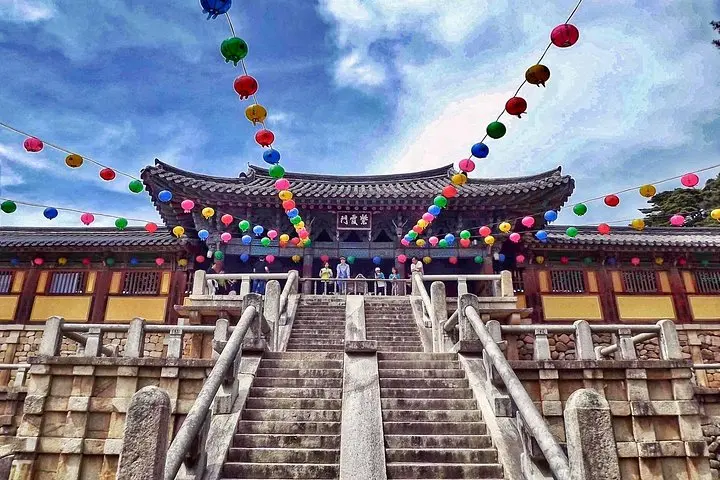
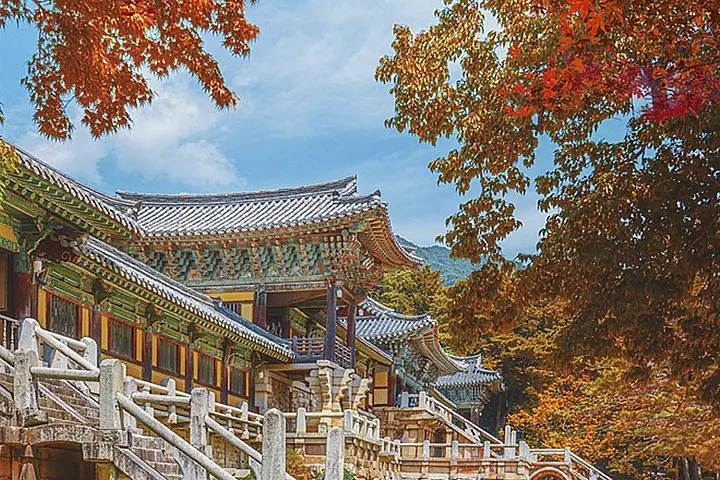
You step off the coach into a city that keeps walking history within easy reach: morning light filters through cedar eaves at Bulguksa Temple while later, low stone mounds of the Daereungwon Tomb Complex rise like sleeping kings in a grassy plain.
Verified experiences and guided adventures in the surrounding area.
Operated by Lecirt · Gyeongju, North Gyeongsang
You step off the coach into a city that keeps walking history within easy reach: morning light filters through cedar eaves at Bulguksa Temple while later, low stone mounds of the Daereungwon Tomb Complex rise like sleeping kings in a grassy plain.
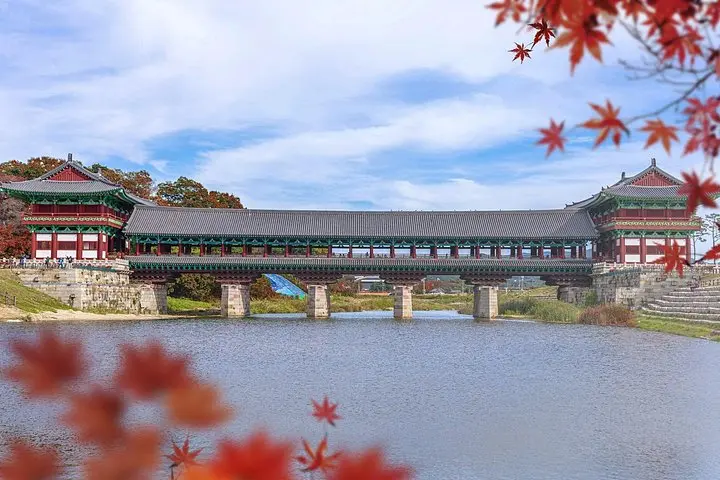
Gyeongju was the capital of Silla (57 BCE–935 CE), and the day’s route threads through the physical memory of that era: UNESCO-listed temples, restored palace ponds, and quiet hanok streets. The bedrock here is ancient marine sediment folded by Korea’s long geologic history, which gives the low hills their rounded profiles and the region its fertile plains.
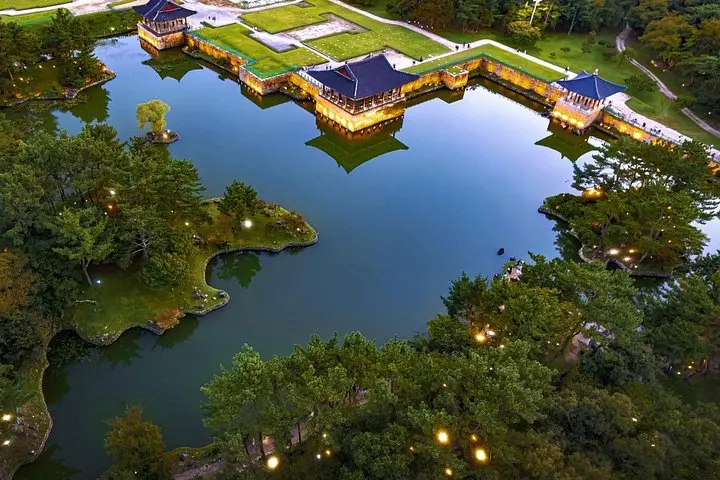
Culturally, expect formal temple architecture, Confucian academies, and modern cafes that crop up along Hwangridan-gil where 1960s facades meet contemporary life. Wolji Pond (Donggung Palace site) frames reconstructed pavilions that are especially striking after dusk when lights reanimate their reflections.
Practical guidance: the full-day itinerary runs about 10 hours with multiple short walks on paved paths and some steps at temple sites—wear supportive shoes and allow time for admission lines and photo stops. Public transport options exist but this tour typically includes round-trip transfers and a guide, easing navigation and language barriers. Bring a light rain layer in spring/fall, water for the bus, and small won bills for market snacks or shrine donations. For photographers, the best light is early at Bulguksa and at dusk by Wolji Pond—plan your battery and memory card strategy accordingly.
The tour lasts about 10 hours and typically includes round‑trip transfers from Daegu, a professional guide, and admission to listed attractions.
Most walking is on paved paths and short stairways; the tour is rated easy and suitable for a wide range of fitness levels.
Infants are allowed but must sit on an adult’s lap; check the operator’s policy and bring necessary supplies for a long day out.
Standard itineraries usually do not include meals—there are opportunities to buy lunch or snacks in town, so budget accordingly.
Lecirt operates guided outdoor trips and adventures with an emphasis on safety, stewardship, and memorable experiences.
You step off the coach into a city that keeps walking history within easy reach: morning light filters through cedar eaves at Bulguksa Temple while later, low stone mounds of the Daereungwon Tomb Complex rise like sleeping kings in a grassy plain.
You step off the coach into a city that keeps walking history within easy reach: morning light filters through cedar eaves at Bulguksa Temple while later, low stone mounds of the Daereungwon Tomb Complex rise like sleeping kings in a grassy plain.
Gyeongju was the capital of Silla (57 BCE–935 CE), and the day’s route threads through the physical memory of that era: UNESCO-listed temples, restored palace ponds, and quiet hanok streets. The bedrock here is ancient marine sediment folded by Korea’s long geologic history, which gives the low hills their rounded profiles and the region its fertile plains.
Culturally, expect formal temple architecture, Confucian academies, and modern cafes that crop up along Hwangridan-gil where 1960s facades meet contemporary life. Wolji Pond (Donggung Palace site) frames reconstructed pavilions that are especially striking after dusk when lights reanimate their reflections.
Practical guidance: the full-day itinerary runs about 10 hours with multiple short walks on paved paths and some steps at temple sites—wear supportive shoes and allow time for admission lines and photo stops. Public transport options exist but this tour typically includes round-trip transfers and a guide, easing navigation and language barriers. Bring a light rain layer in spring/fall, water for the bus, and small won bills for market snacks or shrine donations. For photographers, the best light is early at Bulguksa and at dusk by Wolji Pond—plan your battery and memory card strategy accordingly.