THE ADVENTURE COLLECTIVE® · Independent discovery and booking for outdoor travel

Ride the KTX from Seoul for a concentrated day among Silla-era temples, grotto sculpture, and tomb mounds. This seven‑hour tour covers Bulguksa, Seokguram, Cheomseongdae and the Gyeongju National Museum with round‑trip train fare included.
Ride the KTX from Seoul for a concentrated day among Silla-era temples, grotto sculpture, and tomb mounds. This seven‑hour tour covers Bulguksa, Seokguram, Cheomseongdae and the Gyeongju National Museum with round‑trip train fare included.
You feel the train glide out of Seoul before the rice paddies and low hills take over, a quick geography lesson unfolding through the window. Two hours later you step onto the Singyeongju platform and the air carries a different story: stone mounds, temple tiles, and an coastline wind that once watched over the Silla court.
Verified experiences and guided adventures in the surrounding area.
Operated by Kangsan Travel Service Co.,Ltd · Gyeongju, North Gyeongsang Province
You feel the train glide out of Seoul before the rice paddies and low hills take over, a quick geography lesson unfolding through the window. Two hours later you step onto the Singyeongju platform and the air carries a different story: stone mounds, temple tiles, and an coastline wind that once watched over the Silla court.
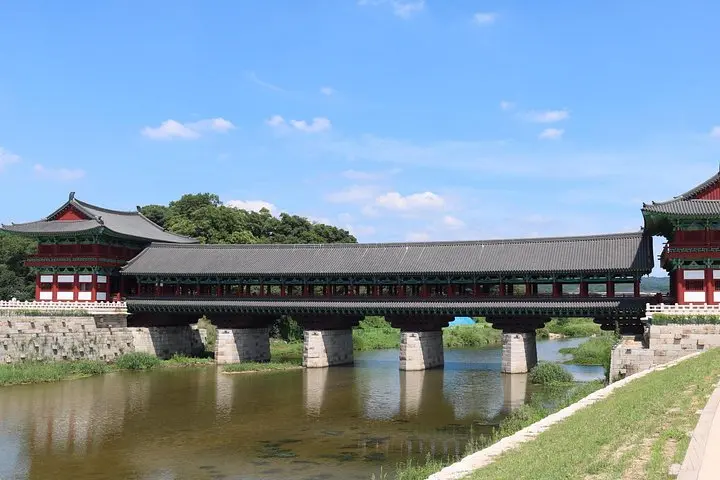
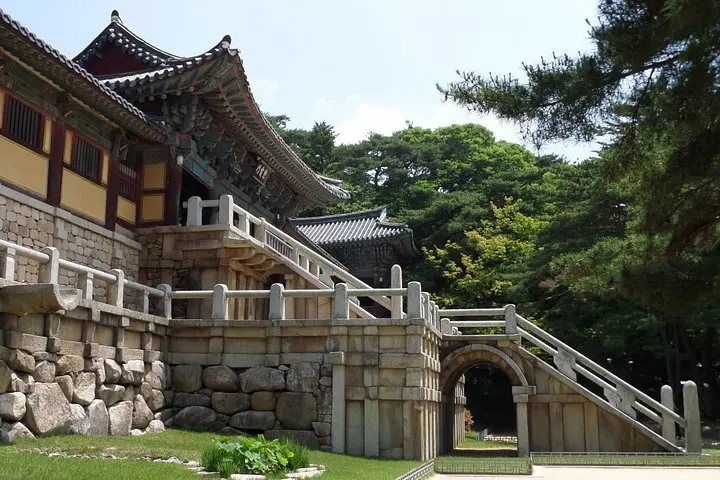
This full-day tour concentrates Gyeongju’s essentials: Bulguksa Temple’s timbered halls and national treasures, the Seokguram Grotto’s cliffside Buddha gazing toward the East Sea, the geometric mound fields of Daereungwon (including Cheonmachong), the scientific oddity of Cheomseongdae Observatory and the curated displays at Gyeongju National Museum. The area served as Silla Kingdom’s capital for nearly a millennium, leaving both monumental tombs and refined stonework.
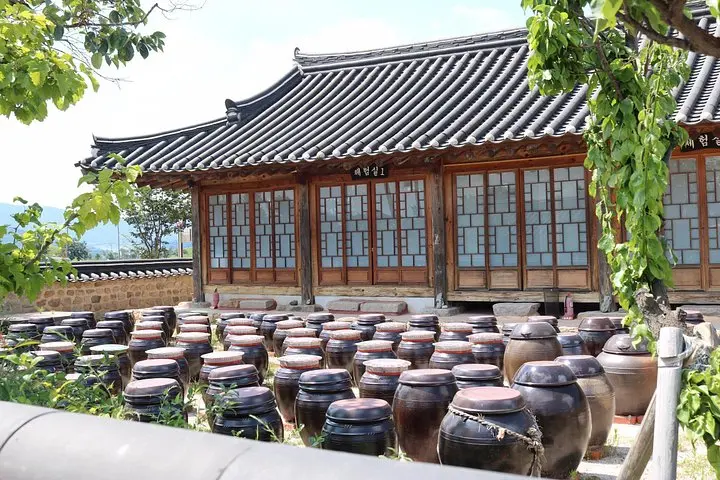
Geology here is subtle—granite outcrops and low basalt ridges shape temple courtyards and grotto façades; the grotto itself is hewn into a granite slope above the coast. Cultural rhythms remain: fishermen, farmers and festival-goers still thread modern life into ancient lanes in Gyochon Village.
Practical edge: the tour runs about seven hours round-trip and includes KTX tickets and bottled water; lunch is paid on-site. Expect moderate walking on uneven stone and temple steps—comfortable, broken-in shoes and a lightweight rain layer pay dividends. Bring your passport for ID checks, a modest camera, and respect the no-flash rules in sacred spaces. Start early from Seoul to maximize daylight at the grotto and the tomb park.
Yes—the tour includes round‑trip KTX train tickets; the guide meets passengers at Singyeongju station platform.
Lunch is not included; you pay on site and can choose from local restaurants or set menus offered near the sites.
Moderate—short walks between sites, staircases at temples and groomed paths at the tomb park; suitable for most fitness levels.
Transportation and some public areas are wheelchair accessible, but historic temple interiors and Seokguram’s approach have steps and uneven surfaces that may limit access.
Kangsan Travel Service Co.,Ltd operates guided outdoor trips and adventures with an emphasis on safety, stewardship, and memorable experiences.
You feel the train glide out of Seoul before the rice paddies and low hills take over, a quick geography lesson unfolding through the window. Two hours later you step onto the Singyeongju platform and the air carries a different story: stone mounds, temple tiles, and an coastline wind that once watched over the Silla court.
You feel the train glide out of Seoul before the rice paddies and low hills take over, a quick geography lesson unfolding through the window. Two hours later you step onto the Singyeongju platform and the air carries a different story: stone mounds, temple tiles, and an coastline wind that once watched over the Silla court.
This full-day tour concentrates Gyeongju’s essentials: Bulguksa Temple’s timbered halls and national treasures, the Seokguram Grotto’s cliffside Buddha gazing toward the East Sea, the geometric mound fields of Daereungwon (including Cheonmachong), the scientific oddity of Cheomseongdae Observatory and the curated displays at Gyeongju National Museum. The area served as Silla Kingdom’s capital for nearly a millennium, leaving both monumental tombs and refined stonework.
Geology here is subtle—granite outcrops and low basalt ridges shape temple courtyards and grotto façades; the grotto itself is hewn into a granite slope above the coast. Cultural rhythms remain: fishermen, farmers and festival-goers still thread modern life into ancient lanes in Gyochon Village.
Practical edge: the tour runs about seven hours round-trip and includes KTX tickets and bottled water; lunch is paid on-site. Expect moderate walking on uneven stone and temple steps—comfortable, broken-in shoes and a lightweight rain layer pay dividends. Bring your passport for ID checks, a modest camera, and respect the no-flash rules in sacred spaces. Start early from Seoul to maximize daylight at the grotto and the tomb park.