
Gyeongju UNESCO Sites by KTX: One-Day Museum Without Walls from Seoul
Travel by 300 km/h KTX from Seoul to spend a day among Gyeongju’s royal tumuli, Cheomseongdae observatory, Anapji Pond, and the Bulguksa–Seokguram UNESCO duo. This guided one-day tour blends archaeological highlights with practical logistics for a full cultural day-trip.
An Adventure In Gyeongju.
Travel by 300 km/h KTX from Seoul to spend a day among Gyeongju’s royal tumuli, Cheomseongdae observatory, Anapji Pond, and the Bulguksa–Seokguram UNESCO duo. This guided one-day tour blends archaeological highlights with practical logistics for a full cultural day-trip.
Read the full experience
You step off a 300 km/h KTX train and the noise of Seoul fades into a low, historical hum—the fields and low hills around Gyeongju seem to keep their own time. In one long day the city unfolds: grassy burial mounds rise like low hills, a stone observatory squints at the same stars court astronomers read centuries ago, and a restored pond mirrors pavilions where kings once dined.
You step off a 300 km/h KTX train and the noise of Seoul fades into a low, historical hum—the fields and low hills around Gyeongju seem to keep their own time. In one long day the city unfolds: grassy burial mounds rise like low hills, a stone observatory squints at the same stars court astronomers read centuries ago, and a restored pond mirrors pavilions where kings once dined.
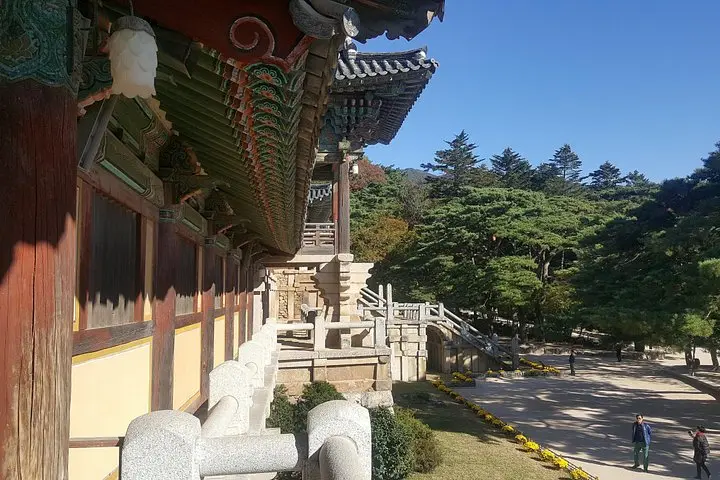
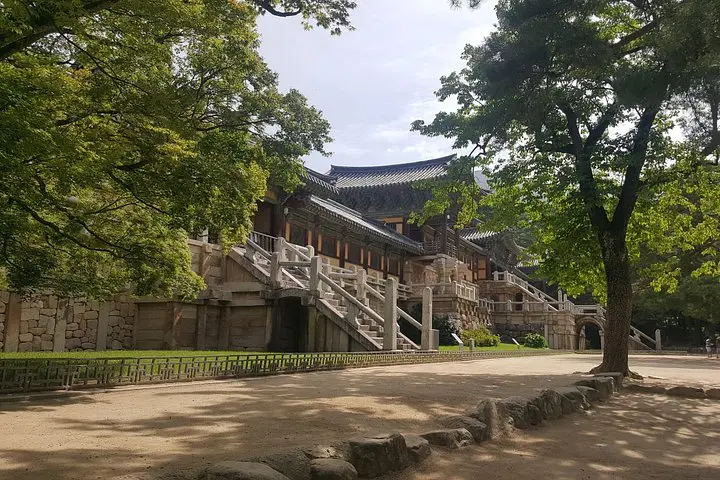
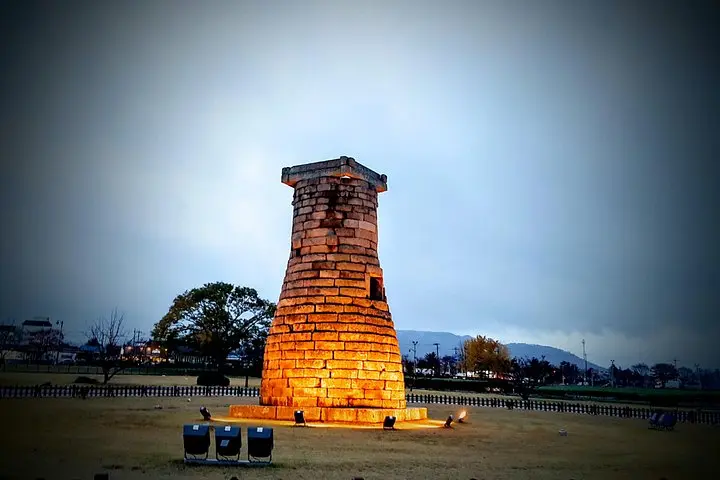
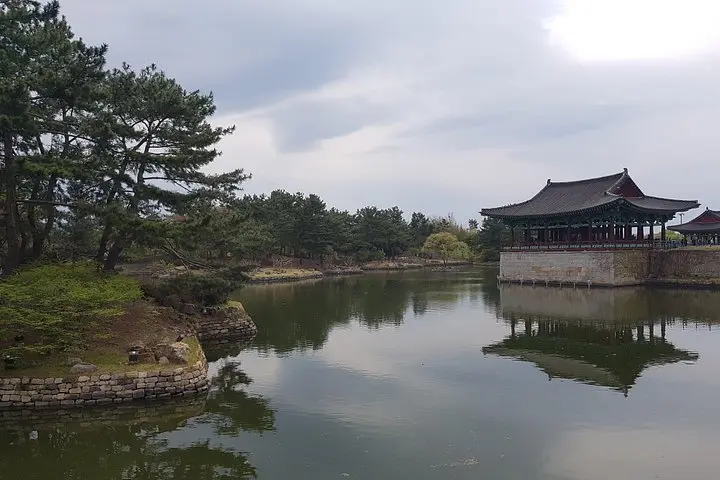
Gyeongju was the capital of Silla (57 BCE–935 CE), and the itinerary is a compact survey of that legacy. Begin at the Daereungwon tumuli where earthen mounds conceal timber-lined chambers and the artifacts inside narrate royal life; move to the Gyeongju National Museum to see the 5th-century gold crown and other excavated treasures; then Cheomseongdae, the 7th-century astronomical stone tower. Afternoon visits—Anapji Pond’s reconstructed palace gardens and the UNESCO-listed Bulguksa and Seokguram—connect religious art, stone pagodas, and a mountainside grotto that faces the East Sea from roughly 750 meters elevation.
The route is mostly paved or well-maintained paths, but expect short steep staircases at temples and a 1–2 km uphill walk to Seokguram. Practicalities: the tour typically includes KTX round-trip, admissions, and a local English guide; the day lasts about 8–9 hours with hotel pickup from Seoul. Bring layered clothing for coastal winds, refillable water, and modest attire for temple visits. Start early to avoid afternoon crowds and to see Seokguram’s sunrise or late light—history here doesn’t whisper; it watches you carefully.
Frequently asked questions
The KTX takes roughly two hours each way to Gyeongju, making the full day tour about 8–9 hours including site visits.
Yes—this tour typically covers all admission fees listed in the itinerary, including Bulguksa and Seokguram where applicable.
The tour is physically easy overall but includes stairs and uphill walks; it may be challenging for those with serious mobility limitations—contact the operator for specifics.
Some travelers aim for sunrise, but this tour’s schedule varies; check the itinerary and request early timing if sunrise views are a priority.
About This Experience
Tagytravelkorea operates guided outdoor trips and adventures with an emphasis on safety, stewardship, and memorable experiences.
Adventure tips
Recommended gear
- Comfortable walking shoes: Provides traction and support for paved paths, temple stairs, and uphill approach to Seokguram.
- Light rain jacket or wind layer: Spring and coastal winds can be cool; a compact shell keeps you comfortable.
- Refillable water bottle: Hydration on an 8–9 hour day is essential; water fountains are intermittent.
- Passport/ID and small cash: Required for train tickets/pickup and useful for local vendors or shrine donations.
Photos of the experience
Related adventures & guides
Read the full experience
You step off a 300 km/h KTX train and the noise of Seoul fades into a low, historical hum—the fields and low hills around Gyeongju seem to keep their own time. In one long day the city unfolds: grassy burial mounds rise like low hills, a stone observatory squints at the same stars court astronomers read centuries ago, and a restored pond mirrors pavilions where kings once dined.
You step off a 300 km/h KTX train and the noise of Seoul fades into a low, historical hum—the fields and low hills around Gyeongju seem to keep their own time. In one long day the city unfolds: grassy burial mounds rise like low hills, a stone observatory squints at the same stars court astronomers read centuries ago, and a restored pond mirrors pavilions where kings once dined.
Gyeongju was the capital of Silla (57 BCE–935 CE), and the itinerary is a compact survey of that legacy. Begin at the Daereungwon tumuli where earthen mounds conceal timber-lined chambers and the artifacts inside narrate royal life; move to the Gyeongju National Museum to see the 5th-century gold crown and other excavated treasures; then Cheomseongdae, the 7th-century astronomical stone tower. Afternoon visits—Anapji Pond’s reconstructed palace gardens and the UNESCO-listed Bulguksa and Seokguram—connect religious art, stone pagodas, and a mountainside grotto that faces the East Sea from roughly 750 meters elevation.
The route is mostly paved or well-maintained paths, but expect short steep staircases at temples and a 1–2 km uphill walk to Seokguram. Practicalities: the tour typically includes KTX round-trip, admissions, and a local English guide; the day lasts about 8–9 hours with hotel pickup from Seoul. Bring layered clothing for coastal winds, refillable water, and modest attire for temple visits. Start early to avoid afternoon crowds and to see Seokguram’s sunrise or late light—history here doesn’t whisper; it watches you carefully.
Make a day of it nearby.
Verified experiences and guided adventures in the surrounding area.