THE ADVENTURE COLLECTIVE® · Independent discovery and booking for outdoor travel

A focused two-day trek from Ha Giang that threads tea forests, Tay and Dao villages, and the rugged ridges of the Tay Con Linh range. Spend nights in a Xa Phin homestay, learn traditional tea-processing, and cover about 30 km of varied upland trails.
A focused two-day trek from Ha Giang that threads tea forests, Tay and Dao villages, and the rugged ridges of the Tay Con Linh range. Spend nights in a Xa Phin homestay, learn traditional tea-processing, and cover about 30 km of varied upland trails.
You step out before dawn into a cool whisper of mist that clings to tea bushes and the ridgelines of the Tay Con Linh range. A narrow trail threads between bamboo fences and small plots, locals already at work in the fields; the air smells of damp earth and drying tea leaves.
Verified experiences and guided adventures in the surrounding area.
Operated by Loka Ha Giang · Ha Giang, Ha Giang Province
You step out before dawn into a cool whisper of mist that clings to tea bushes and the ridgelines of the Tay Con Linh range. A narrow trail threads between bamboo fences and small plots, locals already at work in the fields; the air smells of damp earth and drying tea leaves.
This two-day trek travels roughly 30 km through territory long shaped by uplifted limestone, steep valleys and terraces carved by generations of Tay and Dao farmers. Ha Giang sits on the northern edge of Vietnam’s Dong Van karst landscape; here geology creates sudden cliffs, narrow passes and sheltered hollows where ancient tea forests survive. Culturally, the route centers on Xa Phin village and nearby Dao hamlets—places where traditional weaving, tea processing and seasonal festivals still define the calendar.
Expect mixed terrain: footpaths, stepped village lanes and forest tracks with short, steep pitches rather than long alpine ascents. Evenings are spent in a standard homestay in Xa Phin, where you may join tea-picking and basic processing demonstrations. Guides are local and practical; they move at a steady pace and orient you to customs and safe conduct.
Practical notes: plan for two full days on the trail, carry a daypack with rain protection and at least 2–3 liters of water, and bring cash for village purchases. Footwear with good grip and ankle support matters—mud and loose stones are common. Mornings and late afternoons offer the best light for views and village interaction; avoid midday heat during the monsoon season. Leave no trace and follow local guidance to support community-based tourism.
The itinerary covers roughly 30 km total over two days—expect about 10–18 km per day depending on route variations and village stops.
Accommodation is a standard homestay in Xa Phin village with basic private or shared rooms, simple meals, and local sanitation facilities.
No special permits are typically required for community treks in Ha Giang, but guides handle any local entrance fees or permissions as needed.
Not recommended for pregnant travelers or those with serious heart conditions; children capable of sustained walking may join with careful planning and slower pacing.
Loka Ha Giang operates guided outdoor trips and adventures with an emphasis on safety, stewardship, and memorable experiences.
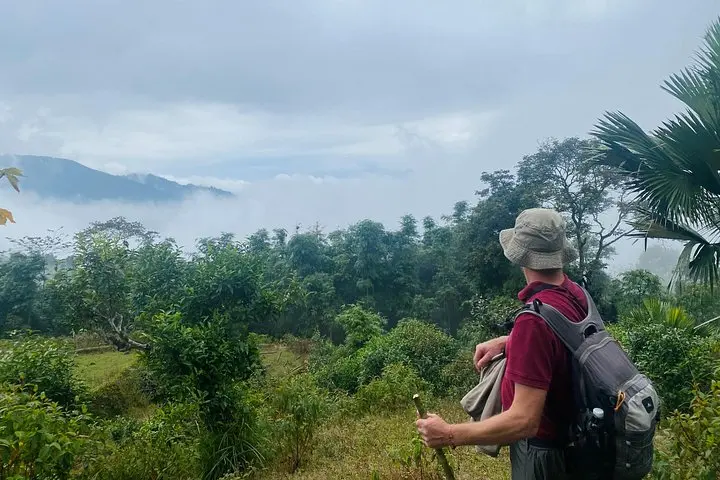
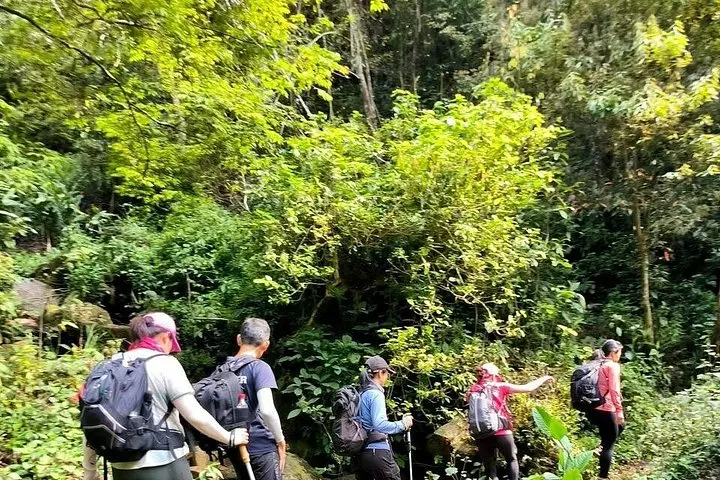
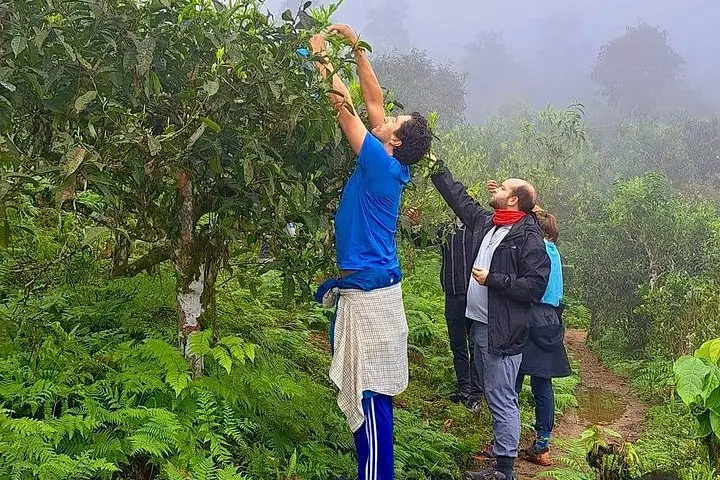
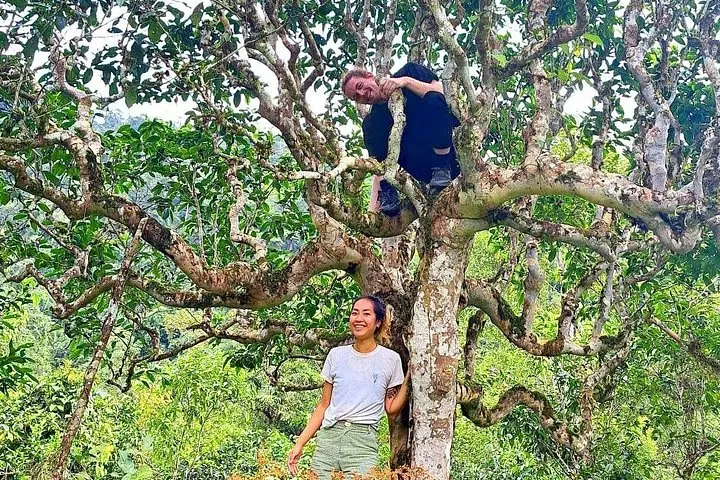
You step out before dawn into a cool whisper of mist that clings to tea bushes and the ridgelines of the Tay Con Linh range. A narrow trail threads between bamboo fences and small plots, locals already at work in the fields; the air smells of damp earth and drying tea leaves.
You step out before dawn into a cool whisper of mist that clings to tea bushes and the ridgelines of the Tay Con Linh range. A narrow trail threads between bamboo fences and small plots, locals already at work in the fields; the air smells of damp earth and drying tea leaves.
This two-day trek travels roughly 30 km through territory long shaped by uplifted limestone, steep valleys and terraces carved by generations of Tay and Dao farmers. Ha Giang sits on the northern edge of Vietnam’s Dong Van karst landscape; here geology creates sudden cliffs, narrow passes and sheltered hollows where ancient tea forests survive. Culturally, the route centers on Xa Phin village and nearby Dao hamlets—places where traditional weaving, tea processing and seasonal festivals still define the calendar.
Expect mixed terrain: footpaths, stepped village lanes and forest tracks with short, steep pitches rather than long alpine ascents. Evenings are spent in a standard homestay in Xa Phin, where you may join tea-picking and basic processing demonstrations. Guides are local and practical; they move at a steady pace and orient you to customs and safe conduct.
Practical notes: plan for two full days on the trail, carry a daypack with rain protection and at least 2–3 liters of water, and bring cash for village purchases. Footwear with good grip and ankle support matters—mud and loose stones are common. Mornings and late afternoons offer the best light for views and village interaction; avoid midday heat during the monsoon season. Leave no trace and follow local guidance to support community-based tourism.