THE ADVENTURE COLLECTIVE® · Independent discovery and booking for outdoor travel

Three days of cliff-edge passes, karst panoramas and Hmong highland culture — this Ha Giang loop packs Dong Van Geopark, Ma Pi Leng and Du Gia into a focused itinerary. Expect dramatic viewpoints, basic homestays and frequent photo stops.
Three days of cliff-edge passes, karst panoramas and Hmong highland culture — this Ha Giang loop packs Dong Van Geopark, Ma Pi Leng and Du Gia into a focused itinerary. Expect dramatic viewpoints, basic homestays and frequent photo stops.
The road opens like a film strip: two lanes of asphalt cut through limestone ribs, switchbacks folding upward until villages and terraced fields hang in the light. By dawn you’re leaving Hanoi’s flat green for a highland world where clouds tuck into river valleys and the wind pushes you along cliff-edge passes.
Verified experiences and guided adventures in the surrounding area.
Operated by Vietnam Tonkin Travel · Ha Giang, Ha Giang
The road opens like a film strip: two lanes of asphalt cut through limestone ribs, switchbacks folding upward until villages and terraced fields hang in the light. By dawn you’re leaving Hanoi’s flat green for a highland world where clouds tuck into river valleys and the wind pushes you along cliff-edge passes.
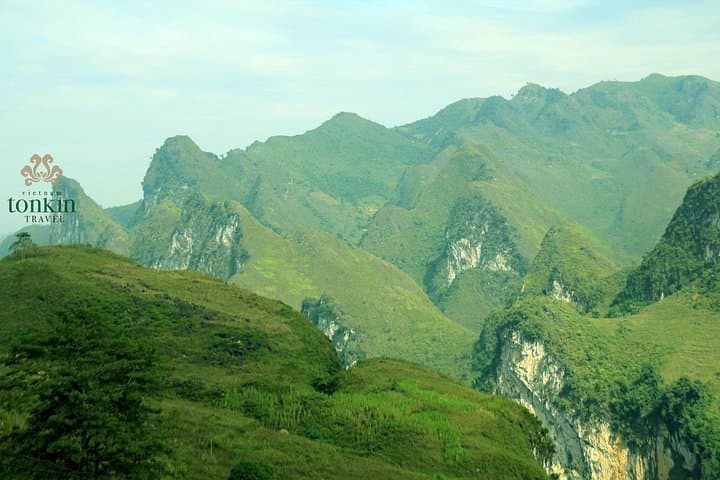
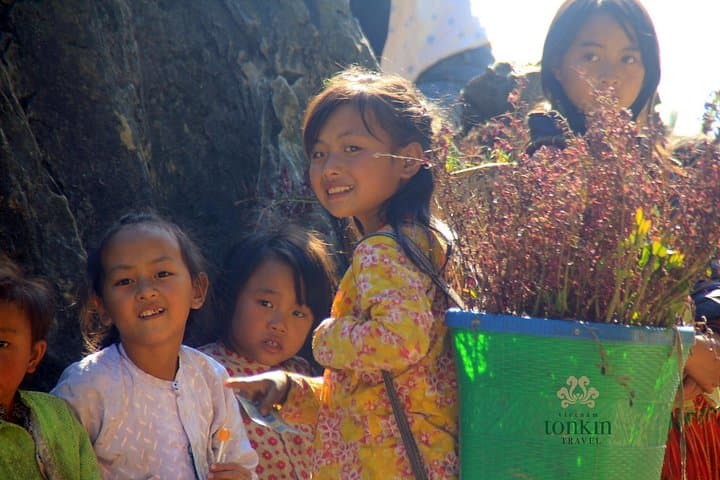
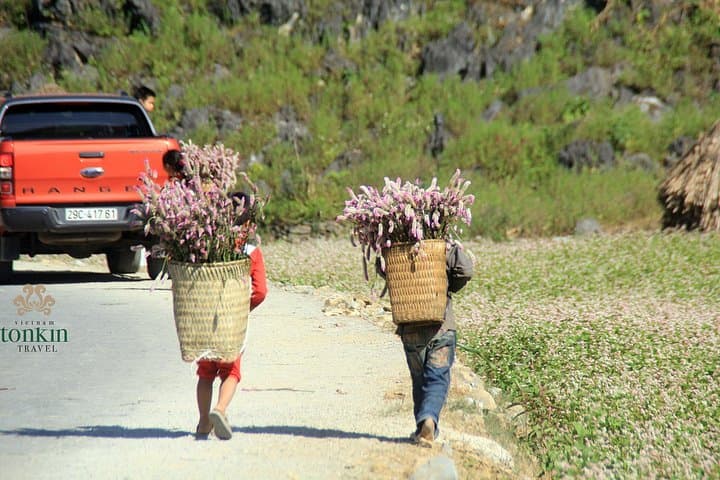
This three-day loop threads Quan Ba’s Heaven Gate and the Fairy Bosom peaks, the lunar ridges of Dong Van Karst Plateau — a UNESCO Global Geopark — and the raw sweep of Ma Pi Leng overlooking the Nho Que river. Geology here is loud: ancient marine limestone uplifted, eroded into towers and canyons that photographers and geologists both prize. Culturally, the Hmong and Tay communities shape the route — Vuong’s Palace in Dong Van recalls a local dynastic past under French protection, while markets like Meo Vac remain living centers of trade.
Expect short hikes and viewpoint stops rather than long mountaineering; most moving is by road with frequent photo-and-walk breaks. Nights are in basic homestays — simple beds, shared bathrooms, home-cooked meals focused on local produce and mountain pork. Practical notes: travel light, bring layers for 1,500–2,000 m temperatures, and carry cash—ATM access is limited outside Ha Giang city. Roads can be narrow and rainy in monsoon season; allow extra time for photography and market stops.
This trip suits travelers who want dramatic vistas, cultural encounters, and straightforward hiking, balanced with reliable transport and local guides who read the landscape and routes.
Most departures pick up in Hanoi early morning and return to Hanoi at the end of day three; local pickup points may be available—confirm at booking.
Homestays are basic but clean, often family-run with shared facilities; expect simple beds, hot meals, and authentic local hospitality.
Not ideal for very young children or travelers with limited mobility due to winding roads, stairs, and uneven paths—contact the operator for specifics on accessibility.
National park and geopark admission fees are included in the tour inclusions; check with the provider for any additional site fees.
Vietnam Tonkin Travel operates guided outdoor trips and adventures with an emphasis on safety, stewardship, and memorable experiences.
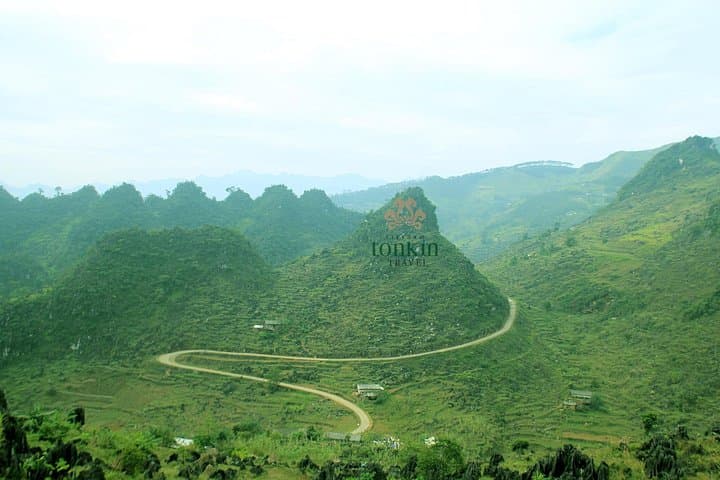
The road opens like a film strip: two lanes of asphalt cut through limestone ribs, switchbacks folding upward until villages and terraced fields hang in the light. By dawn you’re leaving Hanoi’s flat green for a highland world where clouds tuck into river valleys and the wind pushes you along cliff-edge passes.
The road opens like a film strip: two lanes of asphalt cut through limestone ribs, switchbacks folding upward until villages and terraced fields hang in the light. By dawn you’re leaving Hanoi’s flat green for a highland world where clouds tuck into river valleys and the wind pushes you along cliff-edge passes.
This three-day loop threads Quan Ba’s Heaven Gate and the Fairy Bosom peaks, the lunar ridges of Dong Van Karst Plateau — a UNESCO Global Geopark — and the raw sweep of Ma Pi Leng overlooking the Nho Que river. Geology here is loud: ancient marine limestone uplifted, eroded into towers and canyons that photographers and geologists both prize. Culturally, the Hmong and Tay communities shape the route — Vuong’s Palace in Dong Van recalls a local dynastic past under French protection, while markets like Meo Vac remain living centers of trade.
Expect short hikes and viewpoint stops rather than long mountaineering; most moving is by road with frequent photo-and-walk breaks. Nights are in basic homestays — simple beds, shared bathrooms, home-cooked meals focused on local produce and mountain pork. Practical notes: travel light, bring layers for 1,500–2,000 m temperatures, and carry cash—ATM access is limited outside Ha Giang city. Roads can be narrow and rainy in monsoon season; allow extra time for photography and market stops.
This trip suits travelers who want dramatic vistas, cultural encounters, and straightforward hiking, balanced with reliable transport and local guides who read the landscape and routes.