THE ADVENTURE COLLECTIVE® · Independent discovery and booking for outdoor travel

A compact three-day circuit through Ha Giang’s highlands, this trip combines the drama of Ma Pi Leng Pass with authentic homestays, ethnic markets, and short village treks. Expect scenic drives, cultural encounters, and rugged karst landscapes.
A compact three-day circuit through Ha Giang’s highlands, this trip combines the drama of Ma Pi Leng Pass with authentic homestays, ethnic markets, and short village treks. Expect scenic drives, cultural encounters, and rugged karst landscapes.
Morning light slices the limestone ridgelines as the bus winds higher into Ha Giang province; cliffs peer down at the narrow Nho Que River daring you to look over the edge. Over three days you move between high cold valleys and terraced fields, join village life in Tay and Hmong homestays, and stand on Ma Pi Leng Pass where the road clings to the rock face and the river pushes forward below.
Verified experiences and guided adventures in the surrounding area.
Operated by Asia Group Tour · Dong Van, Ha Giang
Morning light slices the limestone ridgelines as the bus winds higher into Ha Giang province; cliffs peer down at the narrow Nho Que River daring you to look over the edge. Over three days you move between high cold valleys and terraced fields, join village life in Tay and Hmong homestays, and stand on Ma Pi Leng Pass where the road clings to the rock face and the river pushes forward below.
This is the Dong Van Karst Plateau — a geological landscape carved from ancient limestone, recognized for its cultural diversity and UNESCO Geopark values. The region is home to more than 20 ethnic groups; traditional houses, Hmong King’s Palace, and local markets reflect a history of frontier life shaped by rice terraces, animal herding, and cross-border trade.
Expect long, scenic road travel punctuated by short treks through villages, steep switchbacks, and viewpoints. Accommodation alternates between local homestays and a modest hotel in Dong Van. Meals feature regional Vietnamese fare; guides coordinate entrances to key sites and the logistics of homestay visits.
Practical guidance: pack layered clothing, a reliable rain shell, and footwear with good grip for uneven village trails. Hydrate on bus legs and bring cash for small purchases at rural markets. Mornings are cold at altitude; plan photo windows for golden light and leave time to acclimatize before any strenuous walking. Respect private family spaces in homestays and minimize single-use plastics — the karst plateau’s soils and springs are fragile.
The tour is moderate: long bus transfers with short, sometimes steep village walks; it’s suitable for most people in reasonable health.
Guides provided are English-speaking; local hosts may speak ethnic languages with limited Vietnamese.
Most lunches, breakfasts and dinners listed in the itinerary are included along with entrance fees to indicated sites; check the operator’s inclusions for specifics.
Notify the operator in advance via booking questions; homestays and local eateries can often adapt simple dietary needs but advanced notice is required.
Asia Group Tour operates guided outdoor trips and adventures with an emphasis on safety, stewardship, and memorable experiences.
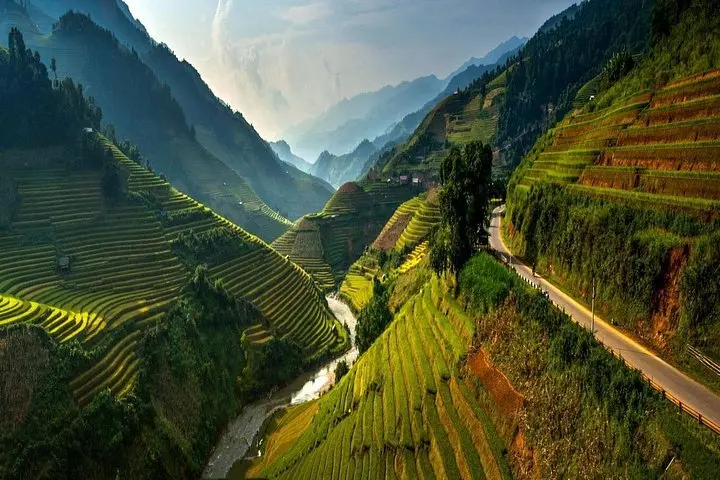
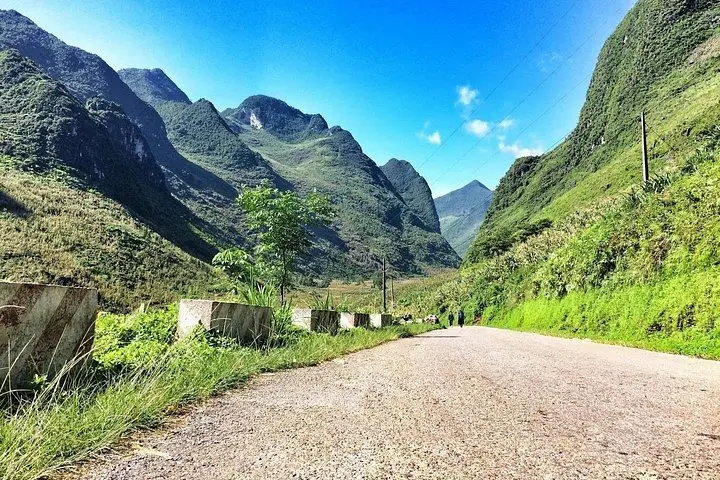
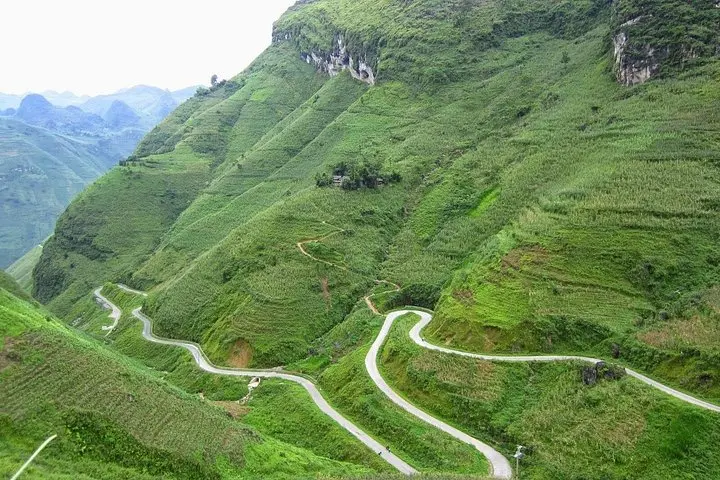
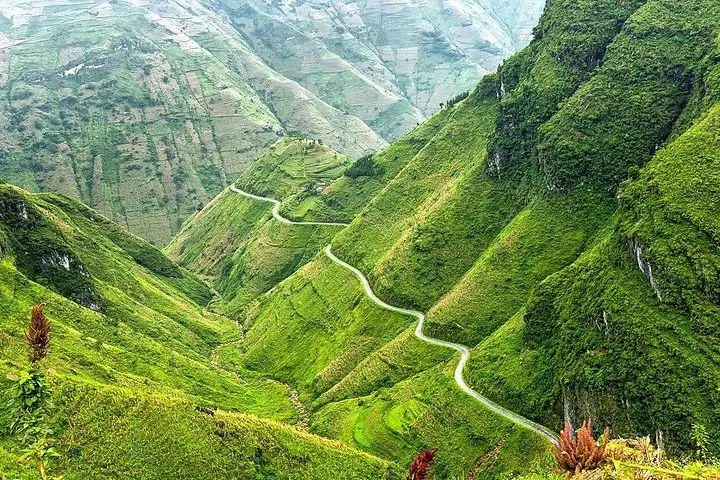
Morning light slices the limestone ridgelines as the bus winds higher into Ha Giang province; cliffs peer down at the narrow Nho Que River daring you to look over the edge. Over three days you move between high cold valleys and terraced fields, join village life in Tay and Hmong homestays, and stand on Ma Pi Leng Pass where the road clings to the rock face and the river pushes forward below.
Morning light slices the limestone ridgelines as the bus winds higher into Ha Giang province; cliffs peer down at the narrow Nho Que River daring you to look over the edge. Over three days you move between high cold valleys and terraced fields, join village life in Tay and Hmong homestays, and stand on Ma Pi Leng Pass where the road clings to the rock face and the river pushes forward below.
This is the Dong Van Karst Plateau — a geological landscape carved from ancient limestone, recognized for its cultural diversity and UNESCO Geopark values. The region is home to more than 20 ethnic groups; traditional houses, Hmong King’s Palace, and local markets reflect a history of frontier life shaped by rice terraces, animal herding, and cross-border trade.
Expect long, scenic road travel punctuated by short treks through villages, steep switchbacks, and viewpoints. Accommodation alternates between local homestays and a modest hotel in Dong Van. Meals feature regional Vietnamese fare; guides coordinate entrances to key sites and the logistics of homestay visits.
Practical guidance: pack layered clothing, a reliable rain shell, and footwear with good grip for uneven village trails. Hydrate on bus legs and bring cash for small purchases at rural markets. Mornings are cold at altitude; plan photo windows for golden light and leave time to acclimatize before any strenuous walking. Respect private family spaces in homestays and minimize single-use plastics — the karst plateau’s soils and springs are fragile.