THE ADVENTURE COLLECTIVE® · Independent discovery and booking for outdoor travel

A three-day self-drive motorbike loop from Ha Giang that takes you over Ma Pi Leng, through Dong Van’s ancient streets and into Du Gia’s rice-valley quiet. Expect steep passes, gravel sections, and homestays with local families.
A three-day self-drive motorbike loop from Ha Giang that takes you over Ma Pi Leng, through Dong Van’s ancient streets and into Du Gia’s rice-valley quiet. Expect steep passes, gravel sections, and homestays with local families.
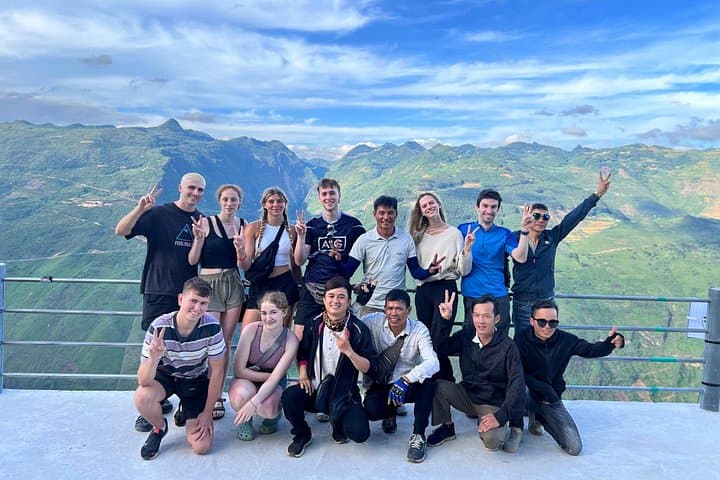
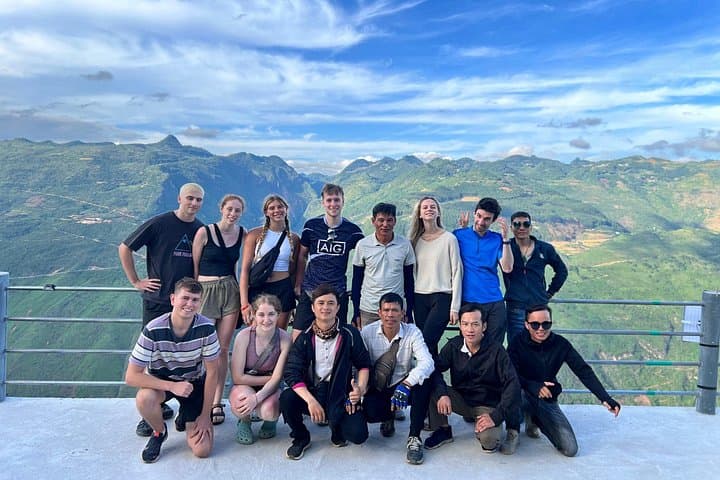
The road arrives before you do: a ribbon of cracked asphalt and gravel unfurls through limestone ridges, terraced rice, and villages that watch every rider pass. You kick off in Ha Giang city at first light and by noon have already threaded the Heaven Gate at Quan Ba, where twin cones of weathered rock jut from green farmland like guarded pillars. Over the next three days the loop ascends Ma Pi Leng—one of Vietnam’s most dramatic passes—skirting the Nho Que River as it carves the Tu San canyon, the deepest in Southeast Asia.
Verified experiences and guided adventures in the surrounding area.
Operated by Ha Giang Road Trip · Ha Giang, Ha Giang Province
The road arrives before you do: a ribbon of cracked asphalt and gravel unfurls through limestone ridges, terraced rice, and villages that watch every rider pass. You kick off in Ha Giang city at first light and by noon have already threaded the Heaven Gate at Quan Ba, where twin cones of weathered rock jut from green farmland like guarded pillars. Over the next three days the loop ascends Ma Pi Leng—one of Vietnam’s most dramatic passes—skirting the Nho Que River as it carves the Tu San canyon, the deepest in Southeast Asia.
This region sits on ancient karst folded by tectonics and river erosion; culturally it’s a patchwork of Hmong, Tay and Dao communities whose markets, woven hemp and wooden homestays anchor the ride. The Hmong King’s palace in Dong Van hints at 20th‑century local leadership, while Lung Tam still offers live demonstrations of hemp weaving techniques.
Expect mixed surfaces: paved provincial roads, steep switchbacks and sections of hard-packed dirt and gravel. Daily rides average 90–135 km with short hikes available (the Sky Pass walk is about 1.5 hours). Nights are in small family homestays or guesthouses—simple, warm, and often without hot water.
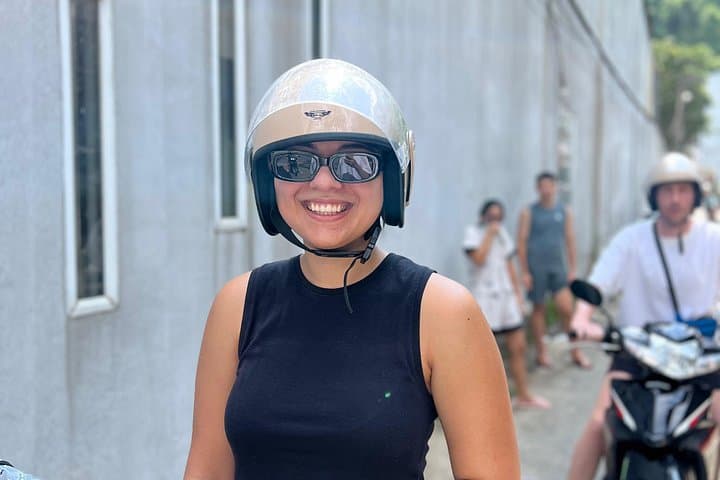
Practical guidance: carry an international driving permit and a reliable helmet, top off fuel when you can, and plan for variable weather—sunny mornings can turn to fog or rain by afternoon. Hydrate, secure your luggage, and give yourself time for tight turns and local traffic; ride conservatively and let the landscape set the pace.
Yes—an International Driving Permit that covers motorcycles is recommended and often required; local organizers may ask to see it before the tour starts.
This loop suits riders comfortable with long days on varied surfaces, including gravel and steep switchbacks; novices should consider a guided or pillion option.
Nights are in family-run homestays or simple guesthouses with basic amenities; expect shared bathrooms and variable hot water availability.
Coverage is patchy in the high passes—carry offline maps and top up fuel in larger towns like Yen Minh and Meo Vac.
Ha Giang Road Trip operates guided outdoor trips and adventures with an emphasis on safety, stewardship, and memorable experiences.

The road arrives before you do: a ribbon of cracked asphalt and gravel unfurls through limestone ridges, terraced rice, and villages that watch every rider pass. You kick off in Ha Giang city at first light and by noon have already threaded the Heaven Gate at Quan Ba, where twin cones of weathered rock jut from green farmland like guarded pillars. Over the next three days the loop ascends Ma Pi Leng—one of Vietnam’s most dramatic passes—skirting the Nho Que River as it carves the Tu San canyon, the deepest in Southeast Asia.
The road arrives before you do: a ribbon of cracked asphalt and gravel unfurls through limestone ridges, terraced rice, and villages that watch every rider pass. You kick off in Ha Giang city at first light and by noon have already threaded the Heaven Gate at Quan Ba, where twin cones of weathered rock jut from green farmland like guarded pillars. Over the next three days the loop ascends Ma Pi Leng—one of Vietnam’s most dramatic passes—skirting the Nho Que River as it carves the Tu San canyon, the deepest in Southeast Asia.
This region sits on ancient karst folded by tectonics and river erosion; culturally it’s a patchwork of Hmong, Tay and Dao communities whose markets, woven hemp and wooden homestays anchor the ride. The Hmong King’s palace in Dong Van hints at 20th‑century local leadership, while Lung Tam still offers live demonstrations of hemp weaving techniques.
Expect mixed surfaces: paved provincial roads, steep switchbacks and sections of hard-packed dirt and gravel. Daily rides average 90–135 km with short hikes available (the Sky Pass walk is about 1.5 hours). Nights are in small family homestays or guesthouses—simple, warm, and often without hot water.
Practical guidance: carry an international driving permit and a reliable helmet, top off fuel when you can, and plan for variable weather—sunny mornings can turn to fog or rain by afternoon. Hydrate, secure your luggage, and give yourself time for tight turns and local traffic; ride conservatively and let the landscape set the pace.