THE ADVENTURE COLLECTIVE® · Independent discovery and booking for outdoor travel

Ride the Ha Giang loop over three days to reach Ma Pi Leng Pass, Dong Van and the Nho Que canyon. This guided small‑group motorbike tour mixes high alpine roads, ethnic villages and dramatic karst scenery.
Ride the Ha Giang loop over three days to reach Ma Pi Leng Pass, Dong Van and the Nho Que canyon. This guided small‑group motorbike tour mixes high alpine roads, ethnic villages and dramatic karst scenery.
A low morning sun slices across limestone ridges as the convoy peels out of Ha Giang City—engines thrum, helmets catch stray light, and a mountain road unfurls that few international visitors see. Over three days the loop pushes into the Dong Van Karst Plateau Geopark: Quan Ba’s twin hills, the ragged spine of Ma Pi Leng, and the green thread of the Nho Que River far below.
Verified experiences and guided adventures in the surrounding area.
Operated by Authentic HA GIANG · Ha Giang City, Ha Giang
A low morning sun slices across limestone ridges as the convoy peels out of Ha Giang City—engines thrum, helmets catch stray light, and a mountain road unfurls that few international visitors see. Over three days the loop pushes into the Dong Van Karst Plateau Geopark: Quan Ba’s twin hills, the ragged spine of Ma Pi Leng, and the green thread of the Nho Que River far below.
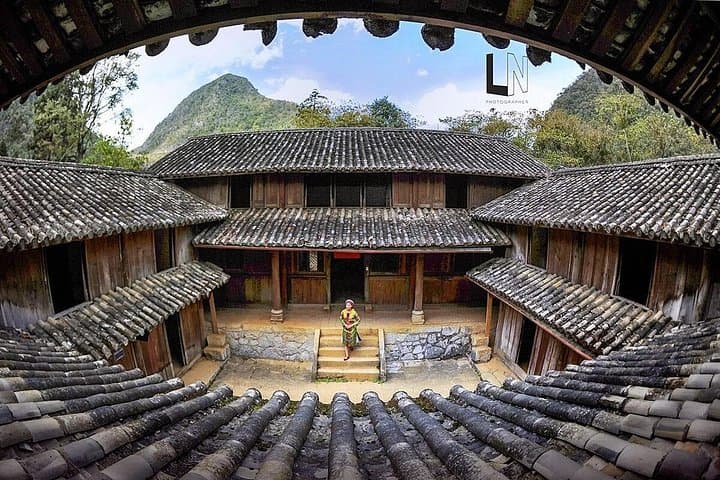
This route runs through territory long inhabited by H’Mong, Tay and Dao communities; stone terraces and the 20th‑century Vuong family mansion in Sa Phin speak to layered histories of trade, French influence and local governance. Geologically the area is karst plateau—limestone cliffs, deep canyons and narrow passes carved over millennia—so expect exposed rock, switchbacks and sudden drops in vegetation.
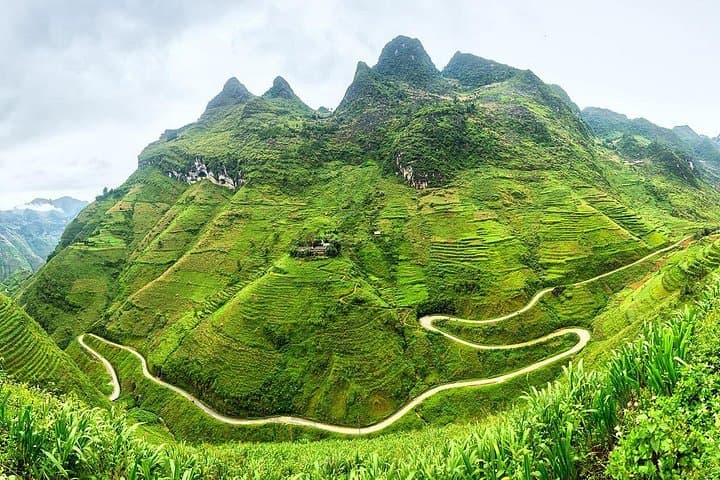
Practically, the days are long: you’ll cover 200–300 km across mixed paved and rough mountain roads with frequent hairpins and short gravel sections. Elevations range from ~300 m along the Nho Que valley to roughly 1,600–1,900 m on the plateau; weather shifts rapidly—cold fog one hour, bright sun the next.
Travelers can ride provided motorbikes (helmet included) or ride pillion with a trained local driver; guides manage logistics, homestays and meals. Bring layered riding gear, waterproofs, cash for remote villages and a spare battery for phones—mobile coverage is patchy. Pace your fuel and water stops: service points are spaced and the scenery rewards deliberate, cautious riding rather than speed.
No—there’s a driver option; however, if you book the solo motorbike option, basic riding experience and confidence on twisty mountain roads is recommended.
Accommodations are a mix of guesthouses and homestays with twin or dorm options—expect simple rooms, shared bathrooms in villages and one night in a homestay at Du Gia.
The itinerary includes a boat on the Nho Que River on day two; small local boats are used and conditions depend on water level and weather.
Local drivers are experienced on these roads; riders should maintain conservative speeds, watch for oncoming traffic and avoid wet or foggy conditions for best safety.
Authentic HA GIANG operates guided outdoor trips and adventures with an emphasis on safety, stewardship, and memorable experiences.
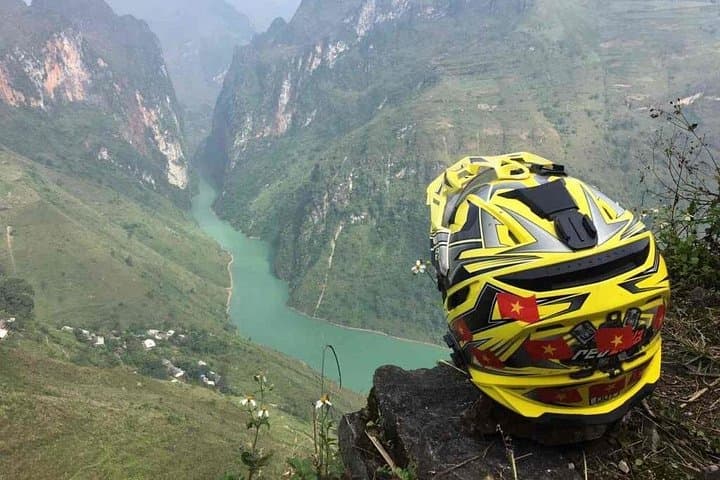
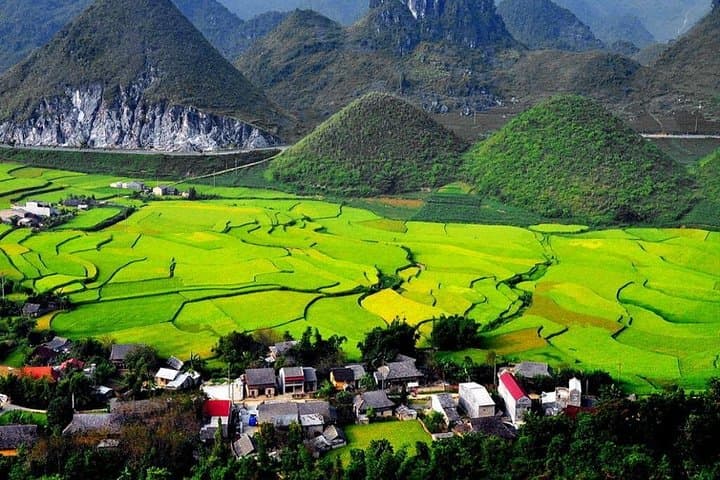
A low morning sun slices across limestone ridges as the convoy peels out of Ha Giang City—engines thrum, helmets catch stray light, and a mountain road unfurls that few international visitors see. Over three days the loop pushes into the Dong Van Karst Plateau Geopark: Quan Ba’s twin hills, the ragged spine of Ma Pi Leng, and the green thread of the Nho Que River far below.
A low morning sun slices across limestone ridges as the convoy peels out of Ha Giang City—engines thrum, helmets catch stray light, and a mountain road unfurls that few international visitors see. Over three days the loop pushes into the Dong Van Karst Plateau Geopark: Quan Ba’s twin hills, the ragged spine of Ma Pi Leng, and the green thread of the Nho Que River far below.
This route runs through territory long inhabited by H’Mong, Tay and Dao communities; stone terraces and the 20th‑century Vuong family mansion in Sa Phin speak to layered histories of trade, French influence and local governance. Geologically the area is karst plateau—limestone cliffs, deep canyons and narrow passes carved over millennia—so expect exposed rock, switchbacks and sudden drops in vegetation.
Practically, the days are long: you’ll cover 200–300 km across mixed paved and rough mountain roads with frequent hairpins and short gravel sections. Elevations range from ~300 m along the Nho Que valley to roughly 1,600–1,900 m on the plateau; weather shifts rapidly—cold fog one hour, bright sun the next.
Travelers can ride provided motorbikes (helmet included) or ride pillion with a trained local driver; guides manage logistics, homestays and meals. Bring layered riding gear, waterproofs, cash for remote villages and a spare battery for phones—mobile coverage is patchy. Pace your fuel and water stops: service points are spaced and the scenery rewards deliberate, cautious riding rather than speed.