THE ADVENTURE COLLECTIVE® · Independent discovery and booking for outdoor travel

A five-day guided loop through Ha Giang’s karst plateaus, Ma Pi Leng pass and remote Tay, Hmong and Yao villages. Expect long days on steep, variable trails, homestays, and dramatic canyon and terrace views.
A five-day guided loop through Ha Giang’s karst plateaus, Ma Pi Leng pass and remote Tay, Hmong and Yao villages. Expect long days on steep, variable trails, homestays, and dramatic canyon and terrace views.
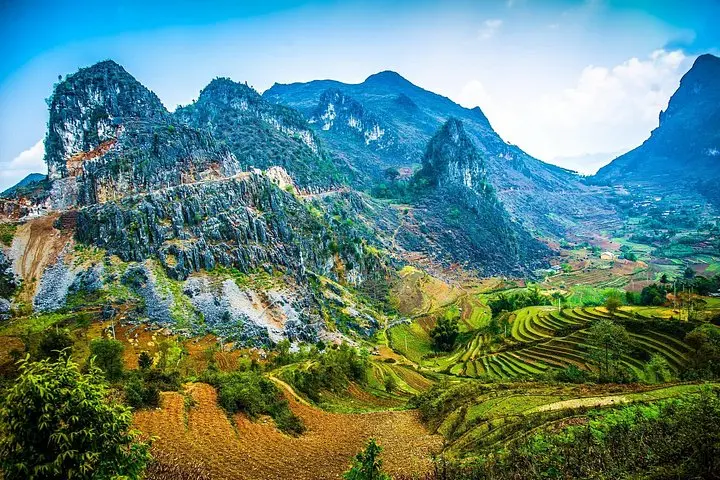
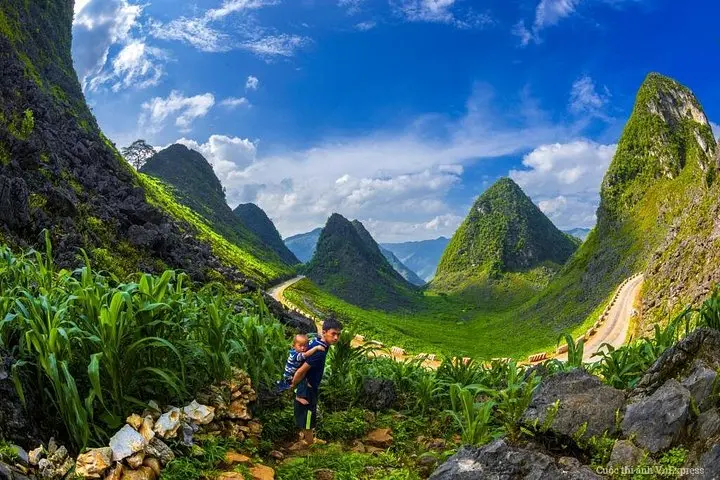
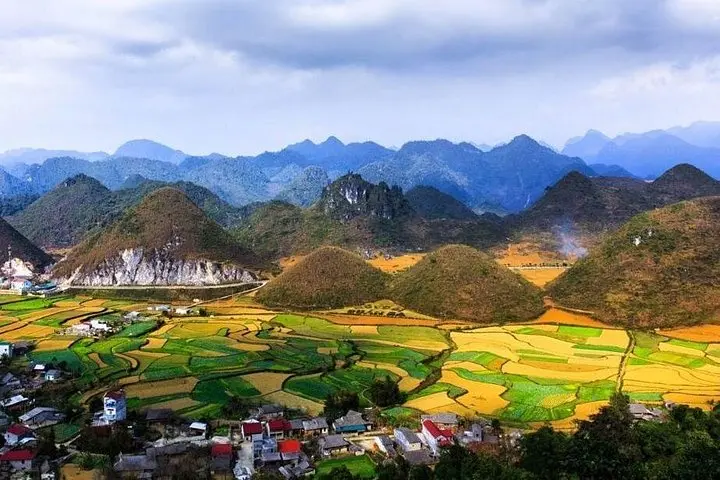
You step out of the van into a knife-edged light and the road immediately begins to climb — cornfields fall away and rice terraces fold into the hills like layered steps. Ha Giang feels at once raw and deliberate: limestone summits, narrow valley floors, and villages that watch the road pass by.
Verified experiences and guided adventures in the surrounding area.
Operated by Conical Travel · Ha Giang, Ha Giang Province
You step out of the van into a knife-edged light and the road immediately begins to climb — cornfields fall away and rice terraces fold into the hills like layered steps. Ha Giang feels at once raw and deliberate: limestone summits, narrow valley floors, and villages that watch the road pass by.
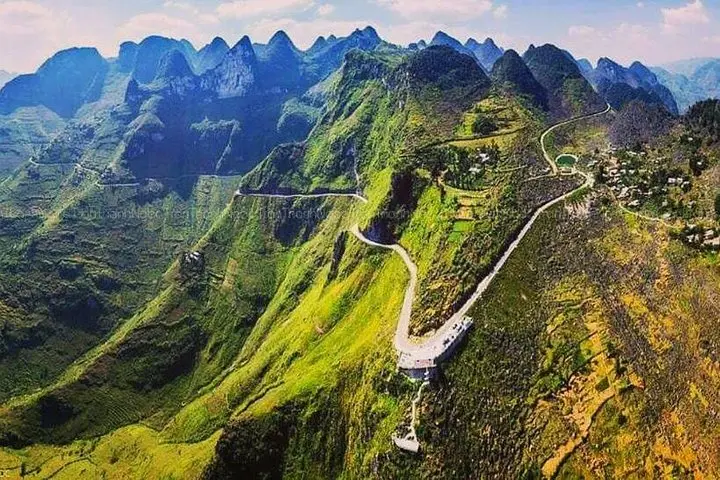
This five-day loop moves through the Dong Van Karst Plateau Global Geopark, following trails used for generations by Tay, Hmong and Yao communities. Geology here is dramatic; karst towers and deep gorges were carved by tectonic uplift and rivers like the Nho Que, which threads the most dramatic valleys and gives Ma Pi Leng its vertiginous views.
Culture is immediate — clay houses, stilted wooden homes and open markets where textiles and hill-grown produce are traded. The region’s history includes frontier trade routes and a mix of Chinese and Vietnamese influences visible in architecture and dress.
Practical guidance: expect daily walks of 10–18 km on uneven, often steep trails with sections of loose scree and packed earth. Homestays and simple hotels are typical; meals are local and filling. Weather shifts fast — mornings can be cold and afternoons warm, with sudden rain in summer.
Bring sturdy boots, layered clothing, a reliable rain shell and a small first-aid kit. Hydrate early, move steadily on steep ascents, and respect village customs: ask before photographing people and remove shoes in homes. With a guided group you’ll cover remote passes, meet local families and finish with expansive views from Ma Pi Leng that make the climb worth every step.
You should be comfortable hiking several hours at a stretch with elevation changes; the route is guided and suitable for regular walkers but not for complete beginners to multi-day trekking.
Accommodations alternate between simple homestays in villages and basic hotels in district towns; expect shared rooms and local meals.
The itinerary is designed as a guided private tour; remote sections have limited medical facilities, so traveling with the guide is recommended for navigation and support.
Late September–November and March–May offer the most stable weather and the most dramatic scenery; summer brings rain and winter can be cold at altitude.
Conical Travel operates guided outdoor trips and adventures with an emphasis on safety, stewardship, and memorable experiences.
You step out of the van into a knife-edged light and the road immediately begins to climb — cornfields fall away and rice terraces fold into the hills like layered steps. Ha Giang feels at once raw and deliberate: limestone summits, narrow valley floors, and villages that watch the road pass by.
You step out of the van into a knife-edged light and the road immediately begins to climb — cornfields fall away and rice terraces fold into the hills like layered steps. Ha Giang feels at once raw and deliberate: limestone summits, narrow valley floors, and villages that watch the road pass by.
This five-day loop moves through the Dong Van Karst Plateau Global Geopark, following trails used for generations by Tay, Hmong and Yao communities. Geology here is dramatic; karst towers and deep gorges were carved by tectonic uplift and rivers like the Nho Que, which threads the most dramatic valleys and gives Ma Pi Leng its vertiginous views.
Culture is immediate — clay houses, stilted wooden homes and open markets where textiles and hill-grown produce are traded. The region’s history includes frontier trade routes and a mix of Chinese and Vietnamese influences visible in architecture and dress.
Practical guidance: expect daily walks of 10–18 km on uneven, often steep trails with sections of loose scree and packed earth. Homestays and simple hotels are typical; meals are local and filling. Weather shifts fast — mornings can be cold and afternoons warm, with sudden rain in summer.
Bring sturdy boots, layered clothing, a reliable rain shell and a small first-aid kit. Hydrate early, move steadily on steep ascents, and respect village customs: ask before photographing people and remove shoes in homes. With a guided group you’ll cover remote passes, meet local families and finish with expansive views from Ma Pi Leng that make the climb worth every step.