THE ADVENTURE COLLECTIVE® · Independent discovery and booking for outdoor travel

Swap Hanoi’s bustle for three days of cliff roads, deep gorges and homestays in Ha Giang. This guided loop across the Dong Van Karst Plateau mixes short hikes, high passes and hands-on cultural experiences.
Swap Hanoi’s bustle for three days of cliff roads, deep gorges and homestays in Ha Giang. This guided loop across the Dong Van Karst Plateau mixes short hikes, high passes and hands-on cultural experiences.
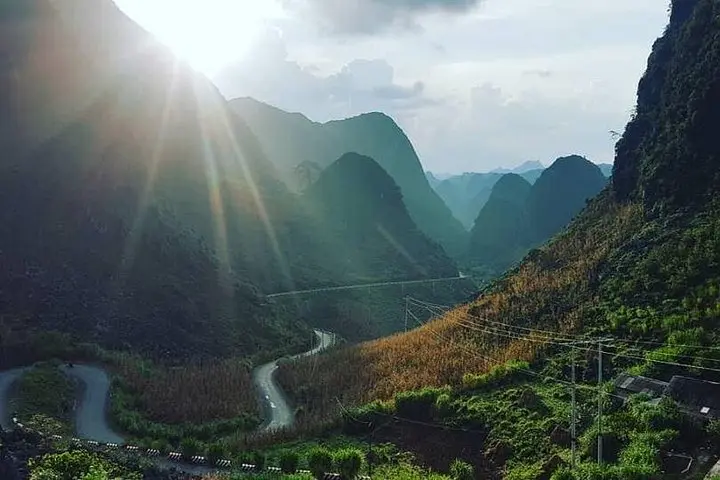
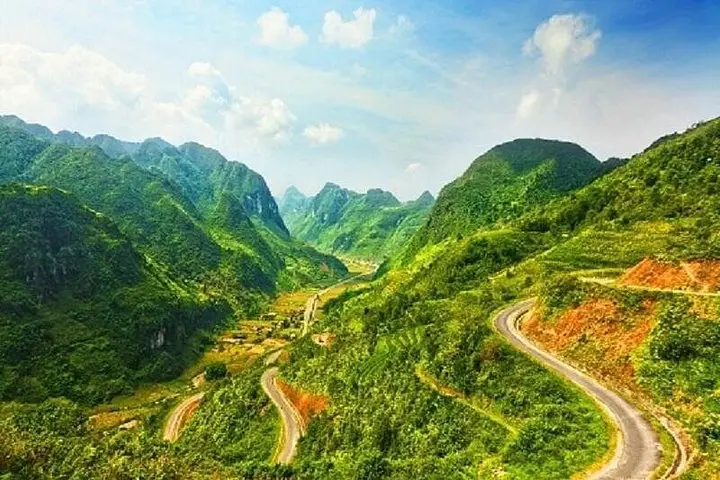
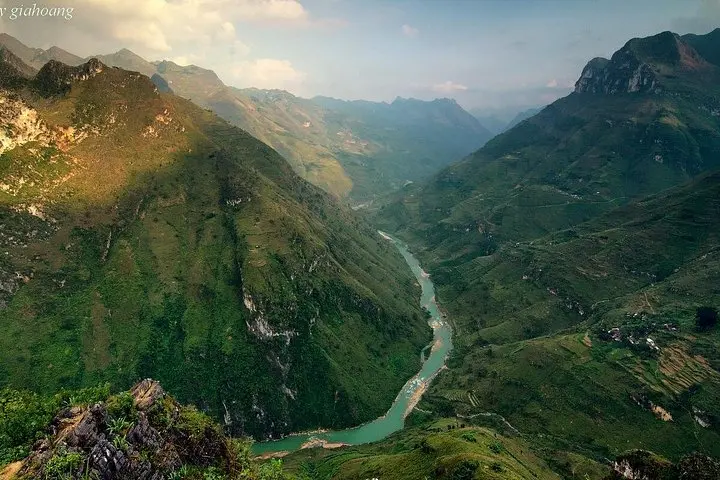
A cold wind from the karst ridges meets you as the van climbs out of Ha Giang City and the road narrows; limestone spines rise like folded maps and the Nho Que River dares you to look over the edge. On this three-day loop you trade Hanoi’s flat plains for switchbacks, cliffside vistas and village lanes where dry-stone walls and corrugated roofs mark Tay and Hmong settlements.
Verified experiences and guided adventures in the surrounding area.
Operated by The Church Travels · Ha Giang City, Ha Giang Province
A cold wind from the karst ridges meets you as the van climbs out of Ha Giang City and the road narrows; limestone spines rise like folded maps and the Nho Que River dares you to look over the edge. On this three-day loop you trade Hanoi’s flat plains for switchbacks, cliffside vistas and village lanes where dry-stone walls and corrugated roofs mark Tay and Hmong settlements.
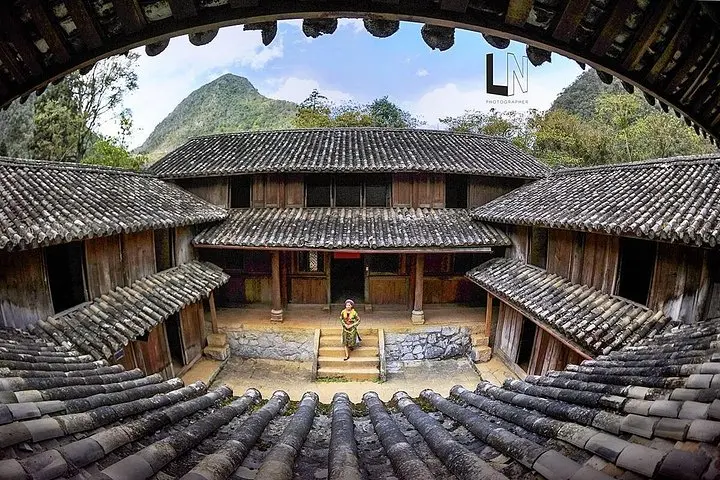
Geologically the Dong Van Karst Plateau is ancient—limestone carved by millennia of water and uplift—now a UNESCO Global Geopark. Cultural traces are immediate: the Hmong King’s Palace in Sa Phin recalls 20th-century local power, while homestays in Tay villages create direct encounters with traditional crafts and hill-farming routines. Ma Pi Leng Pass, rising roughly to 1,200 m, offers one of Vietnam’s most dramatic road viewpoints where the Nho Que canyon narrows into a green gorge.
Practically, expect long drives broken by short hikes and village walks (typical treks 1–3 hours on mixed dirt and paved trails), basic homestay accommodation, and meals featuring local produce. Roads are steep and serpentine; allow time for photo stops and altitude adjustment. Bring layered clothing for cold mornings, a rain shell for sudden showers, and sturdy footwear for rocky village paths. Plan early starts for the best light on the pass and quieter village encounters in the evening. Respect local customs when staying in family homes—ask before photographing and accept invitations to share tea. This trip balances scenic adrenaline with cultural immersion, delivering raw mountain scenery and close-up insight into northern Vietnam’s highland communities.
Most tours include round-trip transport by air-conditioned vehicle; direct travel by bus or private car from Hanoi takes roughly 6–8 hours depending on stops.
Yes — homestays offer simple, local accommodation with shared facilities; expect modest mattresses, local food, and a chance to meet host families.
Altitudes are moderate (passes around 1,000–1,300 m); most travelers do not experience severe symptoms but hydrate, rest, and notify guides of any issues.
Many operators can adjust schedules or add a night in Dong Van or Ha Giang City—ask during booking to confirm availability and pricing.
The Church Travels operates guided outdoor trips and adventures with an emphasis on safety, stewardship, and memorable experiences.
A cold wind from the karst ridges meets you as the van climbs out of Ha Giang City and the road narrows; limestone spines rise like folded maps and the Nho Que River dares you to look over the edge. On this three-day loop you trade Hanoi’s flat plains for switchbacks, cliffside vistas and village lanes where dry-stone walls and corrugated roofs mark Tay and Hmong settlements.
A cold wind from the karst ridges meets you as the van climbs out of Ha Giang City and the road narrows; limestone spines rise like folded maps and the Nho Que River dares you to look over the edge. On this three-day loop you trade Hanoi’s flat plains for switchbacks, cliffside vistas and village lanes where dry-stone walls and corrugated roofs mark Tay and Hmong settlements.
Geologically the Dong Van Karst Plateau is ancient—limestone carved by millennia of water and uplift—now a UNESCO Global Geopark. Cultural traces are immediate: the Hmong King’s Palace in Sa Phin recalls 20th-century local power, while homestays in Tay villages create direct encounters with traditional crafts and hill-farming routines. Ma Pi Leng Pass, rising roughly to 1,200 m, offers one of Vietnam’s most dramatic road viewpoints where the Nho Que canyon narrows into a green gorge.
Practically, expect long drives broken by short hikes and village walks (typical treks 1–3 hours on mixed dirt and paved trails), basic homestay accommodation, and meals featuring local produce. Roads are steep and serpentine; allow time for photo stops and altitude adjustment. Bring layered clothing for cold mornings, a rain shell for sudden showers, and sturdy footwear for rocky village paths. Plan early starts for the best light on the pass and quieter village encounters in the evening. Respect local customs when staying in family homes—ask before photographing and accept invitations to share tea. This trip balances scenic adrenaline with cultural immersion, delivering raw mountain scenery and close-up insight into northern Vietnam’s highland communities.