THE ADVENTURE COLLECTIVE® · Independent discovery and booking for outdoor travel

Three days of hairpin passes, limestone spires and mountain homestays: the Ha Giang Easy Rider loop delivers high-altitude scenery and deep cultural encounters. Read on for what to expect, how to prepare and local tips to make the most of this motorbike journey.
Three days of hairpin passes, limestone spires and mountain homestays: the Ha Giang Easy Rider loop delivers high-altitude scenery and deep cultural encounters. Read on for what to expect, how to prepare and local tips to make the most of this motorbike journey.
A wind-cutting road curls out of Ha Giang city at dawn; the mountain air bites and the bikes hum like living things ready to pull you forward. Riders and passengers slide along hairpin bends, the Dong Van karst towers folding and unfolding on every crest. From Quan Ba’s Twin Mountains to the dizzying drop at Ma Pi Leng, the landscape asserts itself—rock walls daring you to look down while the Nho Que River pushes on below.
Verified experiences and guided adventures in the surrounding area.
Operated by Daisy Tourist · Ha Giang city, Ha Giang
A wind-cutting road curls out of Ha Giang city at dawn; the mountain air bites and the bikes hum like living things ready to pull you forward. Riders and passengers slide along hairpin bends, the Dong Van karst towers folding and unfolding on every crest. From Quan Ba’s Twin Mountains to the dizzying drop at Ma Pi Leng, the landscape asserts itself—rock walls daring you to look down while the Nho Que River pushes on below.
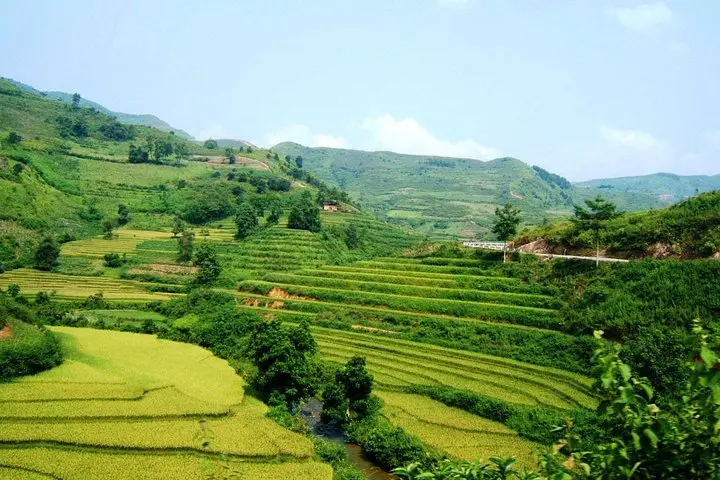
This loop traces a borderland shaped by limestone uplift and river incision over millions of years, where ethnic minority cultures—H’Mong, Tay, Dao and others—have adapted terraces and wooden stilt homes to the steep slopes. The Meo King Palace and ancient market towns hold stories of trade, tax routes and a frontier life that still colors daily routines. Geology here explains the sharp ridgelines; culture explains the songs and woven patterns you’ll see at homestays.
Practically, the route is a three-day motorbike circuit that mixes paved passes and narrow mountain shoulders. Expect long riding blocks, short walking viewpoints, and simple homestay accommodations. Weather turns quickly: sun one hour, wind and rain the next. Hydrate, carry layers, and plan for limited cell service along remote stretches.
If you’re a passenger, relax into the ride; if you rent a bike, confirm insurance and local licensing. Time your trip for clear visibility—early morning light opens the best views—and let the road set the pace: slow on switchbacks, quick to stop for a view.
No—many travelers ride as passengers with local 'Easy Rider' drivers; if you plan to drive yourself, basic riding experience and a license are recommended.
Most main routes are paved but narrow and steep with sharp switchbacks; expect occasional unrepaired sections, gravel shoulders and limited guardrails.
Night riding is not recommended due to limited lighting, falling rocks, and unpredictable road conditions—schedule passes and long transfers for daylight hours.
Bring Vietnamese dong for rural purchases; English is limited outside main towns—basic Vietnamese phrases or a local guide helps.
Daisy Tourist operates guided outdoor trips and adventures with an emphasis on safety, stewardship, and memorable experiences.
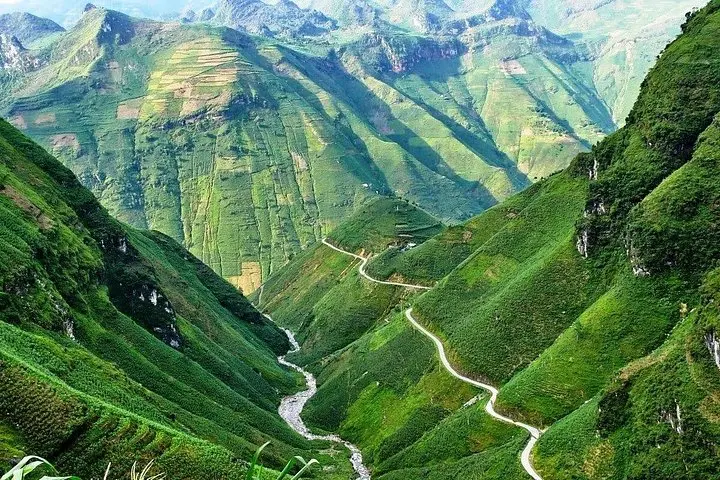
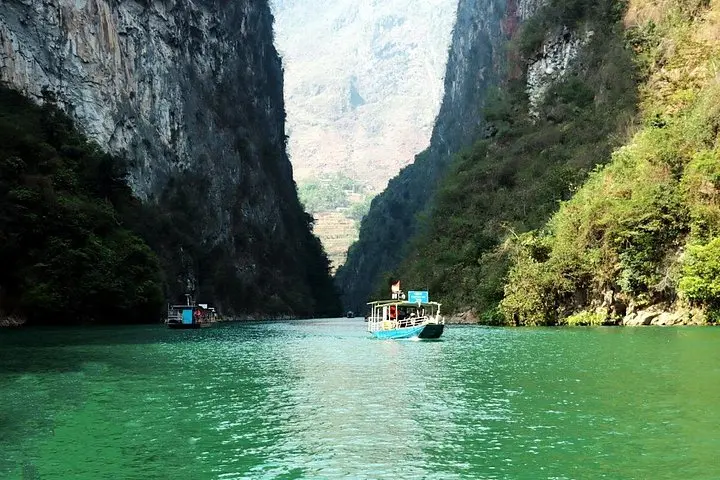
A wind-cutting road curls out of Ha Giang city at dawn; the mountain air bites and the bikes hum like living things ready to pull you forward. Riders and passengers slide along hairpin bends, the Dong Van karst towers folding and unfolding on every crest. From Quan Ba’s Twin Mountains to the dizzying drop at Ma Pi Leng, the landscape asserts itself—rock walls daring you to look down while the Nho Que River pushes on below.
A wind-cutting road curls out of Ha Giang city at dawn; the mountain air bites and the bikes hum like living things ready to pull you forward. Riders and passengers slide along hairpin bends, the Dong Van karst towers folding and unfolding on every crest. From Quan Ba’s Twin Mountains to the dizzying drop at Ma Pi Leng, the landscape asserts itself—rock walls daring you to look down while the Nho Que River pushes on below.
This loop traces a borderland shaped by limestone uplift and river incision over millions of years, where ethnic minority cultures—H’Mong, Tay, Dao and others—have adapted terraces and wooden stilt homes to the steep slopes. The Meo King Palace and ancient market towns hold stories of trade, tax routes and a frontier life that still colors daily routines. Geology here explains the sharp ridgelines; culture explains the songs and woven patterns you’ll see at homestays.
Practically, the route is a three-day motorbike circuit that mixes paved passes and narrow mountain shoulders. Expect long riding blocks, short walking viewpoints, and simple homestay accommodations. Weather turns quickly: sun one hour, wind and rain the next. Hydrate, carry layers, and plan for limited cell service along remote stretches.
If you’re a passenger, relax into the ride; if you rent a bike, confirm insurance and local licensing. Time your trip for clear visibility—early morning light opens the best views—and let the road set the pace: slow on switchbacks, quick to stop for a view.