THE ADVENTURE COLLECTIVE® · Independent discovery and booking for outdoor travel

A four-day Ha Giang loop that pairs remote village stays with dramatic karst panoramas and a boat trip through Tu San canyon. Expect cultural markets, winding passes like Ma Pi Leng, and homestay evenings among H’mong and Dao communities.
A four-day Ha Giang loop that pairs remote village stays with dramatic karst panoramas and a boat trip through Tu San canyon. Expect cultural markets, winding passes like Ma Pi Leng, and homestay evenings among H’mong and Dao communities.
You arrive before dawn on a ribbon of mountain road as mist peels off limestone ribs and the driver hums toward Ha Giang’s high plateaus. Terraced fields and scattered wooden stilt houses emerge like chapters in a living atlas — children wave, water tumbles down gullies, and the wind presses the scent of wet earth into your jacket.
Verified experiences and guided adventures in the surrounding area.
Operated by Tiger Trail Travel · Ha Giang, Ha Giang
You arrive before dawn on a ribbon of mountain road as mist peels off limestone ribs and the driver hums toward Ha Giang’s high plateaus. Terraced fields and scattered wooden stilt houses emerge like chapters in a living atlas — children wave, water tumbles down gullies, and the wind presses the scent of wet earth into your jacket.
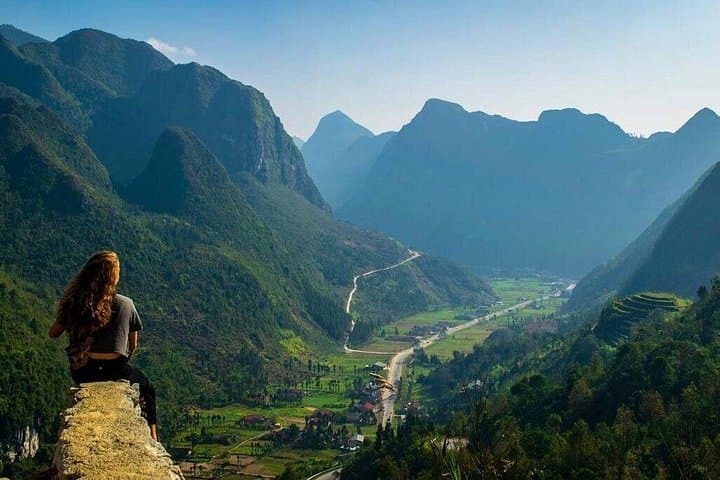
This four-day loop moves through the Dong Van Karst Plateau Geopark, an area recognized for its ancient limestone, jagged karst towers and deep Tu San gorge. The region’s geology records millions of years of uplift and erosion; culturally, it’s a mosaic of H’mong, Dao and other ethnic groups whose traditional crafts and architecture shape village life. Visits include Bac Sum slope, Quan Ba Heaven Gate, Lung Cam cultural village and the exhilaration of Ma Pi Leng pass and the Tu San canyon boat stretch.
Expect short village treks, slow drives across hairpin passes, market wandering and a boat ride in a canyon where the river seems to dare you to look deeper. Accommodation alternates between simple hotels and homestays; meals highlight local rice, mountain vegetables and regional specialties like black-chicken hotpot.
Practical guidance: pack layers for temperature swings, waterproof gear for sudden mountain rain, sturdy shoes for uneven village trails, and cash for small purchases and borderland permission fees. Travel light on day hikes and be culturally respectful — ask before photographing people and follow guide instructions on border rules. Time your days to catch early markets and late-afternoon light on the karst peaks for the best photography and quieter trails.
Foreigners require a borderland permission fee included in this tour’s inclusions; guides handle the paperwork but carry your passport copy and original when requested.
Most walks are short village treks on uneven terrain; the tour is listed as physically easy but expect stairs and slopes at viewpoints.
Accommodations alternate between simple hotels and local homestays—comfortable but basic, with hot water in most places and shared facilities in some villages.
Spring and fall offer cooler, clearer weather and blooming/harvest scenes; summer can be wet, and winter brings colder mornings and occasional frost at high passes.
Tiger Trail Travel operates guided outdoor trips and adventures with an emphasis on safety, stewardship, and memorable experiences.
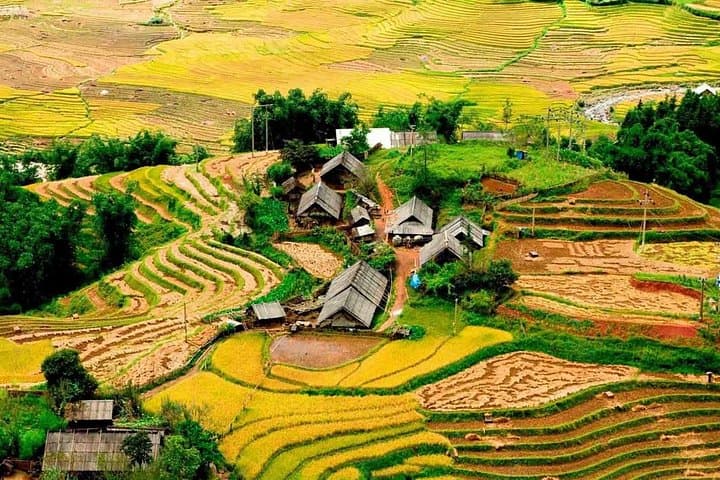


You arrive before dawn on a ribbon of mountain road as mist peels off limestone ribs and the driver hums toward Ha Giang’s high plateaus. Terraced fields and scattered wooden stilt houses emerge like chapters in a living atlas — children wave, water tumbles down gullies, and the wind presses the scent of wet earth into your jacket.
You arrive before dawn on a ribbon of mountain road as mist peels off limestone ribs and the driver hums toward Ha Giang’s high plateaus. Terraced fields and scattered wooden stilt houses emerge like chapters in a living atlas — children wave, water tumbles down gullies, and the wind presses the scent of wet earth into your jacket.
This four-day loop moves through the Dong Van Karst Plateau Geopark, an area recognized for its ancient limestone, jagged karst towers and deep Tu San gorge. The region’s geology records millions of years of uplift and erosion; culturally, it’s a mosaic of H’mong, Dao and other ethnic groups whose traditional crafts and architecture shape village life. Visits include Bac Sum slope, Quan Ba Heaven Gate, Lung Cam cultural village and the exhilaration of Ma Pi Leng pass and the Tu San canyon boat stretch.
Expect short village treks, slow drives across hairpin passes, market wandering and a boat ride in a canyon where the river seems to dare you to look deeper. Accommodation alternates between simple hotels and homestays; meals highlight local rice, mountain vegetables and regional specialties like black-chicken hotpot.
Practical guidance: pack layers for temperature swings, waterproof gear for sudden mountain rain, sturdy shoes for uneven village trails, and cash for small purchases and borderland permission fees. Travel light on day hikes and be culturally respectful — ask before photographing people and follow guide instructions on border rules. Time your days to catch early markets and late-afternoon light on the karst peaks for the best photography and quieter trails.