THE ADVENTURE COLLECTIVE® · Independent discovery and booking for outdoor travel

Ride narrow mountain passes, trace the turquoise Nho Que River and visit Lung Cu flagpole on a four-day motorbike loop through Vietnam’s Dong Van Karst Plateau. This trip pairs dramatic geology with living ethnic culture and practical, ride-ready logistics.
Ride narrow mountain passes, trace the turquoise Nho Que River and visit Lung Cu flagpole on a four-day motorbike loop through Vietnam’s Dong Van Karst Plateau. This trip pairs dramatic geology with living ethnic culture and practical, ride-ready logistics.
You crest a pass and the road falls away into a gorge—switchbacks carving the limestone like stitches. Wind pushes against your helmet; the Nho Que River glints far below. Over four days this motorbike loop threads through Ha Giang province’s highlands: Bac Sum and Tham Ma passes, Quan Ba Heaven Gate, Ma Pi Leng, Lung Cu flagpole and the Vuong (Hmong King) Palace.
Verified experiences and guided adventures in the surrounding area.
Operated by Local Tours Around Viet Nam · Ha Giang, Ha Giang Province
You crest a pass and the road falls away into a gorge—switchbacks carving the limestone like stitches. Wind pushes against your helmet; the Nho Que River glints far below. Over four days this motorbike loop threads through Ha Giang province’s highlands: Bac Sum and Tham Ma passes, Quan Ba Heaven Gate, Ma Pi Leng, Lung Cu flagpole and the Vuong (Hmong King) Palace.
The Dong Van Karst Plateau, now a UNESCO Global Geopark, records hundreds of millions of years of limestone uplift and erosion; cliffs, pinnacles and terraced fields reveal both geology and the agricultural rhythms of Hmong, Tay and Lo Lo communities. Villages like Lung Cam and Nam Dam preserve earthen houses and seasonal festivals; markets on Sunday mornings are a practical window into local life.
Expect steep, narrow mountain roads, frequent switchbacks and stretches of gravel or patched asphalt. Elevations commonly range from about 1,200–2,000 m—Ma Pi Leng reaches near 2,000 m—so temperatures swing from cool mornings to strong sun at midday. The tour typically begins with an overnight sleeper bus from Hanoi, includes motorbike with driver and English guide, and covers entrance fees for key sites plus several meals.
Practical guidance: wear a layered jacket and sturdy shoes, carry water and sun protection, and plan for limited mobile signal on remote segments. Ride conservatively on blind curves; if you’re a passenger, communicate with your driver about stops and pace. With respect for village etiquette and basic off-road awareness, this loop delivers bold vistas and close-up cultural encounters without extreme technical demands.
No—this tour provides a motorbike and a driver; participants typically ride as passengers, which suits those without riding experience.
Ha Giang’s highlands are cool year-round, with temperatures from near freezing in winter mornings to warm sun in summer; heavy rain can occur in the monsoon (May–Sept).
Yes if you can sit for several hours and manage short walks; notify the operator of mobility concerns so they can arrange appropriate pickup and pacing.
Key entrance fees (Pao’s house, Hmong King Palace, Lung Cu flag) and most meals listed are included; confirm specifics with the operator before booking.
Local Tours Around Viet Nam operates guided outdoor trips and adventures with an emphasis on safety, stewardship, and memorable experiences.

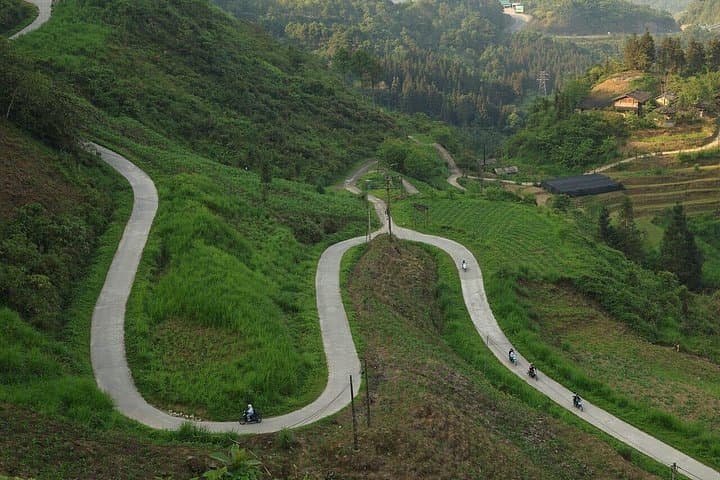
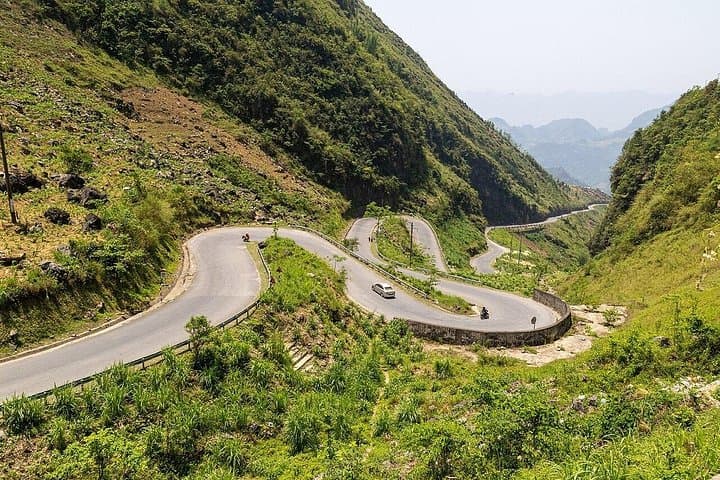
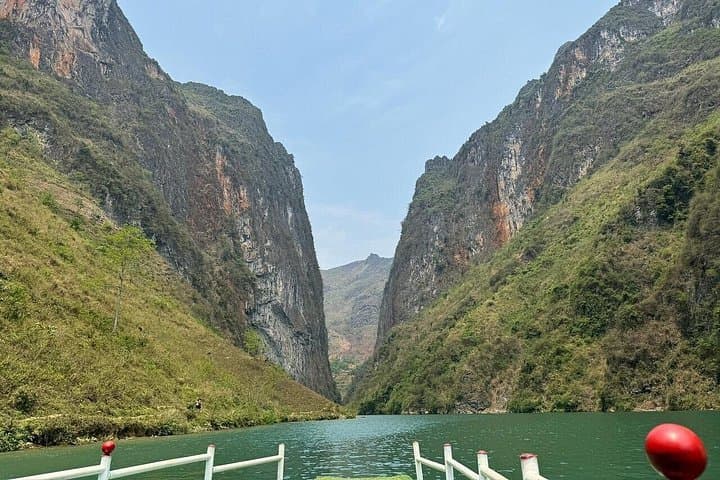
You crest a pass and the road falls away into a gorge—switchbacks carving the limestone like stitches. Wind pushes against your helmet; the Nho Que River glints far below. Over four days this motorbike loop threads through Ha Giang province’s highlands: Bac Sum and Tham Ma passes, Quan Ba Heaven Gate, Ma Pi Leng, Lung Cu flagpole and the Vuong (Hmong King) Palace.
You crest a pass and the road falls away into a gorge—switchbacks carving the limestone like stitches. Wind pushes against your helmet; the Nho Que River glints far below. Over four days this motorbike loop threads through Ha Giang province’s highlands: Bac Sum and Tham Ma passes, Quan Ba Heaven Gate, Ma Pi Leng, Lung Cu flagpole and the Vuong (Hmong King) Palace.
The Dong Van Karst Plateau, now a UNESCO Global Geopark, records hundreds of millions of years of limestone uplift and erosion; cliffs, pinnacles and terraced fields reveal both geology and the agricultural rhythms of Hmong, Tay and Lo Lo communities. Villages like Lung Cam and Nam Dam preserve earthen houses and seasonal festivals; markets on Sunday mornings are a practical window into local life.
Expect steep, narrow mountain roads, frequent switchbacks and stretches of gravel or patched asphalt. Elevations commonly range from about 1,200–2,000 m—Ma Pi Leng reaches near 2,000 m—so temperatures swing from cool mornings to strong sun at midday. The tour typically begins with an overnight sleeper bus from Hanoi, includes motorbike with driver and English guide, and covers entrance fees for key sites plus several meals.
Practical guidance: wear a layered jacket and sturdy shoes, carry water and sun protection, and plan for limited mobile signal on remote segments. Ride conservatively on blind curves; if you’re a passenger, communicate with your driver about stops and pace. With respect for village etiquette and basic off-road awareness, this loop delivers bold vistas and close-up cultural encounters without extreme technical demands.