THE ADVENTURE COLLECTIVE® · Independent discovery and booking for outdoor travel

Trade Hanoi’s bustle for highland switchbacks and karst ridgelines on a 2–3 day Ha Giang loop. Expect dramatic passes, village markets, and a deep canyon boat ride on the Nho Que.
Trade Hanoi’s bustle for highland switchbacks and karst ridgelines on a 2–3 day Ha Giang loop. Expect dramatic passes, village markets, and a deep canyon boat ride on the Nho Que.
A low-slung bus slides out of Hanoi into night and the plains give way to a ragged silhouette of karst towers. By dawn you arrive in Ha Giang, where mist drapes over switchbacks and Ma Pi Leng pass cuts the mountains like a raw seam. The road here commands attention; cliffs drop toward the Nho Que river and villages cling to ledges.
Verified experiences and guided adventures in the surrounding area.
Operated by Tiger Trail Travel · Ha Giang, Ha Giang Province
A low-slung bus slides out of Hanoi into night and the plains give way to a ragged silhouette of karst towers. By dawn you arrive in Ha Giang, where mist drapes over switchbacks and Ma Pi Leng pass cuts the mountains like a raw seam. The road here commands attention; cliffs drop toward the Nho Que river and villages cling to ledges.
The route follows the Dong Van Karst Plateau — a UNESCO-recognized landscape shaped by limestone uplift and millennia of weathering. Local Hmong, Tay and Dao communities maintain textile, brocade and culinary traditions you’ll see in market stalls and family homes. Lung Cam and Lung Tam villages offer a close view of these crafts, while Lung Cu Flag Tower marks Vietnam’s northernmost border and the area’s complex frontier history.
Geologically, the plateau’s stony ridges and deep canyons (Tu San gorge plunges roughly 700–900m) create sudden panoramas: Ma Pi Leng’s 21 km ribbon of road and the Nho Que below are the trip’s highlights. Culturally, expect market mornings, woven brocade demonstrations and temples tied to clan histories.
Practical side: this is a transport-heavy, short-hikes-and-sightseeing itinerary — long roadside vistas interspersed with short walks, boat time on the Nho Que, and village visits. Pack layered clothing for alpine chills, sturdy shoes for uneven village terrain, and cash for markets. Start early for Ma Pi Leng at sunrise, carry water for stretches between stops, and allow time to acclimate to altitude and winding roads. The journey rewards patient travelers with raw, highland scenery and intimate cultural encounters.
Most tours include overnight bus transfers from Hanoi (My Dinh area) that depart in the evening and arrive early morning; private transfers are also possible.
The itinerary involves long bus trips and some uneven walking; it’s generally suitable for families but not recommended for those with serious mobility or cardiovascular issues.
According to the itinerary, tickets for included destinations and the boat on the Nho Que are covered; confirm specifics with the operator before booking.
Local tour guides typically speak Vietnamese and may offer basic English; confirm language options if you require fluent English interpretation.
Tiger Trail Travel operates guided outdoor trips and adventures with an emphasis on safety, stewardship, and memorable experiences.


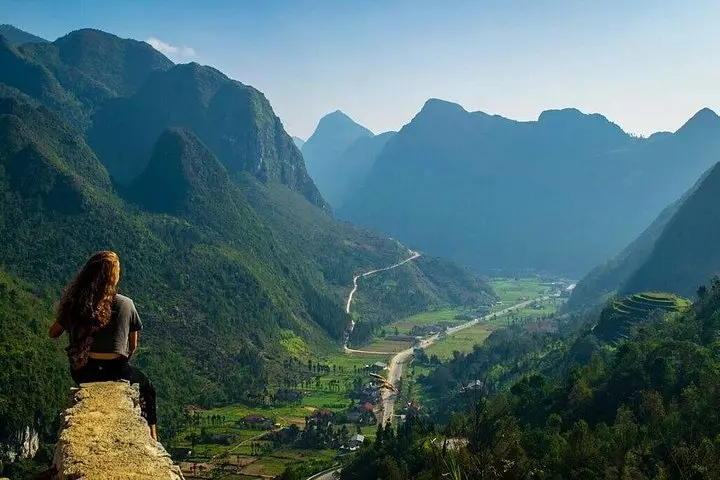
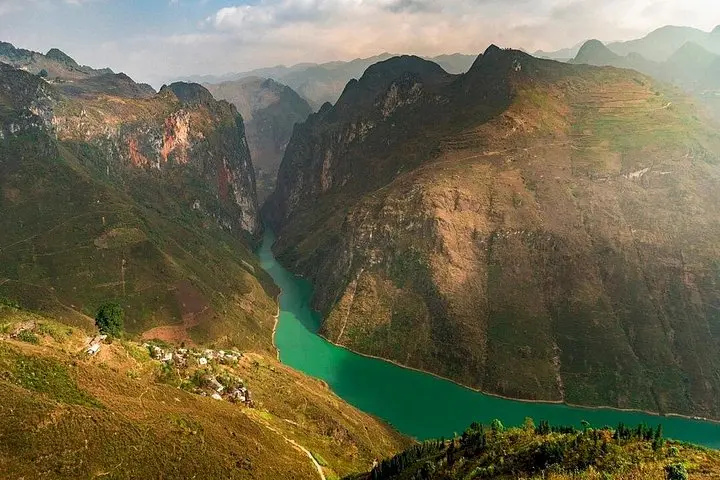
A low-slung bus slides out of Hanoi into night and the plains give way to a ragged silhouette of karst towers. By dawn you arrive in Ha Giang, where mist drapes over switchbacks and Ma Pi Leng pass cuts the mountains like a raw seam. The road here commands attention; cliffs drop toward the Nho Que river and villages cling to ledges.
A low-slung bus slides out of Hanoi into night and the plains give way to a ragged silhouette of karst towers. By dawn you arrive in Ha Giang, where mist drapes over switchbacks and Ma Pi Leng pass cuts the mountains like a raw seam. The road here commands attention; cliffs drop toward the Nho Que river and villages cling to ledges.
The route follows the Dong Van Karst Plateau — a UNESCO-recognized landscape shaped by limestone uplift and millennia of weathering. Local Hmong, Tay and Dao communities maintain textile, brocade and culinary traditions you’ll see in market stalls and family homes. Lung Cam and Lung Tam villages offer a close view of these crafts, while Lung Cu Flag Tower marks Vietnam’s northernmost border and the area’s complex frontier history.
Geologically, the plateau’s stony ridges and deep canyons (Tu San gorge plunges roughly 700–900m) create sudden panoramas: Ma Pi Leng’s 21 km ribbon of road and the Nho Que below are the trip’s highlights. Culturally, expect market mornings, woven brocade demonstrations and temples tied to clan histories.
Practical side: this is a transport-heavy, short-hikes-and-sightseeing itinerary — long roadside vistas interspersed with short walks, boat time on the Nho Que, and village visits. Pack layered clothing for alpine chills, sturdy shoes for uneven village terrain, and cash for markets. Start early for Ma Pi Leng at sunrise, carry water for stretches between stops, and allow time to acclimate to altitude and winding roads. The journey rewards patient travelers with raw, highland scenery and intimate cultural encounters.