THE ADVENTURE COLLECTIVE® · Independent discovery and booking for outdoor travel

A four-day loop from Hanoi into Ha Giang’s karst plateau, combining high mountain passes, Dong Van’s old quarter, Ma Pi Leng view and a boat through Tu San canyon. Long drives, short hikes and deep cultural encounters make this a compact frontier adventure.
A four-day loop from Hanoi into Ha Giang’s karst plateau, combining high mountain passes, Dong Van’s old quarter, Ma Pi Leng view and a boat through Tu San canyon. Long drives, short hikes and deep cultural encounters make this a compact frontier adventure.
You arrive before dawn on a road that keeps giving: hairpin after hairpin climbs into limestone ridges that push the clouds aside. The bus hums, locals sell steaming bowls at village edges, and the first glimpse of the karst plateau—abrupt, angular, and raw—makes the hours worthwhile.
Verified experiences and guided adventures in the surrounding area.
Operated by Vinadu · Ha Giang, Ha Giang Province
You arrive before dawn on a road that keeps giving: hairpin after hairpin climbs into limestone ridges that push the clouds aside. The bus hums, locals sell steaming bowls at village edges, and the first glimpse of the karst plateau—abrupt, angular, and raw—makes the hours worthwhile.
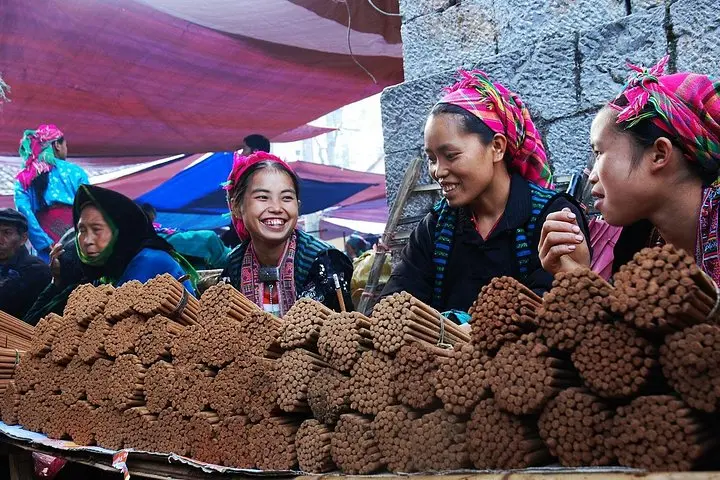
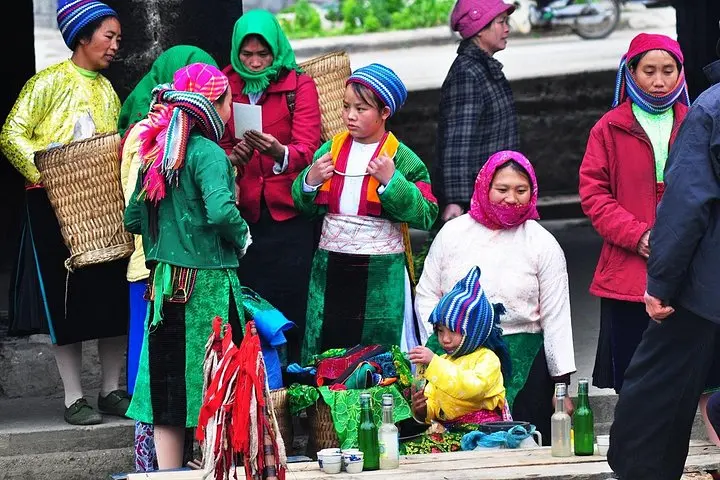
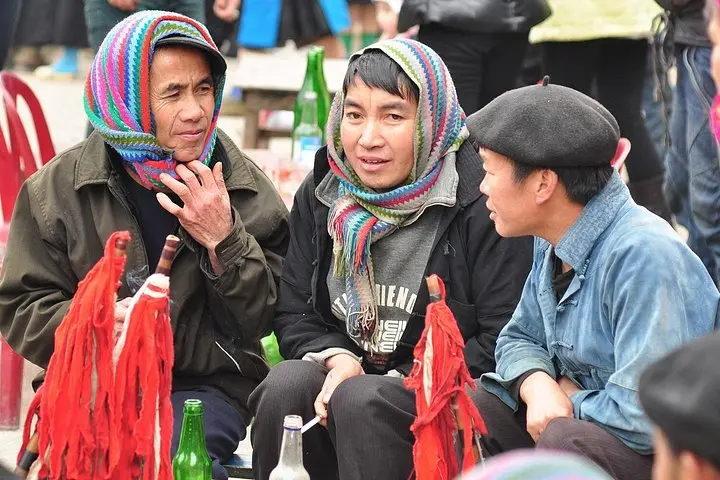
This four-day itinerary threads Hanoi to Ha Giang city, Dong Van and Meo Vac through the Dong Van Karst Plateau Geopark. The land is geologically young in appearance but ancient in formation: uplifted Ordovician limestone carved by wind and water into spires, passes and sheer canyons like Ma Pi Leng. Cultural layers are as visible as the strata—H’mong and Dao communities keep traditional dress, markets and stilt houses alive; Lung Cam and Sa Phin recall regional histories and frontier life.
Expect long vehicle transfers broken by short treks, market walks and a boat on the Nho Que River through Tu San canyon. Nature asserts itself here: the pass winds dare you, and the canyon currents push the eye toward distant peaks. Accommodations are town hotels and a night in Dong Van’s old quarter where narrow alleys and local cuisine—black chicken hotpot, banh cuon doi—anchor the journey in place.
Practical guidance: pack for variable weather and long days on the road, allow time for altitude-related fatigue, and carry cash—remote villages have limited card options. Bring a compact daypack for market stops and short hikes, and schedule flexible time for photography at viewpoints such as Bac Sum and Quan Ba Heaven Gate.
Yes—there is a borderland permission fee for foreigners (listed on the tour inclusions); the operator handles this as part of the package.
Expect multiple long transfers—some days include several hours on mountain roads with frequent viewpoint stops, so bring motion-sickness remedies if needed.
Yes—this tour includes accommodations (hotel nights in Ha Giang and Dong Van) and most meals as specified in the itinerary (breakfasts, lunches and dinners noted per day).
The river boat ride is generally calm but can be affected by seasonal water levels; operators provide basic safety instructions—children and those with mobility issues should check in advance.
Vinadu operates guided outdoor trips and adventures with an emphasis on safety, stewardship, and memorable experiences.

You arrive before dawn on a road that keeps giving: hairpin after hairpin climbs into limestone ridges that push the clouds aside. The bus hums, locals sell steaming bowls at village edges, and the first glimpse of the karst plateau—abrupt, angular, and raw—makes the hours worthwhile.
You arrive before dawn on a road that keeps giving: hairpin after hairpin climbs into limestone ridges that push the clouds aside. The bus hums, locals sell steaming bowls at village edges, and the first glimpse of the karst plateau—abrupt, angular, and raw—makes the hours worthwhile.
This four-day itinerary threads Hanoi to Ha Giang city, Dong Van and Meo Vac through the Dong Van Karst Plateau Geopark. The land is geologically young in appearance but ancient in formation: uplifted Ordovician limestone carved by wind and water into spires, passes and sheer canyons like Ma Pi Leng. Cultural layers are as visible as the strata—H’mong and Dao communities keep traditional dress, markets and stilt houses alive; Lung Cam and Sa Phin recall regional histories and frontier life.
Expect long vehicle transfers broken by short treks, market walks and a boat on the Nho Que River through Tu San canyon. Nature asserts itself here: the pass winds dare you, and the canyon currents push the eye toward distant peaks. Accommodations are town hotels and a night in Dong Van’s old quarter where narrow alleys and local cuisine—black chicken hotpot, banh cuon doi—anchor the journey in place.
Practical guidance: pack for variable weather and long days on the road, allow time for altitude-related fatigue, and carry cash—remote villages have limited card options. Bring a compact daypack for market stops and short hikes, and schedule flexible time for photography at viewpoints such as Bac Sum and Quan Ba Heaven Gate.