THE ADVENTURE COLLECTIVE® · Independent discovery and booking for outdoor travel

A three-day loop through Ha Giang’s Dong Van Karst Plateau that pairs dramatic limestone passes with living ethnic culture. Expect long drives, short hikes, a Nho Que river boat trip, and immersive village visits.
A three-day loop through Ha Giang’s Dong Van Karst Plateau that pairs dramatic limestone passes with living ethnic culture. Expect long drives, short hikes, a Nho Que river boat trip, and immersive village visits.
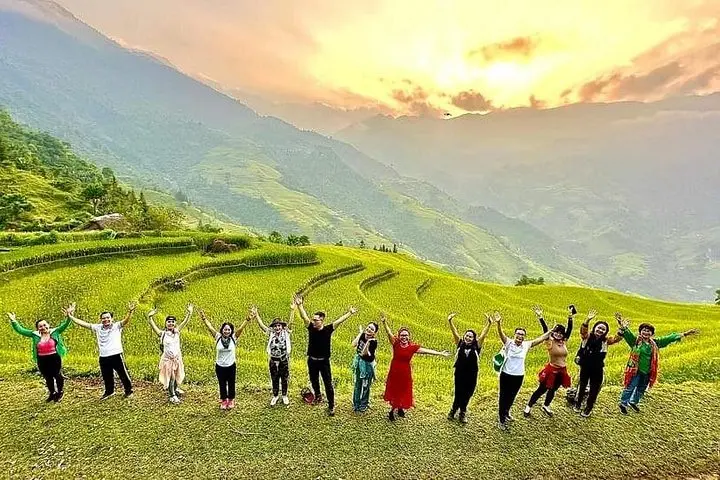
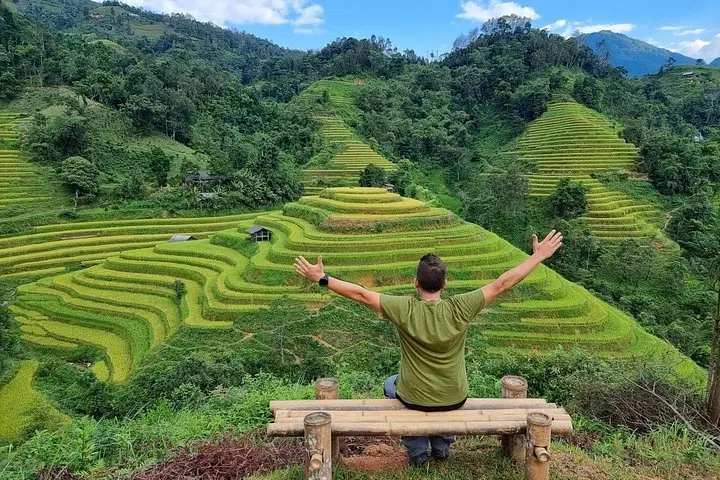
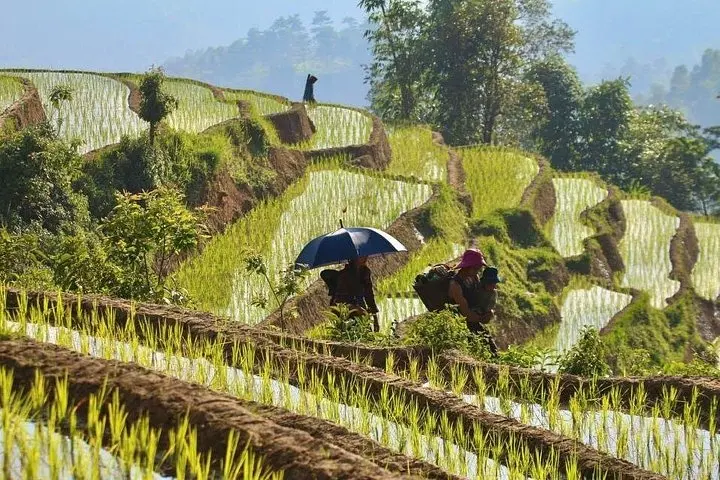
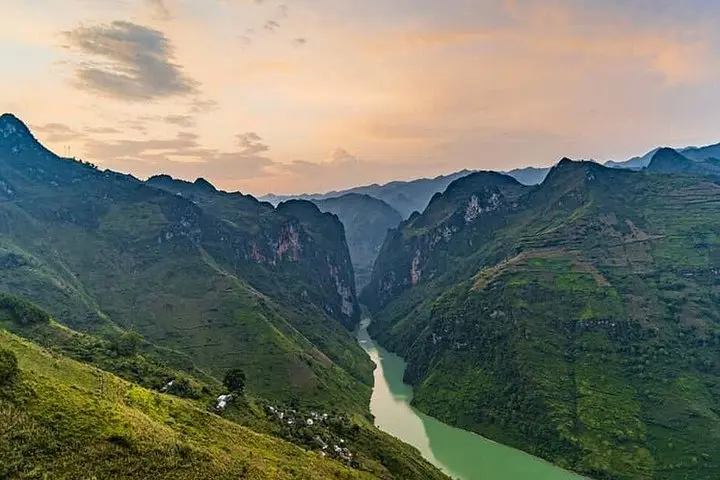
You step off the night bus with the cold mountain air pushing at your jacket, stars still dim behind serrated limestone ribs. Headlights carve the road as the convoy crests a pass; below, the Nho Que river threads the canyon like a silver knife. Over three days the landscape keeps changing—soft green terraces, skeletal karst towers, gravel roads that demand attention and pay you back with views that expand every time you turn.
Verified experiences and guided adventures in the surrounding area.
Operated by Chat Tourist · Dong Van, Ha Giang
You step off the night bus with the cold mountain air pushing at your jacket, stars still dim behind serrated limestone ribs. Headlights carve the road as the convoy crests a pass; below, the Nho Que river threads the canyon like a silver knife. Over three days the landscape keeps changing—soft green terraces, skeletal karst towers, gravel roads that demand attention and pay you back with views that expand every time you turn.
This tour follows the Dong Van Karst Plateau Geopark, a UNESCO-recognized region shaped by ancient limestone uplift and millennia of erosion. The route threads Quan Ba’s Heaven Gate, the sharp sweep of the Tham Ma slopes, and Ma Pi Leng Pass—one of Vietnam’s highest and most panoramic roads—before reaching Lung Cu Flag Tower near the Chinese border. Ethnic Hmong, Tay and Dao communities maintain textile, brocade and culinary traditions; visits to Lung Tam and the H’mong King Palace add cultural context to the geology.
Expect short village walks, roadside viewpoints, a regulated boat ride on the Nho Que through Tu San canyon, and two nights of basic local accommodation in Dong Van. Bring layered, waterproof clothing and good ankle-support shoes for uneven village paths. Hydrate on long bus transfers and plan to move deliberately at altitude—sunrise and late afternoon yield the best light and cooler temperatures. Photography is excellent but respect local customs when entering homes or taking portraits.
Practical: the itinerary includes transport from Hanoi, most meals listed, entrance fees and a local guide; it’s best suited to travelers with moderate fitness and a tolerance for long drives and bumpy mountain roads.
Physical demands are moderate: most movement is short walks in villages and viewpoints; the main challenge is long bus transfers and some steep stairs at sites like Lung Cu.
Yes—one night at a 2-star hotel in Dong Van is included; the second night is also in local accommodation as described in the itinerary.
Yes, but always ask permission first—many communities value privacy and may request a small fee for posed portraits.
The boat trip is a regulated activity included in the tour; wear provided safety gear and follow the guide’s instructions, especially in canyon sections.
Chat Tourist operates guided outdoor trips and adventures with an emphasis on safety, stewardship, and memorable experiences.
You step off the night bus with the cold mountain air pushing at your jacket, stars still dim behind serrated limestone ribs. Headlights carve the road as the convoy crests a pass; below, the Nho Que river threads the canyon like a silver knife. Over three days the landscape keeps changing—soft green terraces, skeletal karst towers, gravel roads that demand attention and pay you back with views that expand every time you turn.
You step off the night bus with the cold mountain air pushing at your jacket, stars still dim behind serrated limestone ribs. Headlights carve the road as the convoy crests a pass; below, the Nho Que river threads the canyon like a silver knife. Over three days the landscape keeps changing—soft green terraces, skeletal karst towers, gravel roads that demand attention and pay you back with views that expand every time you turn.
This tour follows the Dong Van Karst Plateau Geopark, a UNESCO-recognized region shaped by ancient limestone uplift and millennia of erosion. The route threads Quan Ba’s Heaven Gate, the sharp sweep of the Tham Ma slopes, and Ma Pi Leng Pass—one of Vietnam’s highest and most panoramic roads—before reaching Lung Cu Flag Tower near the Chinese border. Ethnic Hmong, Tay and Dao communities maintain textile, brocade and culinary traditions; visits to Lung Tam and the H’mong King Palace add cultural context to the geology.
Expect short village walks, roadside viewpoints, a regulated boat ride on the Nho Que through Tu San canyon, and two nights of basic local accommodation in Dong Van. Bring layered, waterproof clothing and good ankle-support shoes for uneven village paths. Hydrate on long bus transfers and plan to move deliberately at altitude—sunrise and late afternoon yield the best light and cooler temperatures. Photography is excellent but respect local customs when entering homes or taking portraits.
Practical: the itinerary includes transport from Hanoi, most meals listed, entrance fees and a local guide; it’s best suited to travelers with moderate fitness and a tolerance for long drives and bumpy mountain roads.