THE ADVENTURE COLLECTIVE® · Independent discovery and booking for outdoor travel

A compact, three-day circuit from Hanoi that threads the Dong Van Karst Plateau’s limestone towers, Ma Pi Leng Pass and the Nho Que river gorge. Expect long drives, village visits, a dramatic canyon boat ride and simple shared lodging.
A compact, three-day circuit from Hanoi that threads the Dong Van Karst Plateau’s limestone towers, Ma Pi Leng Pass and the Nho Que river gorge. Expect long drives, village visits, a dramatic canyon boat ride and simple shared lodging.
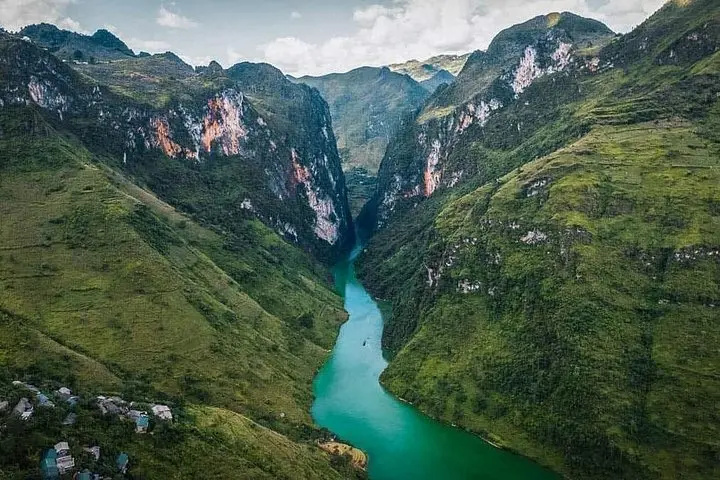
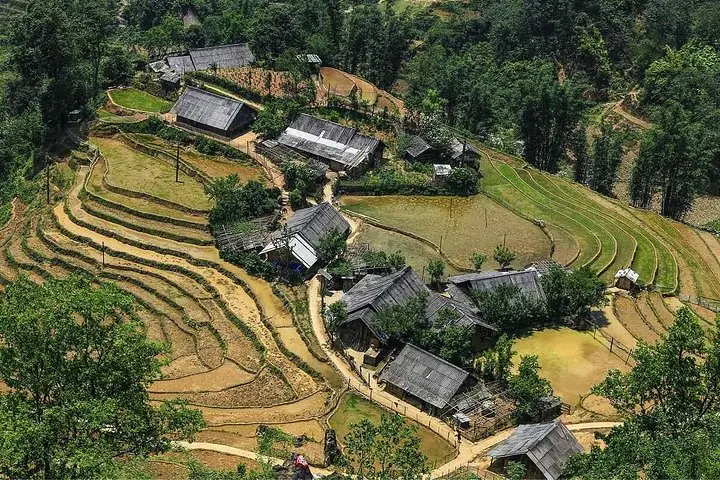
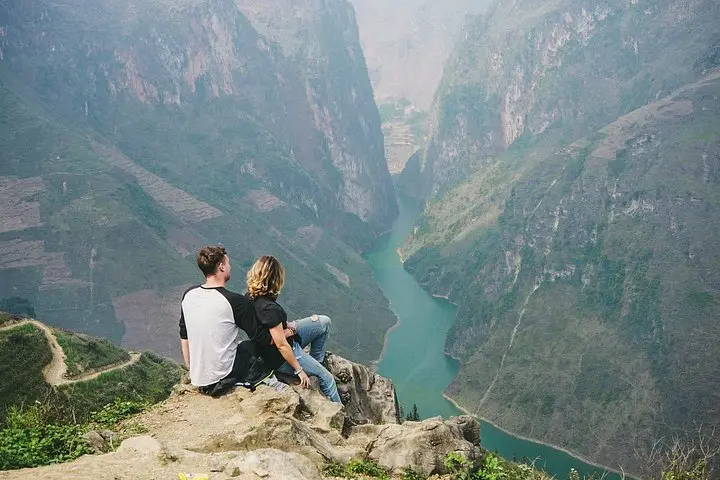
The bus drops you into a night shrouded by mountain air and the low hum of a frontier town—Ha Giang’s lamps blink like waypoints before the road climbs into limestone ribs. By dawn the landscape opens: ragged karst towers, terraced fields clinging to steep slopes, and the ribbon of the Ma Pi Leng road carving through clouds.
Verified experiences and guided adventures in the surrounding area.
Operated by Before2 · Dong Van, Ha Giang
The bus drops you into a night shrouded by mountain air and the low hum of a frontier town—Ha Giang’s lamps blink like waypoints before the road climbs into limestone ribs. By dawn the landscape opens: ragged karst towers, terraced fields clinging to steep slopes, and the ribbon of the Ma Pi Leng road carving through clouds.
This three-day circuit follows a geology lesson written in stone. The Dong Van Karst Plateau records hundreds of millions of years of marine deposition and tectonic uplift, producing sheer cliffs, deep canyons and the Tu San gorge—one of Southeast Asia’s deepest. Cultural layers are as vivid: Hmong, Tay and Dao villages scatter the plateaus, their brocade and house styles reflecting centuries of upland life and frontier trade.
Travelers can expect long days on a shared minibus, short village hikes, a motorable pass famed for vertiginous viewpoints, and a calm boat ride on the Nho Que river through Tu San canyon. Accommodations are basic—shared rooms in Dong Van—with authentic regional meals like thang co or black chicken hotpot.
Practical guidance: bring warm, windproof layers for high passes, a reliable rain jacket for sudden storms, and sturdy shoes for uneven village lanes. Hydrate and plan for altitude-related tiredness; pacing matters on winding roads. Respect local customs—ask before photographing and support village craft stalls.
This trip rewards travelers who like their scenery raw and their logistics straightforward: long drives, compact hikes, and decisive views where the plateau meets the sky.
Yes—round-trip bus transfers between Hanoi and Ha Giang are included as part of the itinerary.
Night one is at a 2-star shared-room hotel in Dong Van; facilities are basic but centrally located.
Operators provide life jackets and the river section used is suitable for standard tourist boats; non-swimmers should still exercise caution.
Lunches, breakfasts and some dinners are included as listed; regional specialties are offered but bring snacks for long travel segments.
Before2 operates guided outdoor trips and adventures with an emphasis on safety, stewardship, and memorable experiences.

The bus drops you into a night shrouded by mountain air and the low hum of a frontier town—Ha Giang’s lamps blink like waypoints before the road climbs into limestone ribs. By dawn the landscape opens: ragged karst towers, terraced fields clinging to steep slopes, and the ribbon of the Ma Pi Leng road carving through clouds.
The bus drops you into a night shrouded by mountain air and the low hum of a frontier town—Ha Giang’s lamps blink like waypoints before the road climbs into limestone ribs. By dawn the landscape opens: ragged karst towers, terraced fields clinging to steep slopes, and the ribbon of the Ma Pi Leng road carving through clouds.
This three-day circuit follows a geology lesson written in stone. The Dong Van Karst Plateau records hundreds of millions of years of marine deposition and tectonic uplift, producing sheer cliffs, deep canyons and the Tu San gorge—one of Southeast Asia’s deepest. Cultural layers are as vivid: Hmong, Tay and Dao villages scatter the plateaus, their brocade and house styles reflecting centuries of upland life and frontier trade.
Travelers can expect long days on a shared minibus, short village hikes, a motorable pass famed for vertiginous viewpoints, and a calm boat ride on the Nho Que river through Tu San canyon. Accommodations are basic—shared rooms in Dong Van—with authentic regional meals like thang co or black chicken hotpot.
Practical guidance: bring warm, windproof layers for high passes, a reliable rain jacket for sudden storms, and sturdy shoes for uneven village lanes. Hydrate and plan for altitude-related tiredness; pacing matters on winding roads. Respect local customs—ask before photographing and support village craft stalls.
This trip rewards travelers who like their scenery raw and their logistics straightforward: long drives, compact hikes, and decisive views where the plateau meets the sky.