THE ADVENTURE COLLECTIVE® · Independent discovery and booking for outdoor travel

Ride winding passes, trek limestone caves and glide along the Nho Que River on a compact 4‑day loop through Vietnam’s Dong Van Karst Plateau. Expect homestays, short hikes and dramatic canyon views with local ethnic village visits.
Ride winding passes, trek limestone caves and glide along the Nho Que River on a compact 4‑day loop through Vietnam’s Dong Van Karst Plateau. Expect homestays, short hikes and dramatic canyon views with local ethnic village visits.
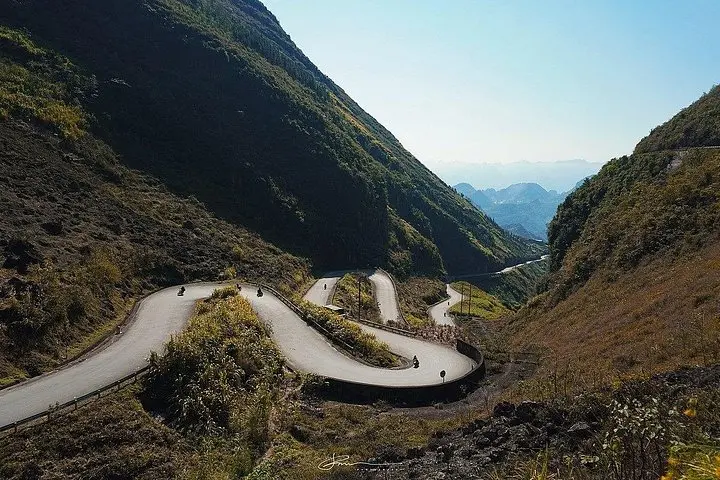
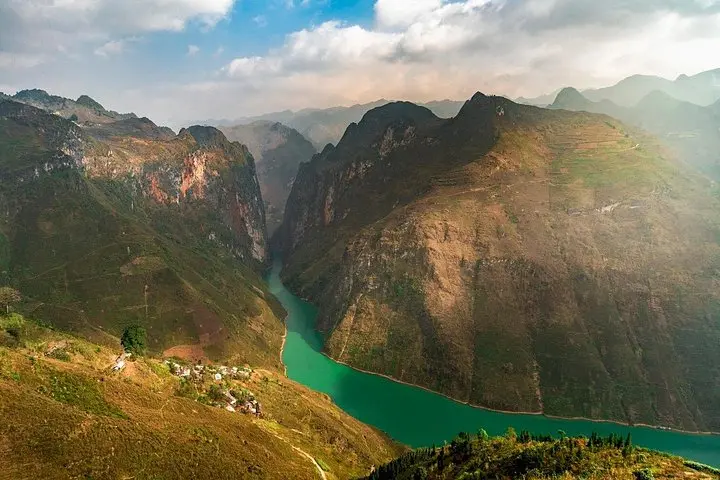
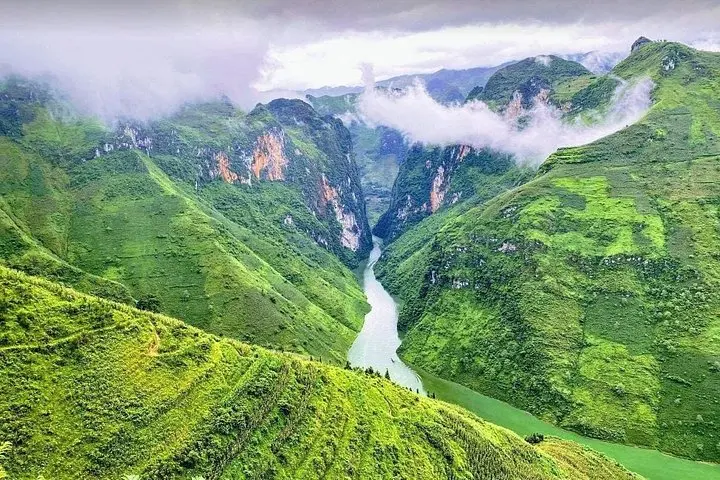
You wake before dawn as the sleeper bus eases into Ha Giang; by midmorning the road has already thinned to hairpin turns and limestone teeth. Motorbikes hum beneath you as the Quan Ba twin peaks slide past, and the wind scrapes clean the valley view. At Ma Pi Leng, the canyon falls away and the Nho Que River dares you to look down.
Verified experiences and guided adventures in the surrounding area.
Operated by Asia Open Tour · Ha Giang, Ha Giang Province
You wake before dawn as the sleeper bus eases into Ha Giang; by midmorning the road has already thinned to hairpin turns and limestone teeth. Motorbikes hum beneath you as the Quan Ba twin peaks slide past, and the wind scrapes clean the valley view. At Ma Pi Leng, the canyon falls away and the Nho Que River dares you to look down.
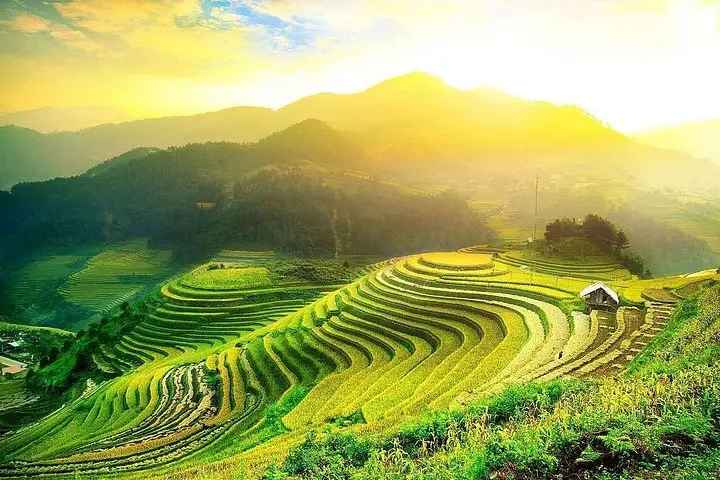
The Dong Van Karst Plateau is a geological archive—limestone folded and eroded over 400 million years, creating pinnacles, caves and deep river-cut canyons. Human history sits on that bedrock: Vuong Palace recalls Hmong princely families of the early 20th century, while scattered Dao, Tay and Hmong villages preserve textiles, terraced rice and oral histories that shape local life.
This 4-day loop mixes easy trekking (short hikes up to caves and viewpoints), cold‑weather boat travel on the Nho Que, and motorbike passages across steep passes like Tham Ma and Mau Due. Homestays and small hotels give a practical base—expect shared dorm rooms and local meals.
Practical tips: pack a waterproof layer and grippy shoes for slippery limestone and waterfall swims, carry water and electrolytes for long riding days, and be prepared for rapid temperature swings between valley and plateau. Helmets and basic safety gear are supplied, but choose a comfortable seat position and keep valuables dry on river sections. Time your visit outside the monsoon for clearer vistas.
This trip balances dramatic viewpoints with cultural encounters—ideal for travelers who want active days, short hikes, and the kind of off‑road riding that leaves you feeling properly remote.
No — guides provide briefings and many tours include an option to ride or be a pillion; basic balance and comfort on winding roads is helpful.
Expect simple homestays and small hotels with shared dorm-style rooms in rural areas; facilities are basic but clean and often include hot meals.
Yes — standard passenger boats are used and life jackets are provided, but avoid standing on unstable banks and follow crew instructions.
Autumn and spring (September–November, March–May) offer clearer skies and milder temperatures; the wet season (June–August) brings heavy rains and slippery roads.
Asia Open Tour operates guided outdoor trips and adventures with an emphasis on safety, stewardship, and memorable experiences.
You wake before dawn as the sleeper bus eases into Ha Giang; by midmorning the road has already thinned to hairpin turns and limestone teeth. Motorbikes hum beneath you as the Quan Ba twin peaks slide past, and the wind scrapes clean the valley view. At Ma Pi Leng, the canyon falls away and the Nho Que River dares you to look down.
You wake before dawn as the sleeper bus eases into Ha Giang; by midmorning the road has already thinned to hairpin turns and limestone teeth. Motorbikes hum beneath you as the Quan Ba twin peaks slide past, and the wind scrapes clean the valley view. At Ma Pi Leng, the canyon falls away and the Nho Que River dares you to look down.
The Dong Van Karst Plateau is a geological archive—limestone folded and eroded over 400 million years, creating pinnacles, caves and deep river-cut canyons. Human history sits on that bedrock: Vuong Palace recalls Hmong princely families of the early 20th century, while scattered Dao, Tay and Hmong villages preserve textiles, terraced rice and oral histories that shape local life.
This 4-day loop mixes easy trekking (short hikes up to caves and viewpoints), cold‑weather boat travel on the Nho Que, and motorbike passages across steep passes like Tham Ma and Mau Due. Homestays and small hotels give a practical base—expect shared dorm rooms and local meals.
Practical tips: pack a waterproof layer and grippy shoes for slippery limestone and waterfall swims, carry water and electrolytes for long riding days, and be prepared for rapid temperature swings between valley and plateau. Helmets and basic safety gear are supplied, but choose a comfortable seat position and keep valuables dry on river sections. Time your visit outside the monsoon for clearer vistas.
This trip balances dramatic viewpoints with cultural encounters—ideal for travelers who want active days, short hikes, and the kind of off‑road riding that leaves you feeling properly remote.