THE ADVENTURE COLLECTIVE® · Independent discovery and booking for outdoor travel

Two days of high-altitude motorbiking through Ha Giang’s karst plateau—Ma Pi Leng, Dong Van town and the Nho Que gorge. Expect winding passes, cultural homestays, and dramatic cliffs that reward cautious riding and early starts.
Two days of high-altitude motorbiking through Ha Giang’s karst plateau—Ma Pi Leng, Dong Van town and the Nho Que gorge. Expect winding passes, cultural homestays, and dramatic cliffs that reward cautious riding and early starts.
The engine rumbles to life in Ha Giang City before dawn and you pull onto a ribbed ribbon of asphalt that climbs into a sprawl of limestone teeth and terraced fields. Cold mountain air bites at your face as the road unwinds—hairpins give way to open ridgelines, and below, the Nho Que River dares you to look over the edge.
Verified experiences and guided adventures in the surrounding area.
Operated by Local Tours ASIA · Ha Giang, Ha Giang Province
The engine rumbles to life in Ha Giang City before dawn and you pull onto a ribbed ribbon of asphalt that climbs into a sprawl of limestone teeth and terraced fields. Cold mountain air bites at your face as the road unwinds—hairpins give way to open ridgelines, and below, the Nho Que River dares you to look over the edge.
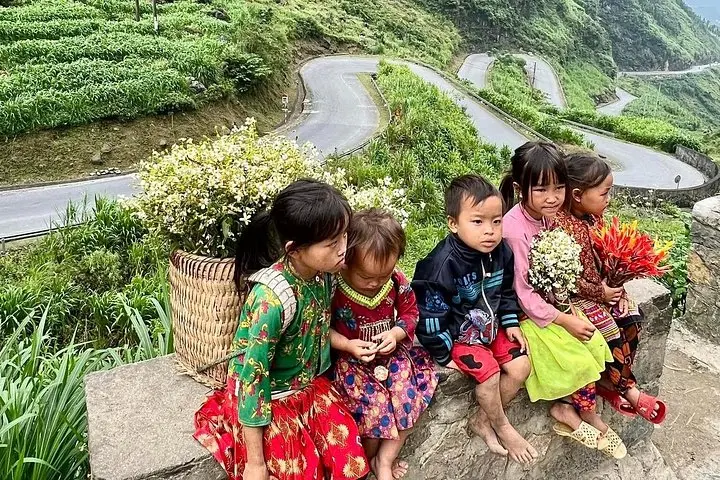
This compact two-day loop hits the region’s high points: Quan Ba Heaven Gate (≈1,500 m), the Dong Van Karst Plateau and the crown jewel, Ma Pi Leng Pass (approaching 2,000 m). Geologically the area is a karst plateau carved from ancient limestone; culturally it’s home to Hmong, Dao and other hill-tribe communities whose woven clothing and stone houses still anchor daily life. The Vuong family mansion offers a rare window into the Hmong aristocracy; homestays let you share evening meals with local families.
Expect roughly 250–350 km of riding over narrow, sometimes uneven mountain roads with steep drop-offs and frequent switchbacks. Weather can change fast—fog, sun, and sudden rain are part of the rhythm. Plan early starts to avoid midday clouds at Ma Pi Leng and to make the most of photography windows over Nho Que.
Practical tips: carry cash and extra fuel, inspect brakes before long descents, and bring layered protective clothing. Whether you ride an easy-rider with a guide or take the bike yourself, keep pace conservative—the landscape rewards slow, attentive travel.
No; options include riding with a trained local driver (easy-rider) or self-riding—specify when booking. Guides can handle rough sections if you prefer to be a passenger.
Expect narrow, winding asphalt with occasional gravel stretches; the 2-day loop covers roughly 250–350 km with long climbs to nearly 2,000 m at Ma Pi Leng.
Most riders tolerate the elevations without issue, but bring layers and stay hydrated; if you have heart or respiratory conditions discuss with your doctor first.
Cell coverage is spotty on ridgelines and some valleys; ATMs are available in Ha Giang and larger towns like Dong Van—carry cash for remote areas.
Local Tours ASIA operates guided outdoor trips and adventures with an emphasis on safety, stewardship, and memorable experiences.
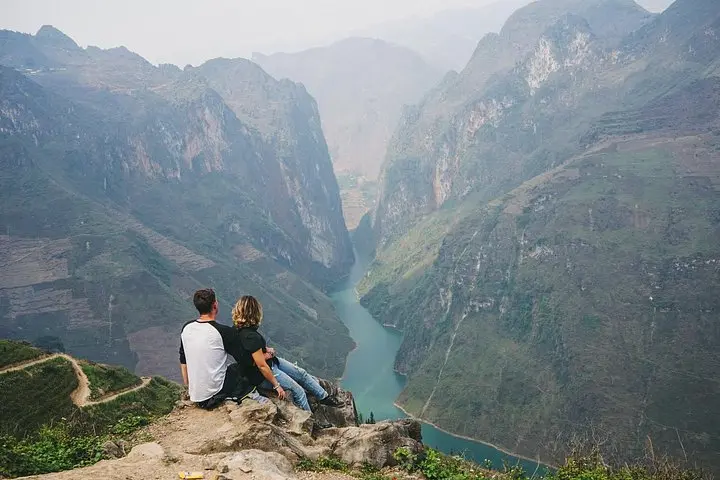
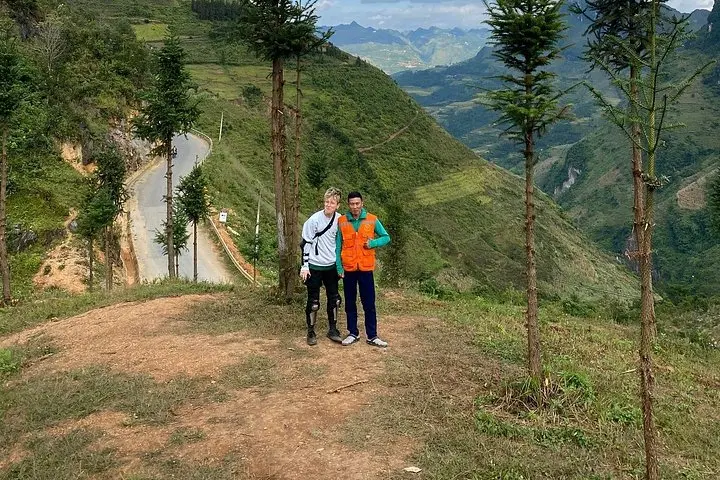
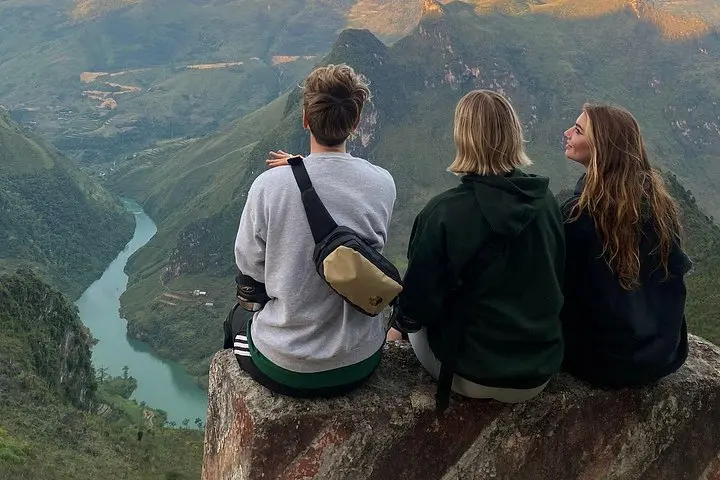
The engine rumbles to life in Ha Giang City before dawn and you pull onto a ribbed ribbon of asphalt that climbs into a sprawl of limestone teeth and terraced fields. Cold mountain air bites at your face as the road unwinds—hairpins give way to open ridgelines, and below, the Nho Que River dares you to look over the edge.
The engine rumbles to life in Ha Giang City before dawn and you pull onto a ribbed ribbon of asphalt that climbs into a sprawl of limestone teeth and terraced fields. Cold mountain air bites at your face as the road unwinds—hairpins give way to open ridgelines, and below, the Nho Que River dares you to look over the edge.
This compact two-day loop hits the region’s high points: Quan Ba Heaven Gate (≈1,500 m), the Dong Van Karst Plateau and the crown jewel, Ma Pi Leng Pass (approaching 2,000 m). Geologically the area is a karst plateau carved from ancient limestone; culturally it’s home to Hmong, Dao and other hill-tribe communities whose woven clothing and stone houses still anchor daily life. The Vuong family mansion offers a rare window into the Hmong aristocracy; homestays let you share evening meals with local families.
Expect roughly 250–350 km of riding over narrow, sometimes uneven mountain roads with steep drop-offs and frequent switchbacks. Weather can change fast—fog, sun, and sudden rain are part of the rhythm. Plan early starts to avoid midday clouds at Ma Pi Leng and to make the most of photography windows over Nho Que.
Practical tips: carry cash and extra fuel, inspect brakes before long descents, and bring layered protective clothing. Whether you ride an easy-rider with a guide or take the bike yourself, keep pace conservative—the landscape rewards slow, attentive travel.