THE ADVENTURE COLLECTIVE® · Independent discovery and booking for outdoor travel

Drive the Ha Giang Loop over three days to reach the Dong Van Karst Plateau, Ma Pi Leng Pass and Lung Cu Flagpole. This car tour combines dramatic limestone scenery, ethnic village visits, and short hikes with comfortable transfers.
Drive the Ha Giang Loop over three days to reach the Dong Van Karst Plateau, Ma Pi Leng Pass and Lung Cu Flagpole. This car tour combines dramatic limestone scenery, ethnic village visits, and short hikes with comfortable transfers.
Tire smoke clears and the road peels away into limestone teeth — Ha Giang announces itself in wide, wind-swept views. Over three days by air-conditioned car, travelers move from the lowland rice terraces into the Dong Van Karst Plateau, where cliffs rise like pages torn from the earth and the Nho Que River dares you to look over the edge.
Verified experiences and guided adventures in the surrounding area.
Operated by Authentic Travel VIETNAM · Ha Giang, Ha Giang Province
Tire smoke clears and the road peels away into limestone teeth — Ha Giang announces itself in wide, wind-swept views. Over three days by air-conditioned car, travelers move from the lowland rice terraces into the Dong Van Karst Plateau, where cliffs rise like pages torn from the earth and the Nho Que River dares you to look over the edge.
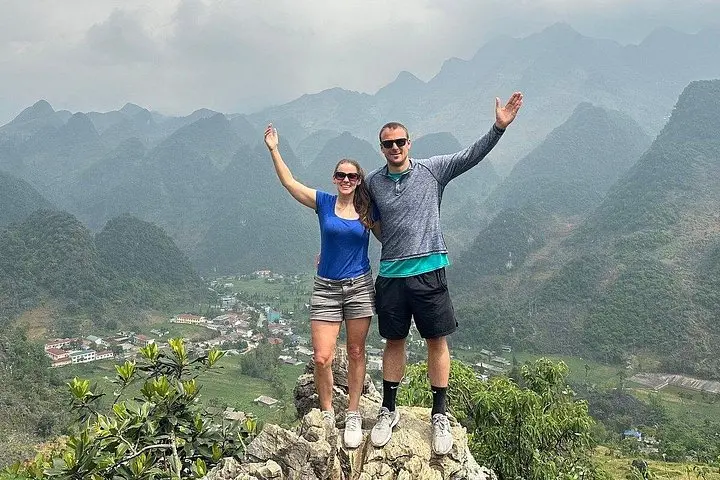
This route threads through layered history: Hmong stone houses, the early 20th-century Dinh Vua Mèo (Hmong King Palace), and Lung Cu Flagpole standing sentinel at Vietnam’s northernmost point. Geologically the plateau is karst — limestone sculpted by millennia of water — producing sheer passes like Ma Pi Leng and hidden caves that punctuate the highlands.
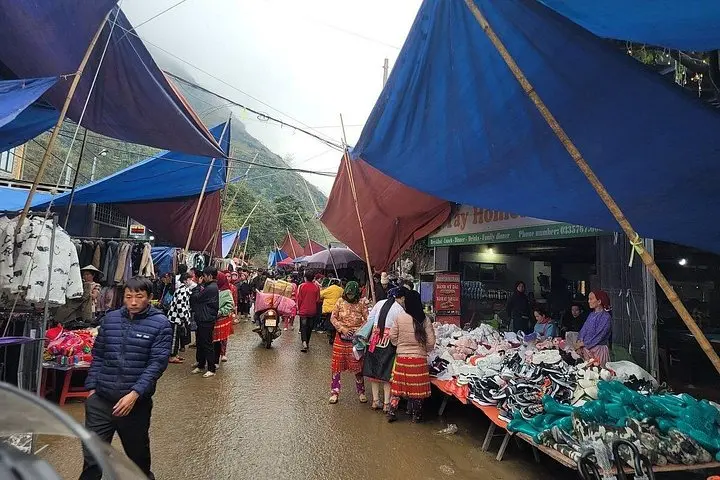
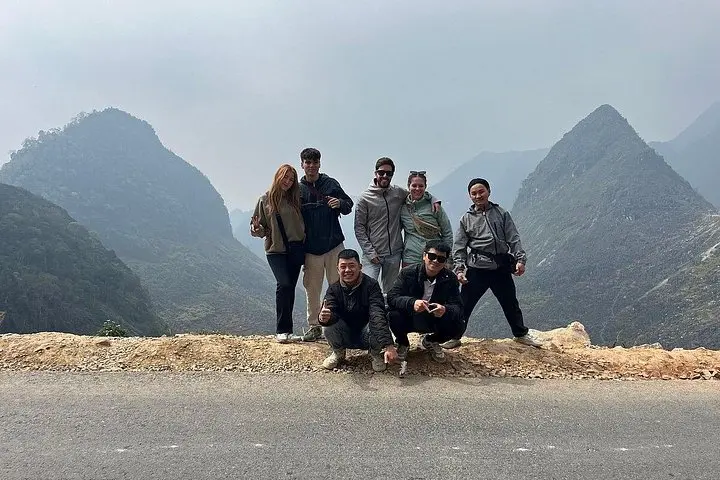
Culturally, markets and homestays offer direct contact with Hmong and Dao communities; small vendors sell salted tea, hand-stitched textiles, and stories. The road itself is the attraction: Can Ty’s serpentine bends, the panoramic Quan Ba Heaven Gate, and the emerald ribbon of the Nho Que below.
Practical side: expect long drives (Hanoi–Ha Giang is ~7 hours by road), short village walks, and basic two‑star hotels or homestays. Roads are narrow and weather can change fast — bring layers, waterproofs, and motion-sickness remedies if you’re sensitive. Photography windows are frequent; plan early starts for softer light and quieter village markets. Hydrate, respect private terraces and local customs, and keep to guided routes — the karst environment is fragile. This tour is ideal for travelers seeking dramatic scenery and cultural encounters without intense trekking.
Pickup is included from central Hanoi locations (Old Quarter or Hanoi Opera House) at the stated start time; confirm your exact pickup point when booking.
Yes—this car tour is rated easy with short, optional walks; however those with serious back or heart conditions should consult their doctor due to long drives and winding roads.
Yes, two nights’ accommodations (2‑star hotel or homestay) are included; expect basic but local-style rooms.
Yes — the Ha Giang Loop is popular by motorbike, but this specific package is a car tour; discuss alternative transport with local operators before arrival.
Authentic Travel VIETNAM operates guided outdoor trips and adventures with an emphasis on safety, stewardship, and memorable experiences.
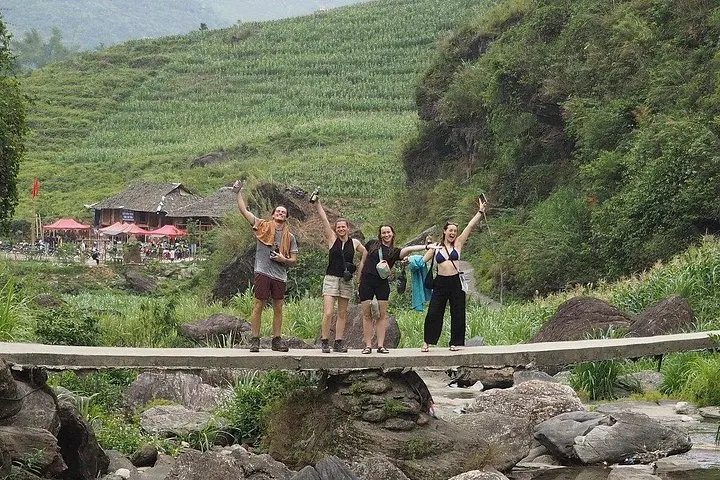
Tire smoke clears and the road peels away into limestone teeth — Ha Giang announces itself in wide, wind-swept views. Over three days by air-conditioned car, travelers move from the lowland rice terraces into the Dong Van Karst Plateau, where cliffs rise like pages torn from the earth and the Nho Que River dares you to look over the edge.
Tire smoke clears and the road peels away into limestone teeth — Ha Giang announces itself in wide, wind-swept views. Over three days by air-conditioned car, travelers move from the lowland rice terraces into the Dong Van Karst Plateau, where cliffs rise like pages torn from the earth and the Nho Que River dares you to look over the edge.
This route threads through layered history: Hmong stone houses, the early 20th-century Dinh Vua Mèo (Hmong King Palace), and Lung Cu Flagpole standing sentinel at Vietnam’s northernmost point. Geologically the plateau is karst — limestone sculpted by millennia of water — producing sheer passes like Ma Pi Leng and hidden caves that punctuate the highlands.
Culturally, markets and homestays offer direct contact with Hmong and Dao communities; small vendors sell salted tea, hand-stitched textiles, and stories. The road itself is the attraction: Can Ty’s serpentine bends, the panoramic Quan Ba Heaven Gate, and the emerald ribbon of the Nho Que below.
Practical side: expect long drives (Hanoi–Ha Giang is ~7 hours by road), short village walks, and basic two‑star hotels or homestays. Roads are narrow and weather can change fast — bring layers, waterproofs, and motion-sickness remedies if you’re sensitive. Photography windows are frequent; plan early starts for softer light and quieter village markets. Hydrate, respect private terraces and local customs, and keep to guided routes — the karst environment is fragile. This tour is ideal for travelers seeking dramatic scenery and cultural encounters without intense trekking.