THE ADVENTURE COLLECTIVE® · Independent discovery and booking for outdoor travel

Three days of switchbacks, river gorges and homestays: ride the Ha Giang Loop as a passenger on an easy rider tour, walk Ma Pi Leng, take a boat on the Nho Que and sleep in village homes for a close, practical look at Vietnam’s northern highlands.
Three days of switchbacks, river gorges and homestays: ride the Ha Giang Loop as a passenger on an easy rider tour, walk Ma Pi Leng, take a boat on the Nho Que and sleep in village homes for a close, practical look at Vietnam’s northern highlands.
Dawn breaks over Ha Giang as a line of motorbikes threads into mist, engines low and headlights cutting through cool air. You feel the road before the view: tight switchbacks, limestone walls rising like pages of a geological ledger, and the ribbon of the Nho Que River daring you to follow it into the gorge.
Verified experiences and guided adventures in the surrounding area.
Operated by Ha Giang Daily Trips · Ha Giang, Ha Giang Province
Dawn breaks over Ha Giang as a line of motorbikes threads into mist, engines low and headlights cutting through cool air. You feel the road before the view: tight switchbacks, limestone walls rising like pages of a geological ledger, and the ribbon of the Nho Que River daring you to follow it into the gorge.
This three-day loop passes Bac Sum and Tham Ma passes, climbs the famous Ma Pi Leng ridge and stops at the Hmong King’s Palace—an architectural vestige of Chinese–French influence in the highlands. The region’s karst topography, uplifted and carved by rivers, produces sudden cliffs and deep, verdant valleys. Ethnic H’mong and Tày villages punctuate the route; evenings are given to local games, campfire conversation and homestays where stilt houses and rice terraces tell of an agricultural rhythm that’s persisted for generations.
Expect a mix of motorbike time, short walks to viewpoints, a calm boat ride through the Nho Que gorge, and a swim at Du Gia waterfall. Weather shifts quickly; mornings can be crisp, afternoons rainy. Guides handle navigation and fuel; you ride as a passenger (easy rider) so technical riding skills aren’t required, but steady balance helps on uneven stretches.
Practical notes: carry cash for small purchases and tips, wear layered clothing and a snug helmet, and time photography for golden hours when light softens cliffs and the river catches color. Respect private land and ask before photographing people—interaction with locals is part of the reward.
No—the tour provides an experienced rider (easy rider); passengers should be comfortable sitting as a pillion for extended periods.
Accommodations (hotel and homestay), guide, motorbike with rider, most meals listed, some entrance fees, a boat trip and basic protection like raincoats and fuel.
Physical demand is moderate: expect long transport periods, short viewpoint walks and one boat ride; basic mobility is sufficient.
Most tours start in Ha Giang; you’ll usually take a bus from Hanoi to Ha Giang beforehand—confirm pickup options and times with the operator.
Ha Giang Daily Trips operates guided outdoor trips and adventures with an emphasis on safety, stewardship, and memorable experiences.
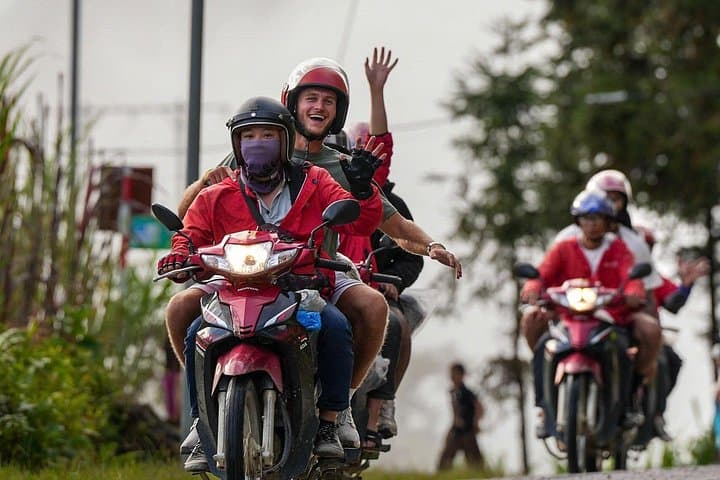
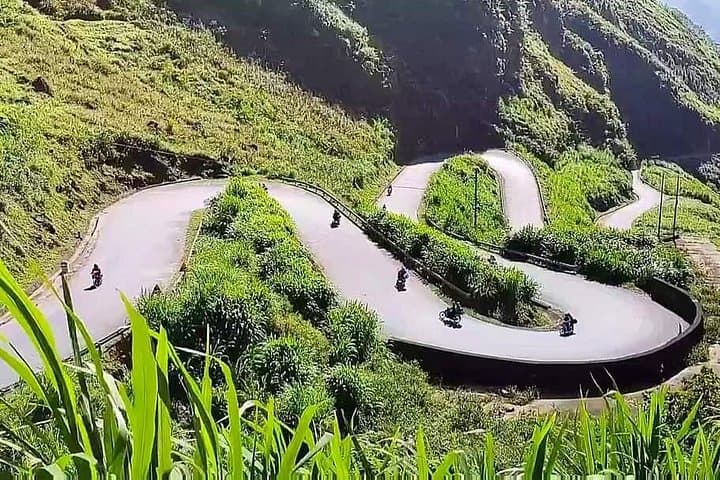
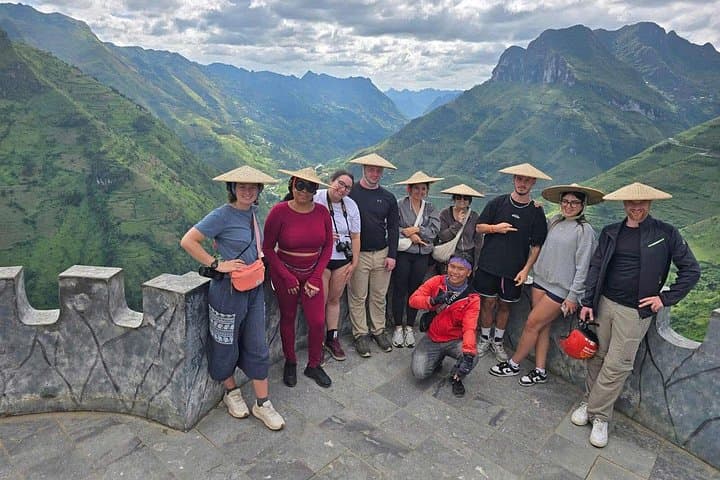
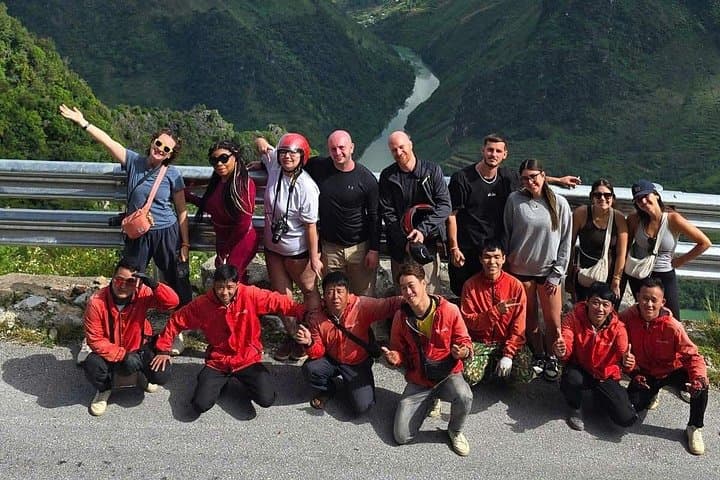
Dawn breaks over Ha Giang as a line of motorbikes threads into mist, engines low and headlights cutting through cool air. You feel the road before the view: tight switchbacks, limestone walls rising like pages of a geological ledger, and the ribbon of the Nho Que River daring you to follow it into the gorge.
Dawn breaks over Ha Giang as a line of motorbikes threads into mist, engines low and headlights cutting through cool air. You feel the road before the view: tight switchbacks, limestone walls rising like pages of a geological ledger, and the ribbon of the Nho Que River daring you to follow it into the gorge.
This three-day loop passes Bac Sum and Tham Ma passes, climbs the famous Ma Pi Leng ridge and stops at the Hmong King’s Palace—an architectural vestige of Chinese–French influence in the highlands. The region’s karst topography, uplifted and carved by rivers, produces sudden cliffs and deep, verdant valleys. Ethnic H’mong and Tày villages punctuate the route; evenings are given to local games, campfire conversation and homestays where stilt houses and rice terraces tell of an agricultural rhythm that’s persisted for generations.
Expect a mix of motorbike time, short walks to viewpoints, a calm boat ride through the Nho Que gorge, and a swim at Du Gia waterfall. Weather shifts quickly; mornings can be crisp, afternoons rainy. Guides handle navigation and fuel; you ride as a passenger (easy rider) so technical riding skills aren’t required, but steady balance helps on uneven stretches.
Practical notes: carry cash for small purchases and tips, wear layered clothing and a snug helmet, and time photography for golden hours when light softens cliffs and the river catches color. Respect private land and ask before photographing people—interaction with locals is part of the reward.