THE ADVENTURE COLLECTIVE® · Independent discovery and booking for outdoor travel

Ride the Ha Giang Loop over three days to hit Quan Ba, Dong Van, Meo Vac and the Ma Pi Leng Pass. Expect steep switchbacks, karst plateaus, homestays, and long days in the saddle—ideal for riders with mountain experience.
Ride the Ha Giang Loop over three days to hit Quan Ba, Dong Van, Meo Vac and the Ma Pi Leng Pass. Expect steep switchbacks, karst plateaus, homestays, and long days in the saddle—ideal for riders with mountain experience.
You kick off in Ha Giang city as morning light cuts across steep switchbacks and the Nho Que River dares you to follow its gorge. The road threads up through pine-dusted ridges to Quan Ba Heaven Gate, then unwinds into open plateaus where limestone walls lean like old walls of the earth.
Verified experiences and guided adventures in the surrounding area.
Operated by Local Tours Ha Giang · Ha Giang, Ha Giang Province
You kick off in Ha Giang city as morning light cuts across steep switchbacks and the Nho Que River dares you to follow its gorge. The road threads up through pine-dusted ridges to Quan Ba Heaven Gate, then unwinds into open plateaus where limestone walls lean like old walls of the earth.
This loop traces the Dong Van Karst Plateau—recognized by UNESCO for its dramatic karst formations—through valleys shaped by tectonics and millennia of erosion. The route crosses Hmong and Dao homelands; villages and the H’Mong King’s Palace offer a glimpse of local craft, textiles, and mountain life. Ma Pi Leng Pass delivers the Ha Giang signature: a narrow spine of road with sheer drops and views into the Nho Que gorge.
Expect paved but narrow mountain roads, frequent hairpins, and stretches of washboard or gravel at valley junctions. Daily riding ranges roughly 100–160 km, with long saddle hours and altitude swings up to ~1,500 m on the highest passes. Accommodations alternate between homestays and basic guesthouses; local meals are hearty and rice-wine-forward.
Practical edge: ride within your limits, stagger sightseeing to avoid midday haze, and pack light—homestays store what you don’t need. Helmets and raincoats are provided by many operators, but bring layered clothing, eyewear, and a compact tool kit. Time your loop for spring or autumn for clearer skies and cooler riding conditions.
Many operators include helmets and raincoats—confirm quality and fit ahead of time; bringing your own preferred helmet is recommended.
Late spring (March–May) and autumn (September–November) offer the most stable weather and clearest views; monsoon season brings heavy rain and reduced visibility.
Physical strain comes mostly from long hours on the bike rather than hiking—expect saddle fatigue, so condition with regular long rides before the tour.
Regulations vary—some companies let you ride with your home license, others require an international permit or provide a local driver; check with the operator before booking.
Local Tours Ha Giang operates guided outdoor trips and adventures with an emphasis on safety, stewardship, and memorable experiences.
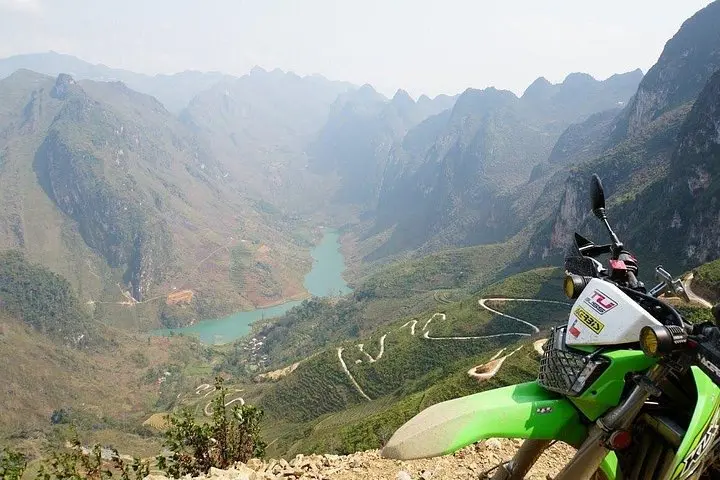
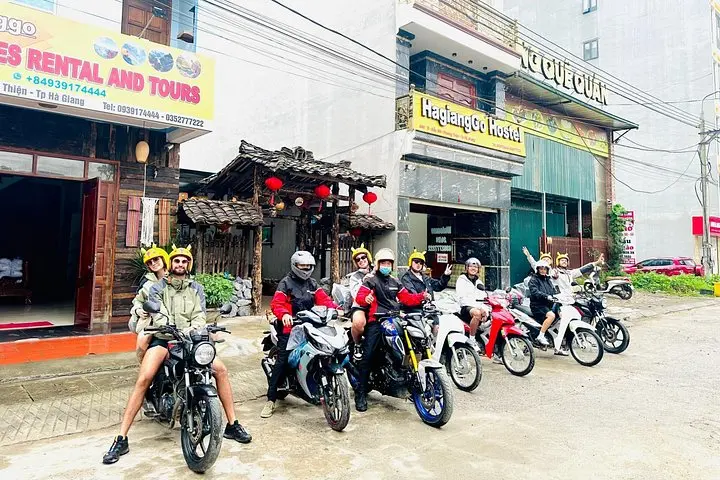
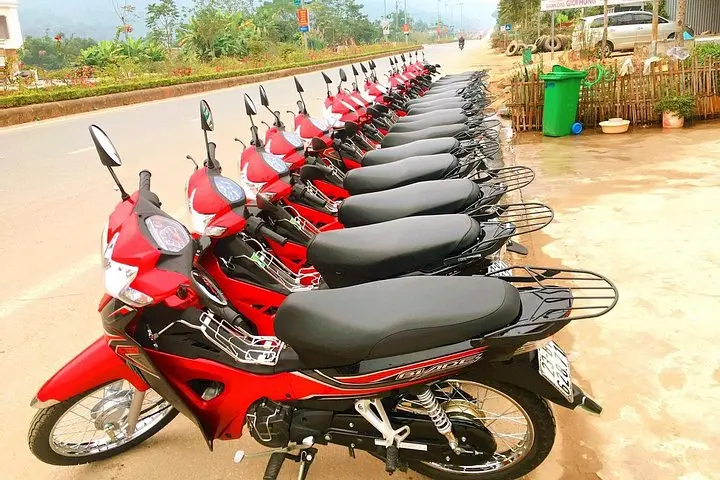
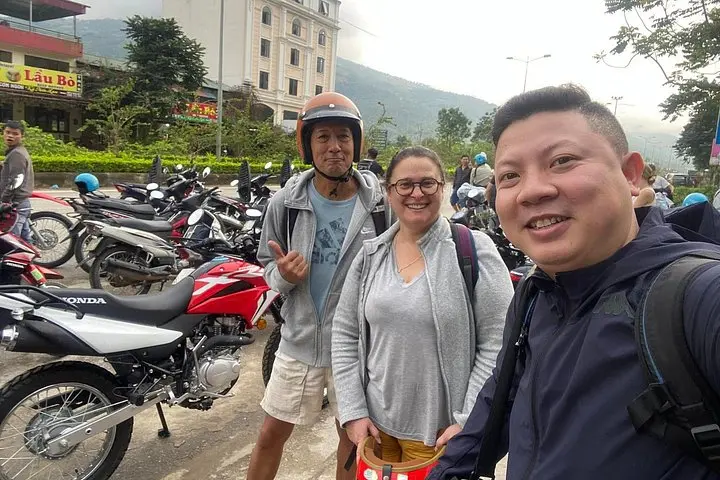
You kick off in Ha Giang city as morning light cuts across steep switchbacks and the Nho Que River dares you to follow its gorge. The road threads up through pine-dusted ridges to Quan Ba Heaven Gate, then unwinds into open plateaus where limestone walls lean like old walls of the earth.
You kick off in Ha Giang city as morning light cuts across steep switchbacks and the Nho Que River dares you to follow its gorge. The road threads up through pine-dusted ridges to Quan Ba Heaven Gate, then unwinds into open plateaus where limestone walls lean like old walls of the earth.
This loop traces the Dong Van Karst Plateau—recognized by UNESCO for its dramatic karst formations—through valleys shaped by tectonics and millennia of erosion. The route crosses Hmong and Dao homelands; villages and the H’Mong King’s Palace offer a glimpse of local craft, textiles, and mountain life. Ma Pi Leng Pass delivers the Ha Giang signature: a narrow spine of road with sheer drops and views into the Nho Que gorge.
Expect paved but narrow mountain roads, frequent hairpins, and stretches of washboard or gravel at valley junctions. Daily riding ranges roughly 100–160 km, with long saddle hours and altitude swings up to ~1,500 m on the highest passes. Accommodations alternate between homestays and basic guesthouses; local meals are hearty and rice-wine-forward.
Practical edge: ride within your limits, stagger sightseeing to avoid midday haze, and pack light—homestays store what you don’t need. Helmets and raincoats are provided by many operators, but bring layered clothing, eyewear, and a compact tool kit. Time your loop for spring or autumn for clearer skies and cooler riding conditions.