THE ADVENTURE COLLECTIVE® · Independent discovery and booking for outdoor travel

Swap Hanoi’s bustle for limestone ridges and hairpin roads on a three‑day motorbike loop through Vietnam’s Ha Giang Plateau. Ride Ma Pi Leng, float past the Nho Que canyon, and stay in hilltop homestays on a route known for dramatic passes and living ethnic culture.
Swap Hanoi’s bustle for limestone ridges and hairpin roads on a three‑day motorbike loop through Vietnam’s Ha Giang Plateau. Ride Ma Pi Leng, float past the Nho Que canyon, and stay in hilltop homestays on a route known for dramatic passes and living ethnic culture.
The first breath of the trip comes on the overnight sleeper bus, a slow unspooling of highway lights until dawn opens on sharp karst ridges and terraces. You wake in Ha Giang city, swap the bus for a motorbike and the road takes over — hairpins, sheer drops, and long high ridgelines that force you to lean into the ride.
Verified experiences and guided adventures in the surrounding area.
Operated by Authentic HALONG · Ha Giang City, Ha Giang Province
The first breath of the trip comes on the overnight sleeper bus, a slow unspooling of highway lights until dawn opens on sharp karst ridges and terraces. You wake in Ha Giang city, swap the bus for a motorbike and the road takes over — hairpins, sheer drops, and long high ridgelines that force you to lean into the ride.
This loop threads through the Dong Van Karst Plateau Geopark, an upland landscape shaped by ancient limestone uplift and river incision; Ma Pi Leng Pass slices a dramatic corridor above the Nho Que River canyon. The region has long been home to ethnic minorities — Hmong, Tay and others — whose stone houses, markets and the Vuong family mansion reflect a mix of local craftsmanship and French-era influence.
Expect two full days of riding: mountain passes, stopovers at Quan Ba Heaven Gate, Lung Cam cultural village, and panoramic overlooks into Tu San canyon. Roads vary from paved national highways to narrow rural asphalt with loose gravel at the margins; visibility can shift with fog and wind.
Practical edge: rides commonly cover 100–160 km per riding day and reach elevations around 1,000–1,600 m, so pace yourself, check fuel availability in towns, and use a reliable helmet. Homestays and small hotels are standard; food is hearty and regionally specific — try local markets in Dong Van or Meo Vac.
Timing matters: avoid heavy monsoon rains, start early to catch clear light on the passes, and leave space in your schedule for weather or mechanical delays. Respect local customs, pack light but warm, and let the road set the day’s rhythm.
Yes — basic to intermediate riding experience on 125–150cc or larger bikes is recommended; the route includes steep, narrow sections and variable surfaces.
Yes — the tour includes an overnight sleeper bus between Hanoi and Ha Giang, typically 6–8 hours depending on traffic.
Most operators can arrange pillion seating but notify the provider when booking; a passenger should still be comfortable with long days and homestays.
Not recommended for travelers with serious spinal or heart conditions, or for pregnant travelers due to long drives and rough road sections.
Authentic HALONG operates guided outdoor trips and adventures with an emphasis on safety, stewardship, and memorable experiences.

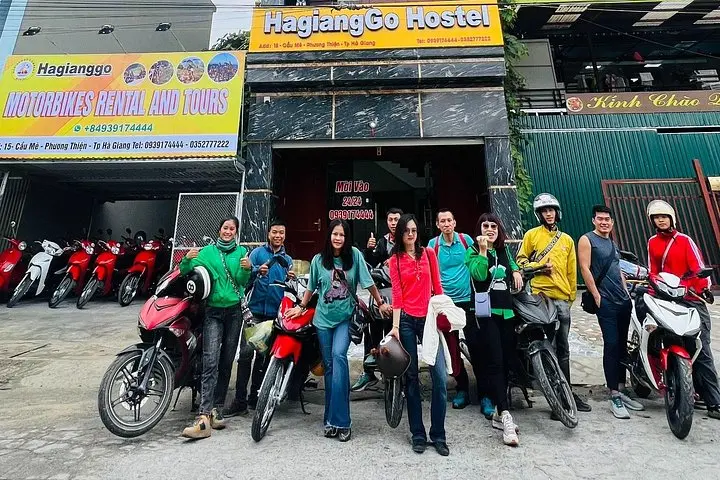

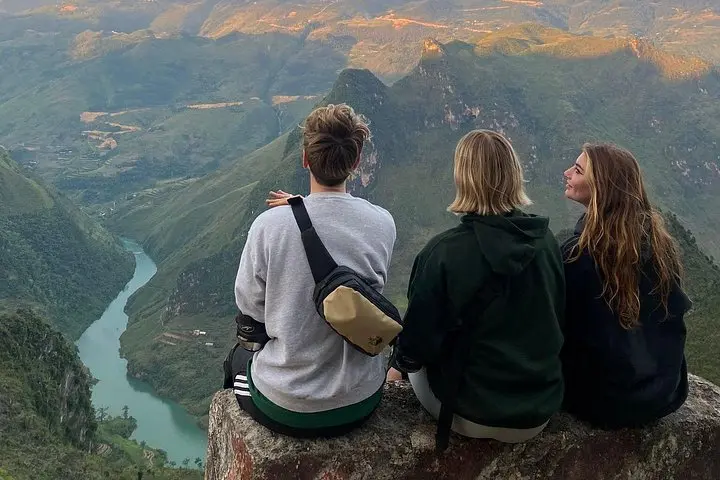
The first breath of the trip comes on the overnight sleeper bus, a slow unspooling of highway lights until dawn opens on sharp karst ridges and terraces. You wake in Ha Giang city, swap the bus for a motorbike and the road takes over — hairpins, sheer drops, and long high ridgelines that force you to lean into the ride.
The first breath of the trip comes on the overnight sleeper bus, a slow unspooling of highway lights until dawn opens on sharp karst ridges and terraces. You wake in Ha Giang city, swap the bus for a motorbike and the road takes over — hairpins, sheer drops, and long high ridgelines that force you to lean into the ride.
This loop threads through the Dong Van Karst Plateau Geopark, an upland landscape shaped by ancient limestone uplift and river incision; Ma Pi Leng Pass slices a dramatic corridor above the Nho Que River canyon. The region has long been home to ethnic minorities — Hmong, Tay and others — whose stone houses, markets and the Vuong family mansion reflect a mix of local craftsmanship and French-era influence.
Expect two full days of riding: mountain passes, stopovers at Quan Ba Heaven Gate, Lung Cam cultural village, and panoramic overlooks into Tu San canyon. Roads vary from paved national highways to narrow rural asphalt with loose gravel at the margins; visibility can shift with fog and wind.
Practical edge: rides commonly cover 100–160 km per riding day and reach elevations around 1,000–1,600 m, so pace yourself, check fuel availability in towns, and use a reliable helmet. Homestays and small hotels are standard; food is hearty and regionally specific — try local markets in Dong Van or Meo Vac.
Timing matters: avoid heavy monsoon rains, start early to catch clear light on the passes, and leave space in your schedule for weather or mechanical delays. Respect local customs, pack light but warm, and let the road set the day’s rhythm.