THE ADVENTURE COLLECTIVE® · Independent discovery and booking for outdoor travel

A compact, high-reward route through Vietnam’s northern karst plateau—this 3-day loop from Hanoi threads hairpin passes, ethnic villages and the Ma Pi Leng canyon. Ideal for travelers who want dramatic mountain roads and cultural encounters without deep backcountry planning.
A compact, high-reward route through Vietnam’s northern karst plateau—this 3-day loop from Hanoi threads hairpin passes, ethnic villages and the Ma Pi Leng canyon. Ideal for travelers who want dramatic mountain roads and cultural encounters without deep backcountry planning.
You hit the road before dawn: the sleeper bus drifts out of Hanoi and, as light thins, the low hills give way to teeth-like karst towers. By the time you reach Ha Giang city the air tastes cleaner, the road climbs, and switchbacks begin—each bend revealing stony ridges and terraces that the wind seems to rearrange daily.
Verified experiences and guided adventures in the surrounding area.
Operated by Authentic HA GIANG · Ha Giang, Ha Giang Province
You hit the road before dawn: the sleeper bus drifts out of Hanoi and, as light thins, the low hills give way to teeth-like karst towers. By the time you reach Ha Giang city the air tastes cleaner, the road climbs, and switchbacks begin—each bend revealing stony ridges and terraces that the wind seems to rearrange daily.
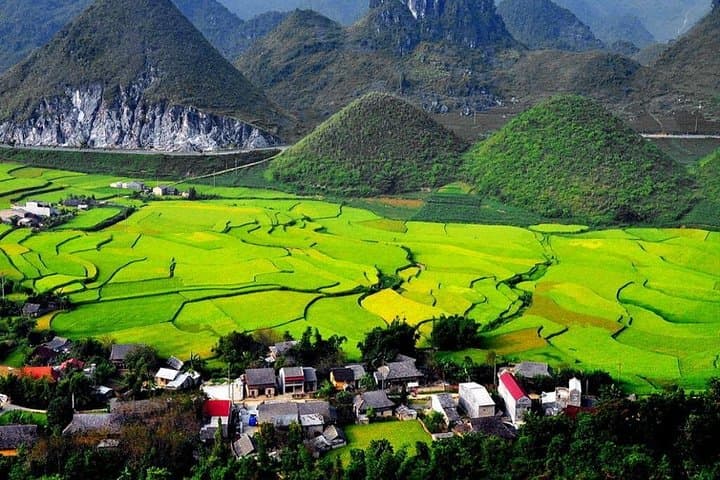
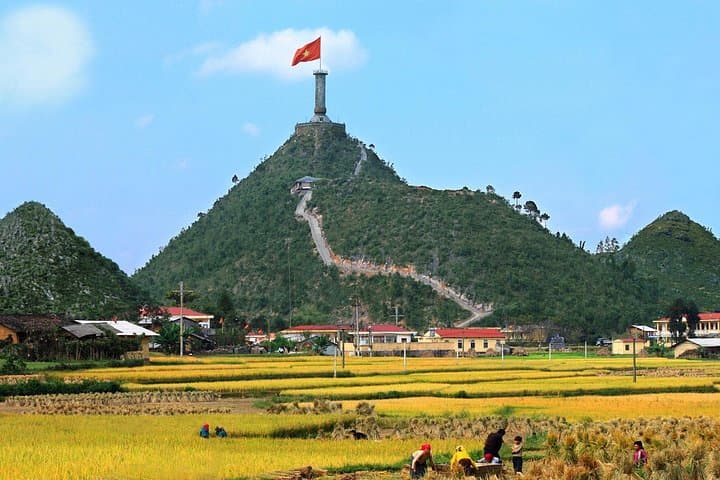
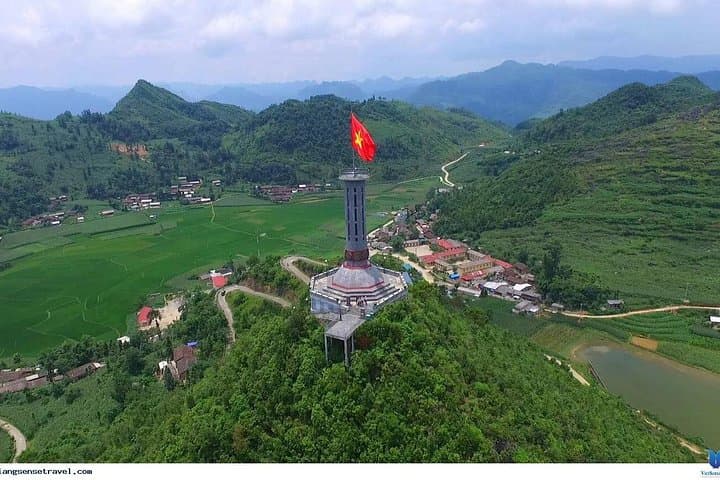
This circuit follows the Dong Van Karst Plateau, a UNESCO Global Geopark of folded limestone and sheer cliffs carved over hundreds of millions of years. Ethnic minority villages—Hmong, Tay, Dao—dot the route, their stilt houses and terraced fields framing a living history of mountain agriculture and craft. Ma Pi Leng pass grabs attention: a narrow spine of road that looks over the Nho Que River daring you to peer down into Tu San canyon.
Expect roughly 250–350 km of mountain driving across two to three days, with elevations up to about 1,200–1,600 m and long stretches of narrow, unpaved or potholed road. The tour alternates motorbike and car options; a local guide steers logistics and stops at viewpoints like Quan Ba Heaven Gate, Van Chai cliffs, and Dong Van town. Weather shifts quickly—sun can flip to rain and wind—so plan for layers, reliable footwear, and a steady head for exposed road edges.
Practical note: bring cash for homestays and small purchases, charge devices nightly, and allow extra time for photo stops and local encounters. The route rewards patience—every ridge unfolds another slice of northern Vietnam’s fierce, beautiful geography.
The operator can include a sleeper bus/limousine roundtrip from Hanoi on request—confirm at booking; otherwise meet in Ha Giang city.
Yes, helmets are listed as included when you book the motorbike option, though you may bring your own for a better fit.
Roads include paved and unpaved mountain stretches with tight switchbacks; cautious beginners can ride with a guide or choose the car option for safety and comfort.
Accommodations are basic: a dorm-style homestay/hostel night is included on the loop, with local food provided—private upgrades may be available.
Authentic HA GIANG operates guided outdoor trips and adventures with an emphasis on safety, stewardship, and memorable experiences.
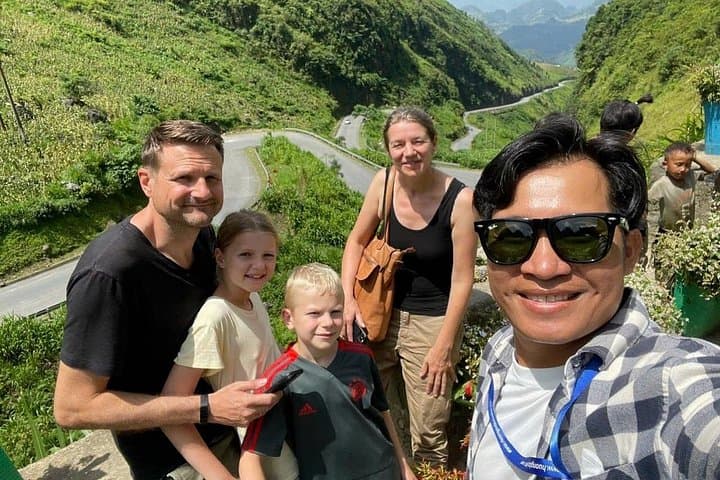
You hit the road before dawn: the sleeper bus drifts out of Hanoi and, as light thins, the low hills give way to teeth-like karst towers. By the time you reach Ha Giang city the air tastes cleaner, the road climbs, and switchbacks begin—each bend revealing stony ridges and terraces that the wind seems to rearrange daily.
You hit the road before dawn: the sleeper bus drifts out of Hanoi and, as light thins, the low hills give way to teeth-like karst towers. By the time you reach Ha Giang city the air tastes cleaner, the road climbs, and switchbacks begin—each bend revealing stony ridges and terraces that the wind seems to rearrange daily.
This circuit follows the Dong Van Karst Plateau, a UNESCO Global Geopark of folded limestone and sheer cliffs carved over hundreds of millions of years. Ethnic minority villages—Hmong, Tay, Dao—dot the route, their stilt houses and terraced fields framing a living history of mountain agriculture and craft. Ma Pi Leng pass grabs attention: a narrow spine of road that looks over the Nho Que River daring you to peer down into Tu San canyon.
Expect roughly 250–350 km of mountain driving across two to three days, with elevations up to about 1,200–1,600 m and long stretches of narrow, unpaved or potholed road. The tour alternates motorbike and car options; a local guide steers logistics and stops at viewpoints like Quan Ba Heaven Gate, Van Chai cliffs, and Dong Van town. Weather shifts quickly—sun can flip to rain and wind—so plan for layers, reliable footwear, and a steady head for exposed road edges.
Practical note: bring cash for homestays and small purchases, charge devices nightly, and allow extra time for photo stops and local encounters. The route rewards patience—every ridge unfolds another slice of northern Vietnam’s fierce, beautiful geography.