THE ADVENTURE COLLECTIVE® · Independent discovery and booking for outdoor travel

The Ha Giang Loop is a compact, highland circuit of dramatic limestone plateaus, hairpin passes and ethnic markets. In three days you’ll ride or ride-along through Ma Pi Leng, Dong Van and Lung Cu with homestays, boat time on the Nho Que River, and a good dose of highland weather.
The Ha Giang Loop is a compact, highland circuit of dramatic limestone plateaus, hairpin passes and ethnic markets. In three days you’ll ride or ride-along through Ma Pi Leng, Dong Van and Lung Cu with homestays, boat time on the Nho Que River, and a good dose of highland weather.
You arrive before dawn on a winding ridge road; clouds hug the peaks and the road ahead snakes between limestone towers. The air here is sharp and cool, and the first hairpin already makes the pulse quicken — this is the Ha Giang Loop, Vietnam’s highland marathon of stone and sky.
Verified experiences and guided adventures in the surrounding area.
Operated by ha giang open tour · Ha Giang City, Ha Giang Province
You arrive before dawn on a winding ridge road; clouds hug the peaks and the road ahead snakes between limestone towers. The air here is sharp and cool, and the first hairpin already makes the pulse quicken — this is the Ha Giang Loop, Vietnam’s highland marathon of stone and sky.
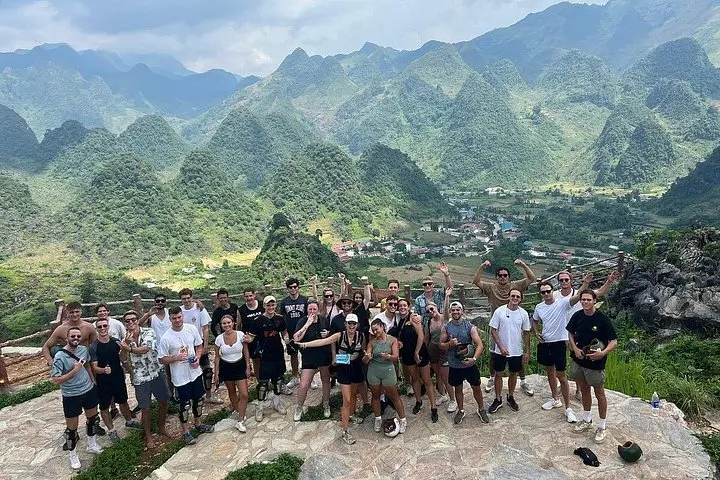
Geology and history are written into the landscape: the Dong Van Karst Plateau (a UNESCO Global Geopark) folds in weathered limestone, deep gorges and sheer passes. Centuries of Hmong, Dao and Lo Lo presence are visible in terraced fields and wooden palaces — including the Hmong King’s Palace in Sa Phin — and in markets where textiles and trade still bind communities.
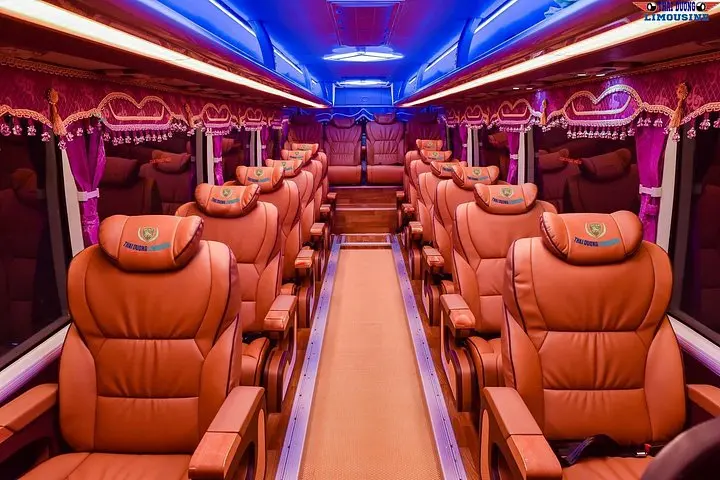
Highlights on a 3-day loop: an overnight sleeper bus from Hanoi (≈350 km), a full day of ridge riding through Quan Ba, Bac Sum and Nam Dam to Dong Van (≈175 km), then Ma Pi Leng Pass with its panoramic stop above the Nho Que River and a short river boat trip before the return leg (≈480 km back toward Ha Giang/Hanoi).
Practical edge: plan for long vehicle hours and frequent stops for altitude, bring layered windproof clothing for 1,200 m+ passes, and carry cash — many rural vendors do not accept cards. If you choose motorbikes, a full-face helmet and basic riding confidence are non-negotiable; if travelling by jeep, expect tighter viewpoints and shared seating. Respect homestay customs, arrive early on market days (Sunday markets are busiest), and allow extra time for weather delays — fog and rain can close passes. This loop delivers raw geology, living culture and road rhythms that reward careful planning with unforgettable views.
September–November and March–May offer clearer skies, milder temperatures and more stable roads; summer brings heavy rain and occasional landslides.
If you plan to ride a motorcycle yourself, basic long-distance riding experience and comfort on switchbacks is required; many travelers choose to ride as a pillion with a local driver instead.
The typical 3D/2N package includes one night in a hotel or homestay (as listed) and an overnight sleeper bus; confirm specifics with your operator before booking.
The route includes unpaved sections, short walks and vehicle transfers; it’s not ideal for travelers with significant mobility restrictions or those requiring continuous medical support.
ha giang open tour operates guided outdoor trips and adventures with an emphasis on safety, stewardship, and memorable experiences.
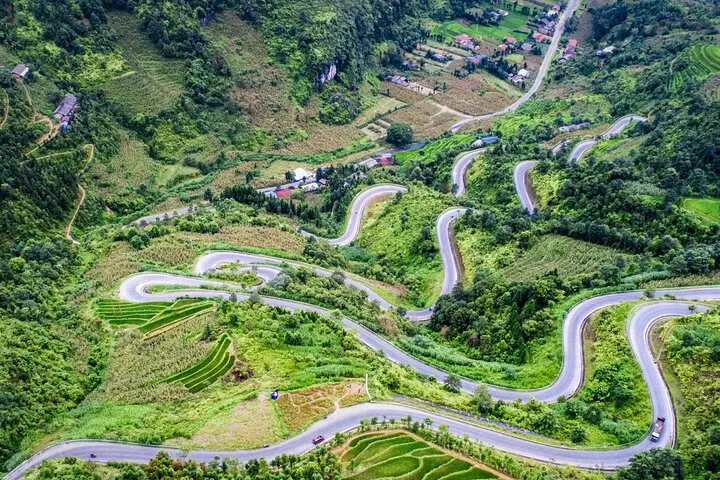

You arrive before dawn on a winding ridge road; clouds hug the peaks and the road ahead snakes between limestone towers. The air here is sharp and cool, and the first hairpin already makes the pulse quicken — this is the Ha Giang Loop, Vietnam’s highland marathon of stone and sky.
You arrive before dawn on a winding ridge road; clouds hug the peaks and the road ahead snakes between limestone towers. The air here is sharp and cool, and the first hairpin already makes the pulse quicken — this is the Ha Giang Loop, Vietnam’s highland marathon of stone and sky.
Geology and history are written into the landscape: the Dong Van Karst Plateau (a UNESCO Global Geopark) folds in weathered limestone, deep gorges and sheer passes. Centuries of Hmong, Dao and Lo Lo presence are visible in terraced fields and wooden palaces — including the Hmong King’s Palace in Sa Phin — and in markets where textiles and trade still bind communities.
Highlights on a 3-day loop: an overnight sleeper bus from Hanoi (≈350 km), a full day of ridge riding through Quan Ba, Bac Sum and Nam Dam to Dong Van (≈175 km), then Ma Pi Leng Pass with its panoramic stop above the Nho Que River and a short river boat trip before the return leg (≈480 km back toward Ha Giang/Hanoi).
Practical edge: plan for long vehicle hours and frequent stops for altitude, bring layered windproof clothing for 1,200 m+ passes, and carry cash — many rural vendors do not accept cards. If you choose motorbikes, a full-face helmet and basic riding confidence are non-negotiable; if travelling by jeep, expect tighter viewpoints and shared seating. Respect homestay customs, arrive early on market days (Sunday markets are busiest), and allow extra time for weather delays — fog and rain can close passes. This loop delivers raw geology, living culture and road rhythms that reward careful planning with unforgettable views.