THE ADVENTURE COLLECTIVE® · Independent discovery and booking for outdoor travel

Three days of switchbacks, sheer limestone walls and village homestays—this easy-rider motorbike loop covers Bac Sum, Ma Pi Leng and the Nho Que gorge. Expect long saddle time, dramatic viewpoints, and authentic nights in Dong Van and Du Gia.
Three days of switchbacks, sheer limestone walls and village homestays—this easy-rider motorbike loop covers Bac Sum, Ma Pi Leng and the Nho Que gorge. Expect long saddle time, dramatic viewpoints, and authentic nights in Dong Van and Du Gia.
The road unfurls like a living map: hairpin after hairpin cleaves through limestone spires, terraced fields and villages where children wave from stone thresholds. On day one you climb Bac Sum Pass, roll through Quan Ba’s Twin Mountains and learn the cadence of the loop—slow, deliberate, scenic.
Verified experiences and guided adventures in the surrounding area.
Operated by Good Morning Ha Giang By S Viet Nam · Ha Giang, Ha Giang Province
The road unfurls like a living map: hairpin after hairpin cleaves through limestone spires, terraced fields and villages where children wave from stone thresholds. On day one you climb Bac Sum Pass, roll through Quan Ba’s Twin Mountains and learn the cadence of the loop—slow, deliberate, scenic.
This region sits on ancient karst folded by tectonics and rain; cliffs here are weathered limestone carved by rivers over millions of years. Ha Giang is also a cultural crossroads—Hmong, Tay and Dao communities live on steep slopes, tending terraces and trading at weekly markets that still follow traditional rhythms.
The real highlight is Ma Pi Leng Pass and the Nho Que gorge, where a narrow road perches over plunging canyon and the river dares you to look down. Evenings are spent in homestays: shared dorms, communal meals and “happy water” gatherings that reveal local hospitality and stories about the Chinese border and the French-era trading routes.
Practical edge: this is a motorbike-based itinerary run as an easy-rider tour (you sit back with a local rider). Expect long saddle hours, short walks on the Sky Path, and basic homestay accommodation unless you pay the private-room supplement. Bring layered clothing for cold mornings, good ankle-support shoes for village paths and a reliable daypack for camera gear and water. The loop moves on a fixed schedule—arrive rested, keep small cash for remote stalls, and be ready for spectacular views at unplanned stops.
No—the tour uses local easy riders; clients ride as passengers and are not required to drive.
Accommodation is primarily shared dorm-style homestays; a private-room supplement is available for an extra fee.
The itinerary includes most meals (3 breakfasts, 3 lunches, 2 dinners) and listed entrance fees as noted in the package inclusions.
The tour is not recommended for travelers with serious spinal or cardiovascular conditions due to long saddle time and bumpy roads.
Good Morning Ha Giang By S Viet Nam operates guided outdoor trips and adventures with an emphasis on safety, stewardship, and memorable experiences.
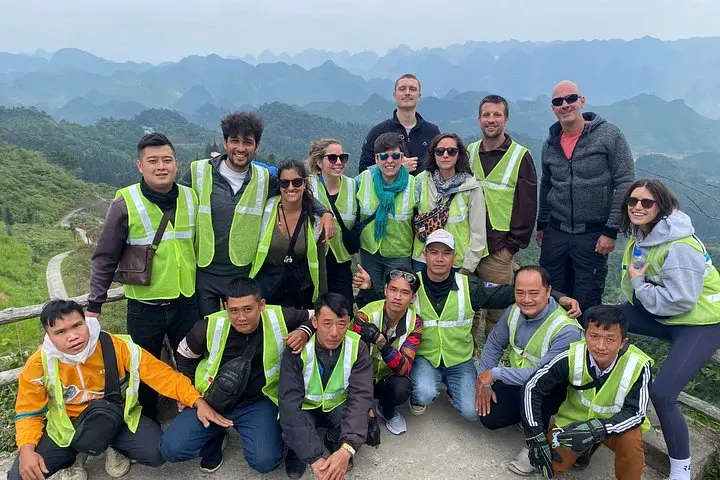
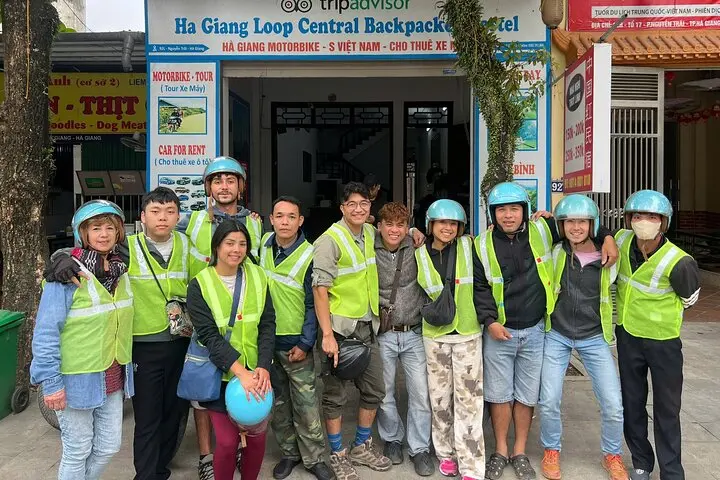
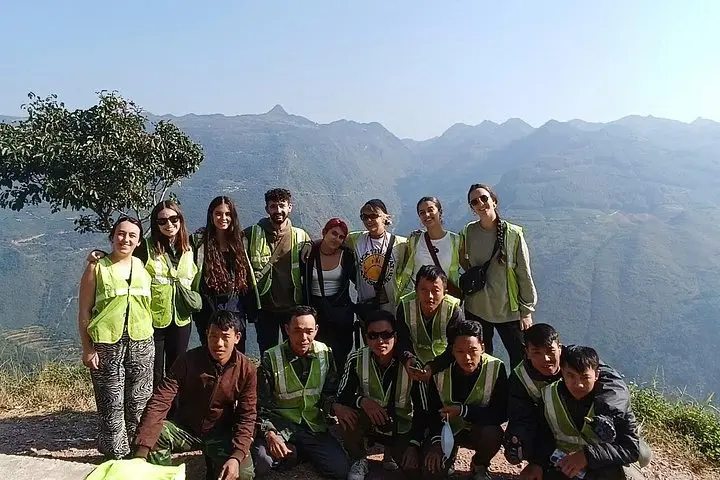
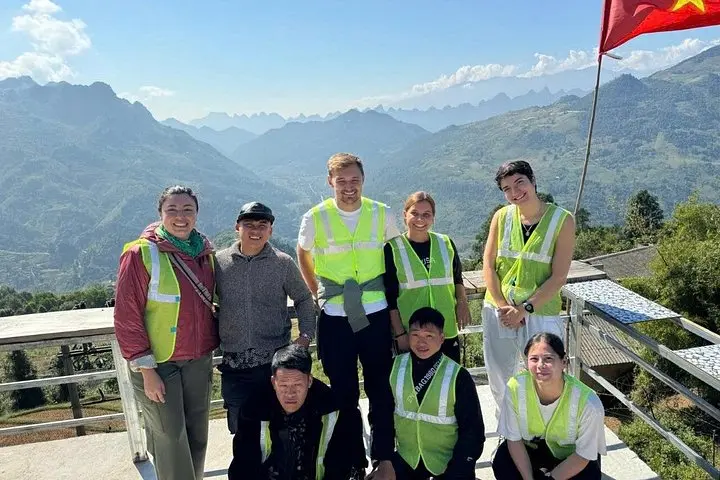
The road unfurls like a living map: hairpin after hairpin cleaves through limestone spires, terraced fields and villages where children wave from stone thresholds. On day one you climb Bac Sum Pass, roll through Quan Ba’s Twin Mountains and learn the cadence of the loop—slow, deliberate, scenic.
The road unfurls like a living map: hairpin after hairpin cleaves through limestone spires, terraced fields and villages where children wave from stone thresholds. On day one you climb Bac Sum Pass, roll through Quan Ba’s Twin Mountains and learn the cadence of the loop—slow, deliberate, scenic.
This region sits on ancient karst folded by tectonics and rain; cliffs here are weathered limestone carved by rivers over millions of years. Ha Giang is also a cultural crossroads—Hmong, Tay and Dao communities live on steep slopes, tending terraces and trading at weekly markets that still follow traditional rhythms.
The real highlight is Ma Pi Leng Pass and the Nho Que gorge, where a narrow road perches over plunging canyon and the river dares you to look down. Evenings are spent in homestays: shared dorms, communal meals and “happy water” gatherings that reveal local hospitality and stories about the Chinese border and the French-era trading routes.
Practical edge: this is a motorbike-based itinerary run as an easy-rider tour (you sit back with a local rider). Expect long saddle hours, short walks on the Sky Path, and basic homestay accommodation unless you pay the private-room supplement. Bring layered clothing for cold mornings, good ankle-support shoes for village paths and a reliable daypack for camera gear and water. The loop moves on a fixed schedule—arrive rested, keep small cash for remote stalls, and be ready for spectacular views at unplanned stops.