THE ADVENTURE COLLECTIVE® · Independent discovery and booking for outdoor travel

Ride the Ha Giang Loop in three intense days—winding high passes, karst plateau panoramas and market towns where H’Mong culture and colonial history meet. This guide explains what to expect, how to prepare, and the practicalities of a motorbike loop through northern Vietnam.
Ride the Ha Giang Loop in three intense days—winding high passes, karst plateau panoramas and market towns where H’Mong culture and colonial history meet. This guide explains what to expect, how to prepare, and the practicalities of a motorbike loop through northern Vietnam.
The road folds itself into a long ribbon of switchbacks and carved cliffs as you leave Ha Giang city at dawn—motorbike engines punctuating the thin mountain air, clouds dragging along limestone teeth. On this 3-day loop you ride the edge of the Dong Van karst plateau, climb to high passes where the wind pushes at you, and stand above the Nho Que River canyon watching mist coil through blue-gray canyons.
Verified experiences and guided adventures in the surrounding area.
Operated by Local Tours SAPA · Ha Giang, Ha Giang Province
The road folds itself into a long ribbon of switchbacks and carved cliffs as you leave Ha Giang city at dawn—motorbike engines punctuating the thin mountain air, clouds dragging along limestone teeth. On this 3-day loop you ride the edge of the Dong Van karst plateau, climb to high passes where the wind pushes at you, and stand above the Nho Que River canyon watching mist coil through blue-gray canyons.
Geology here is brazen: uplifted marine limestone sculpted over millions of years into karst towers and steep valleys. Human history sits on top of that rock—H’Mong, Tay and Lo Lo communities have farmed terraces and woven brocade for generations. Dong Van’s Vuong family mansion and the old market streets of Meo Vac speak to colonial-era trade and ethnic trade routes that still pulse through the plateau.
Expect about 300–350 km of riding over three days, with daily legs commonly 100–180 km and elevations reaching roughly 1,500–1,800 m. Roads are mostly paved but narrow, with frequent hairpins, short gravel patches and exposed edges at Ma Pi Leng. Typical highlights: Quan Ba Heaven Gate, Lung Cam village and boat trips on the Nho Que.
Practical guide: start early to avoid midday fog, plan fuel stops (small towns only), carry a basic repair kit and layered clothing for rapid temperature swings. If you’re not riding, choose the Easy Rider option; for self-driving, be honest about your experience on steep mountain roads. Nights are in homestays—bring cash, respect local customs, and leave no trace on fragile plateau landscapes.
Yes—this tour offers an Easy Rider option where a local driver handles navigation and mechanical responsibilities, ideal for those who prefer not to self-drive.
Daily legs vary but typically range from 100–180 km depending on stops; expect several hours in the saddle with frequent photo and viewpoint breaks.
Homestays are basic but clean, offering local meals and a chance to experience ethnic hospitality—bring cash and modest expectations for hot water and privacy.
The roads are narrow with steep drops and occasional loose gravel; novice riders should choose the Easy Rider option or have recent mountain riding experience.
Local Tours SAPA operates guided outdoor trips and adventures with an emphasis on safety, stewardship, and memorable experiences.
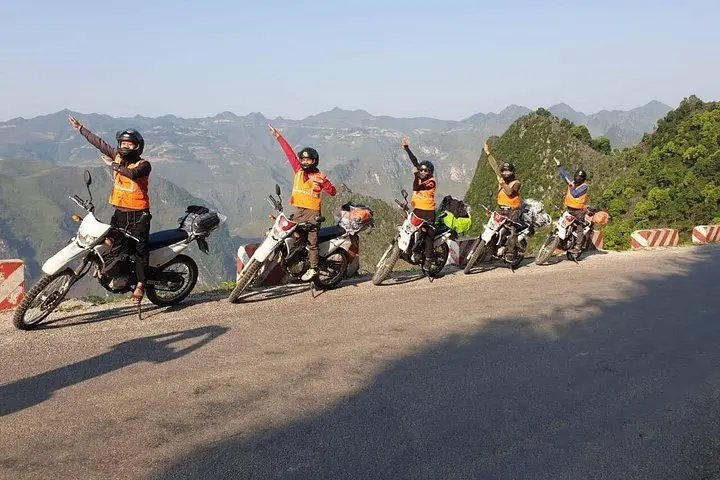
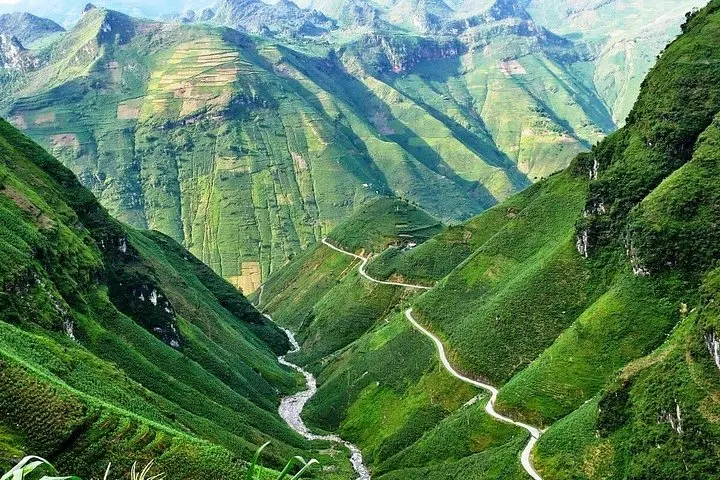
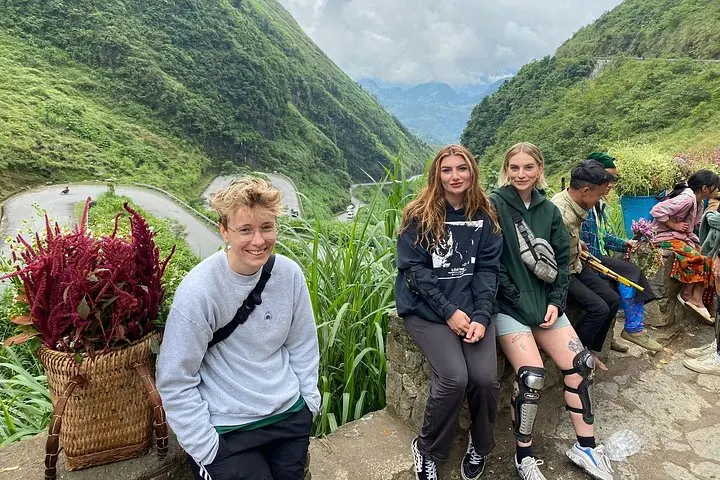
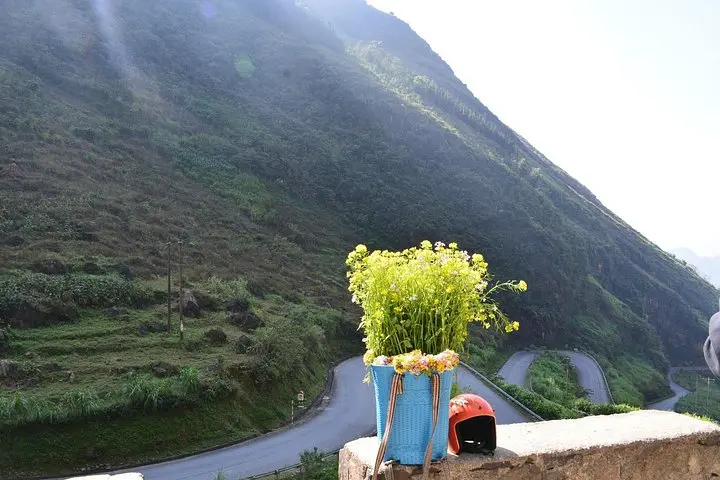
The road folds itself into a long ribbon of switchbacks and carved cliffs as you leave Ha Giang city at dawn—motorbike engines punctuating the thin mountain air, clouds dragging along limestone teeth. On this 3-day loop you ride the edge of the Dong Van karst plateau, climb to high passes where the wind pushes at you, and stand above the Nho Que River canyon watching mist coil through blue-gray canyons.
The road folds itself into a long ribbon of switchbacks and carved cliffs as you leave Ha Giang city at dawn—motorbike engines punctuating the thin mountain air, clouds dragging along limestone teeth. On this 3-day loop you ride the edge of the Dong Van karst plateau, climb to high passes where the wind pushes at you, and stand above the Nho Que River canyon watching mist coil through blue-gray canyons.
Geology here is brazen: uplifted marine limestone sculpted over millions of years into karst towers and steep valleys. Human history sits on top of that rock—H’Mong, Tay and Lo Lo communities have farmed terraces and woven brocade for generations. Dong Van’s Vuong family mansion and the old market streets of Meo Vac speak to colonial-era trade and ethnic trade routes that still pulse through the plateau.
Expect about 300–350 km of riding over three days, with daily legs commonly 100–180 km and elevations reaching roughly 1,500–1,800 m. Roads are mostly paved but narrow, with frequent hairpins, short gravel patches and exposed edges at Ma Pi Leng. Typical highlights: Quan Ba Heaven Gate, Lung Cam village and boat trips on the Nho Que.
Practical guide: start early to avoid midday fog, plan fuel stops (small towns only), carry a basic repair kit and layered clothing for rapid temperature swings. If you’re not riding, choose the Easy Rider option; for self-driving, be honest about your experience on steep mountain roads. Nights are in homestays—bring cash, respect local customs, and leave no trace on fragile plateau landscapes.