THE ADVENTURE COLLECTIVE® · Independent discovery and booking for outdoor travel

Drive dramatic limestone passes, trek a short Sky Path above the Nho Que River and spend a night in a Du Gia homestay on this three‑day private car tour from Ha Giang. Expect cliffside vistas, ethnic village visits and hands‑on local culture.
Drive dramatic limestone passes, trek a short Sky Path above the Nho Que River and spend a night in a Du Gia homestay on this three‑day private car tour from Ha Giang. Expect cliffside vistas, ethnic village visits and hands‑on local culture.
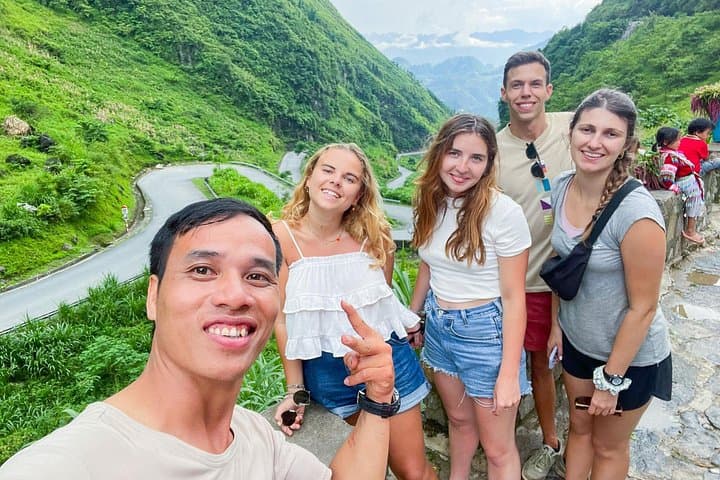
A cold wind rides the ridge as the private car crawls up Bac Sum toward Heaven Gate—fields drop away into stacked terraces and cliffs that seem to dare you to look down. Over three days the route moves from Ha Giang city through Yen Minh and Dong Van to Ma Pi Leng and back via Quan Ba, changing light and weather as quickly as the passes.
Verified experiences and guided adventures in the surrounding area.
Operated by Authentic HALONG · Ha Giang, Ha Giang Province
A cold wind rides the ridge as the private car crawls up Bac Sum toward Heaven Gate—fields drop away into stacked terraces and cliffs that seem to dare you to look down. Over three days the route moves from Ha Giang city through Yen Minh and Dong Van to Ma Pi Leng and back via Quan Ba, changing light and weather as quickly as the passes.
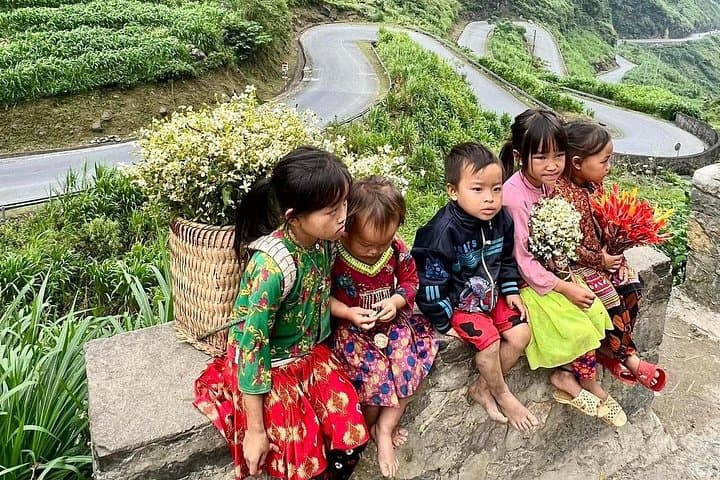
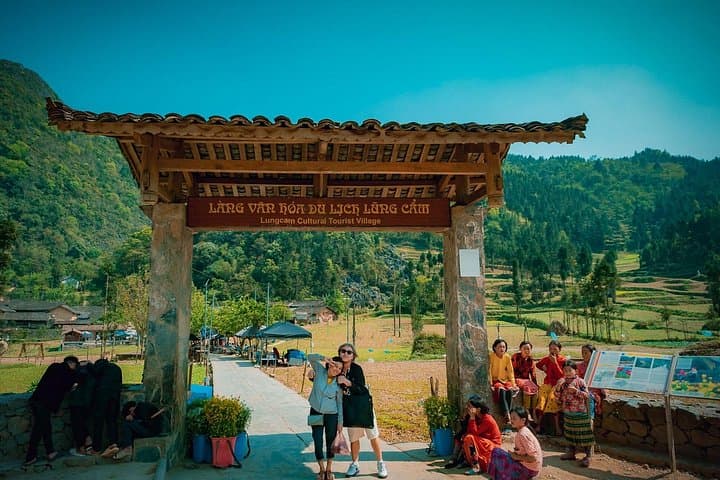
The Dong Van Karst Plateau, recognized for its geological value, presents layers of limestone eroded into towers and pavements that tell a slow history of uplift and rain. Centuries of upland farming and Hmong, Dao and Tay culture shape roadside villages; the Hmong King’s Palace at Sa Phin speaks to 20th‑century local power and craftsmanship.
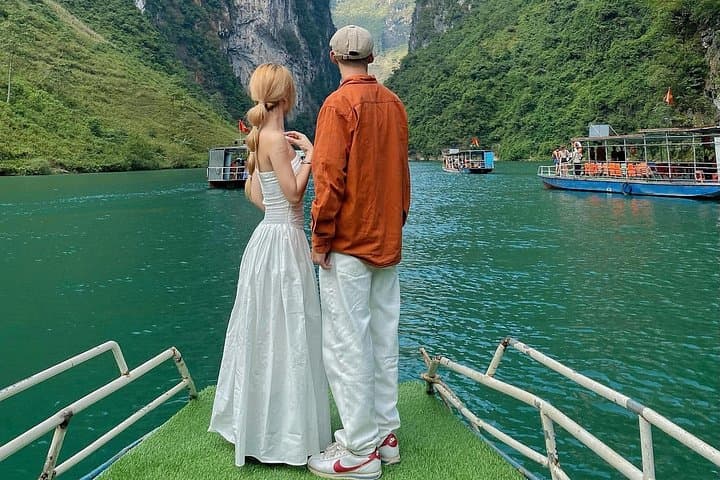
Highlights are visual and tactile: the dizzying cut of Ma Pi Leng Pass, the glassy ribbon of the Nho Que River, and homestay evenings where local songs and ‘happy water’ are shared. The landscape is active—goats graze cliff edges, rivers push at their banks, and mountain birds patrol the skies.
Practical guidance: the tour is primarily by private car with short walks on rough, sometimes steep paths (Sky Path trek). Carry layers, a waterproof shell and good walking shoes; mornings can be cold and afternoons exposed. Expect basic homestay comforts one night and a small‑hotel in Dong Van another. Plan departures early to catch the best light at viewpoints, and keep cash for village purchases. Respect local customs—ask before photographing people—and pack out waste; the region’s geology and communities are fragile and benefit most from low‑impact travel.
No; this private tour uses a car for all transfers so no motorbike riding is required, which suits travelers prioritizing comfort or those who don’t want to drive.
Altitudes reach roughly 1,500–2,000 m on passes like Ma Pi Leng; most travelers are fine but stay hydrated, move slowly if you feel breathless, and avoid heavy exertion on day one.
The tour includes one night in a hotel in central Dong Van and one night in a Du Gia homestay—expect basic, clean facilities and local food at the homestay.
Autumn (September–November) typically offers the clearest skies and stable weather, while spring gives greener fields; monsoon months bring dramatic clouds but more rain.
Authentic HALONG operates guided outdoor trips and adventures with an emphasis on safety, stewardship, and memorable experiences.
A cold wind rides the ridge as the private car crawls up Bac Sum toward Heaven Gate—fields drop away into stacked terraces and cliffs that seem to dare you to look down. Over three days the route moves from Ha Giang city through Yen Minh and Dong Van to Ma Pi Leng and back via Quan Ba, changing light and weather as quickly as the passes.
A cold wind rides the ridge as the private car crawls up Bac Sum toward Heaven Gate—fields drop away into stacked terraces and cliffs that seem to dare you to look down. Over three days the route moves from Ha Giang city through Yen Minh and Dong Van to Ma Pi Leng and back via Quan Ba, changing light and weather as quickly as the passes.
The Dong Van Karst Plateau, recognized for its geological value, presents layers of limestone eroded into towers and pavements that tell a slow history of uplift and rain. Centuries of upland farming and Hmong, Dao and Tay culture shape roadside villages; the Hmong King’s Palace at Sa Phin speaks to 20th‑century local power and craftsmanship.
Highlights are visual and tactile: the dizzying cut of Ma Pi Leng Pass, the glassy ribbon of the Nho Que River, and homestay evenings where local songs and ‘happy water’ are shared. The landscape is active—goats graze cliff edges, rivers push at their banks, and mountain birds patrol the skies.
Practical guidance: the tour is primarily by private car with short walks on rough, sometimes steep paths (Sky Path trek). Carry layers, a waterproof shell and good walking shoes; mornings can be cold and afternoons exposed. Expect basic homestay comforts one night and a small‑hotel in Dong Van another. Plan departures early to catch the best light at viewpoints, and keep cash for village purchases. Respect local customs—ask before photographing people—and pack out waste; the region’s geology and communities are fragile and benefit most from low‑impact travel.