THE ADVENTURE COLLECTIVE® · Independent discovery and booking for outdoor travel

Wake early on a sleeper bus and trade Sapa’s hills for limestone spires and tight switchbacks. This 3–4 day Ha Giang loop delivers Ma Pi Leng pass, Dong Van town, river canyons and homestays—perfect for riders and curious travelers.
Wake early on a sleeper bus and trade Sapa’s hills for limestone spires and tight switchbacks. This 3–4 day Ha Giang loop delivers Ma Pi Leng pass, Dong Van town, river canyons and homestays—perfect for riders and curious travelers.
You wake before dawn on a sleeper bus, windows streaked with mist, and watch the low hills outside Sapa flatten into river valleys as the van eats kilometers toward Ha Giang.
Verified experiences and guided adventures in the surrounding area.
Operated by Authentic HA GIANG · Ha Giang, Ha Giang Province
You wake before dawn on a sleeper bus, windows streaked with mist, and watch the low hills outside Sapa flatten into river valleys as the van eats kilometers toward Ha Giang.
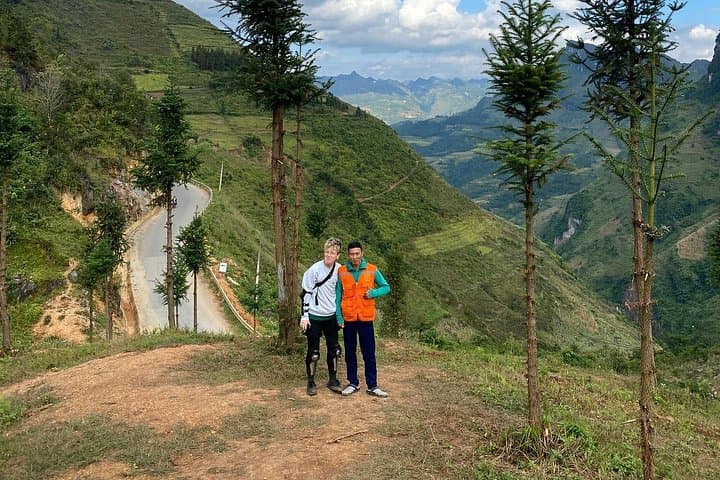
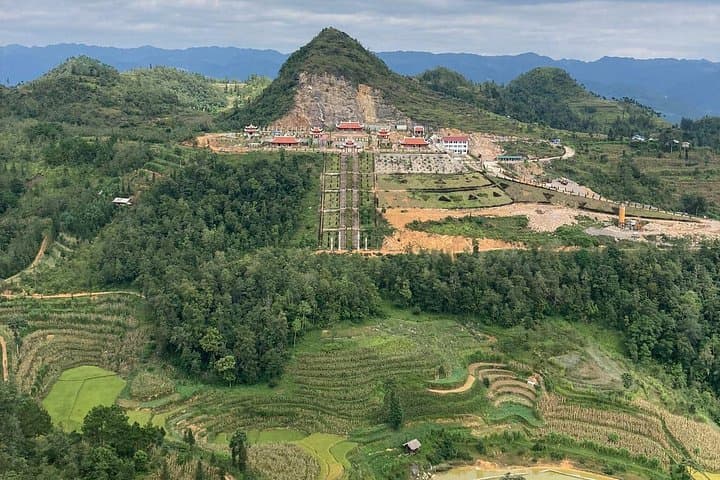
By mid-morning the road tightens: switchbacks cut through limestone ridges, and fields of terraced maize hand the landscape to isolated stone hamlets. This loop pushes 300–350 km across northern Vietnam’s Dong Van Karst Plateau, with days spent riding or riding-along through passes, river gorges and ancient market towns.
The region is a cultural crossroads. Hmong, Tay and Dao communities have farmed these slopes for centuries; villages still spin indigo cloth and roast corn wine. Geologically, the plateau is dramatic — folded karst limestone carved into sheer cliffs and deep canyons — a reason Dong Van is a UNESCO Global Geopark.
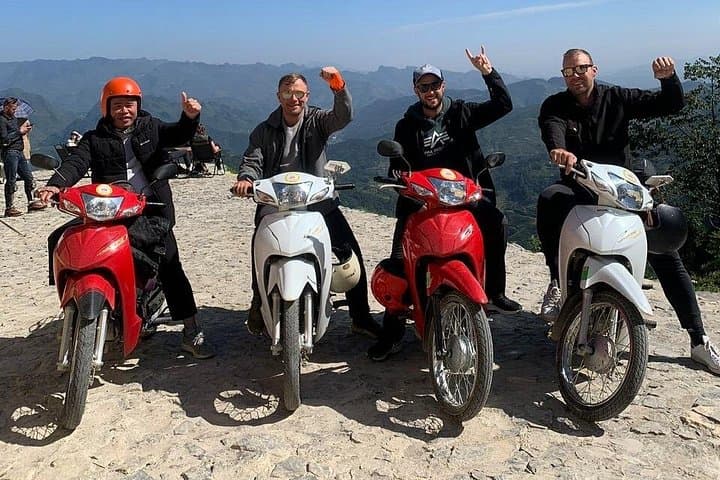
Expect steep climbs and rapid descents, narrow paved roads, and short on-foot stretches to viewpoints. Ma Pi Leng Pass is the highlight: a hairpin-rich ascent with panoramic drops to the Nho Que River, where boat trips reveal a canyon that seems to cut straight to the sky.
Practical plan: travel light, carry cash (remote villages rarely accept cards), and pack layers — mornings are cold, afternoons can be hot and windy. If you choose the motorbike option, be honest about your experience; the roads demand concentration. Book homestays ahead in high season, and schedule photography for golden-hour at Quan Ba Heaven Gate or the Lonely Tree overlooks.
Respect local customs, follow your guide’s lead on narrow sections, and you’ll leave with a small camera full of dramatic passes and a clearer sense of life on Vietnam’s northern edge.
Yes for the motorbike option: riders should be confident on narrow, twisty mountain roads; novices should choose the bus/van option.
Homestays vary from simple family rooms to basic guesthouses; they offer hot meals and cultural exchange but limited luxury—bring a small towel and personal items.
Services are concentrated in Ha Giang City, Dong Van and Meo Vac; bring cash and any essential medication before you leave major towns.
Yes—heavy rain or landslides can force route changes for safety; flexible schedules and a local guide help navigate alternatives.
Authentic HA GIANG operates guided outdoor trips and adventures with an emphasis on safety, stewardship, and memorable experiences.
You wake before dawn on a sleeper bus, windows streaked with mist, and watch the low hills outside Sapa flatten into river valleys as the van eats kilometers toward Ha Giang.
You wake before dawn on a sleeper bus, windows streaked with mist, and watch the low hills outside Sapa flatten into river valleys as the van eats kilometers toward Ha Giang.
By mid-morning the road tightens: switchbacks cut through limestone ridges, and fields of terraced maize hand the landscape to isolated stone hamlets. This loop pushes 300–350 km across northern Vietnam’s Dong Van Karst Plateau, with days spent riding or riding-along through passes, river gorges and ancient market towns.
The region is a cultural crossroads. Hmong, Tay and Dao communities have farmed these slopes for centuries; villages still spin indigo cloth and roast corn wine. Geologically, the plateau is dramatic — folded karst limestone carved into sheer cliffs and deep canyons — a reason Dong Van is a UNESCO Global Geopark.
Expect steep climbs and rapid descents, narrow paved roads, and short on-foot stretches to viewpoints. Ma Pi Leng Pass is the highlight: a hairpin-rich ascent with panoramic drops to the Nho Que River, where boat trips reveal a canyon that seems to cut straight to the sky.
Practical plan: travel light, carry cash (remote villages rarely accept cards), and pack layers — mornings are cold, afternoons can be hot and windy. If you choose the motorbike option, be honest about your experience; the roads demand concentration. Book homestays ahead in high season, and schedule photography for golden-hour at Quan Ba Heaven Gate or the Lonely Tree overlooks.
Respect local customs, follow your guide’s lead on narrow sections, and you’ll leave with a small camera full of dramatic passes and a clearer sense of life on Vietnam’s northern edge.