THE ADVENTURE COLLECTIVE® · Independent discovery and booking for outdoor travel

A four-day motorbike loop through Vietnam’s northern karst plateau, combining high mountain passes, a dramatic boat trip on Nho Que River, homestays and short hikes to caves and waterfalls. Perfect for travelers seeking raw scenery and cultural encounters with local ethnic groups.
A four-day motorbike loop through Vietnam’s northern karst plateau, combining high mountain passes, a dramatic boat trip on Nho Que River, homestays and short hikes to caves and waterfalls. Perfect for travelers seeking raw scenery and cultural encounters with local ethnic groups.
Morning light slices the karst ridges as a sleeper bus unwinds into Ha Giang province, and the road immediately starts to climb. Riders swap sleep for throttle, hugging narrow switchbacks that rise over Bac Sum and the Quan Ba Heaven Gate; the mountains here push and provoke, daring you to keep the pace.
Verified experiences and guided adventures in the surrounding area.
Operated by Rose Tourist · Ha Giang, Ha Giang Province
Morning light slices the karst ridges as a sleeper bus unwinds into Ha Giang province, and the road immediately starts to climb. Riders swap sleep for throttle, hugging narrow switchbacks that rise over Bac Sum and the Quan Ba Heaven Gate; the mountains here push and provoke, daring you to keep the pace.
Geology shapes the route: limestone towers, cone-shaped karst and the Dong Van Karst Plateau — a UNESCO geopark of folded reefs and ancient seabeds dating hundreds of millions of years. Culture is equally stark: Hmong, Tay and Dao villages punctuate terraces and smoke-blurred courtyards; Vuong Palace recalls the local power structures of the early 20th century. The Ma Pi Leng Pass opens to a vertiginous view of the Nho Que River canyon, where the water threads below like a dare.
Expect four days of mixed activity: short treks (Lung Khuy Cave 2 km approach), multiple motorbike rides on narrow paved and gravel roads, a boat on Nho Que, and a waterfall hike in Du Gia. Elevations move between roughly 800–1,400 m across the plateau; temperature swings and sudden rain are common.
Practical edge: start early to avoid midday heat and traffic, carry at least 2 liters of water, and use a helmet and sturdy shoes for village trails. Pack a lightweight rain jacket and layered clothing for cool nights in homestays. If you have limited mobility or cardiovascular issues, discuss options with the operator; some passes are steep and winding. The loop rewards riders who arrive curious and prepared — expect honest roads, high viewpoints, and intimate village encounters.
No — tours usually provide a motorbike and an experienced easy rider for those who do not want to ride themselves; confirm your role when booking.
Most hikes are short (1–3 km) but on uneven terrain; a basic level of mobility and balance is enough for the cave approaches and waterfall trails.
Yes — boats are guided and life jackets are typically provided, but avoid standing on the narrow boats and follow crew instructions.
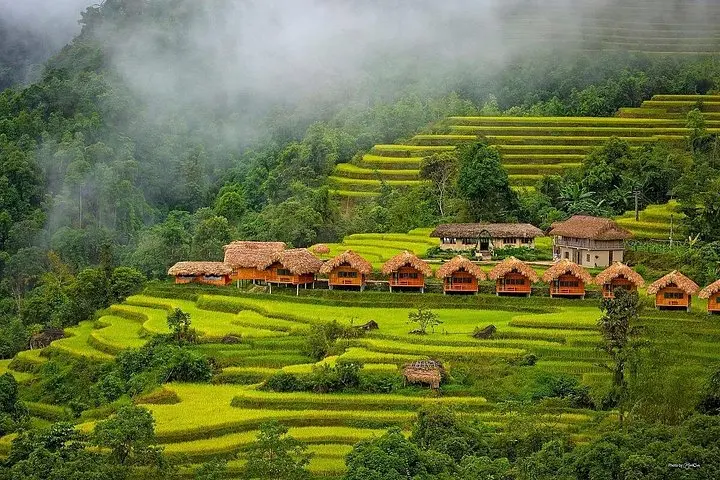
Accommodation is mainly homestays and basic local hotels; expect simple rooms, shared facilities and authentic home-cooked meals.
Rose Tourist operates guided outdoor trips and adventures with an emphasis on safety, stewardship, and memorable experiences.
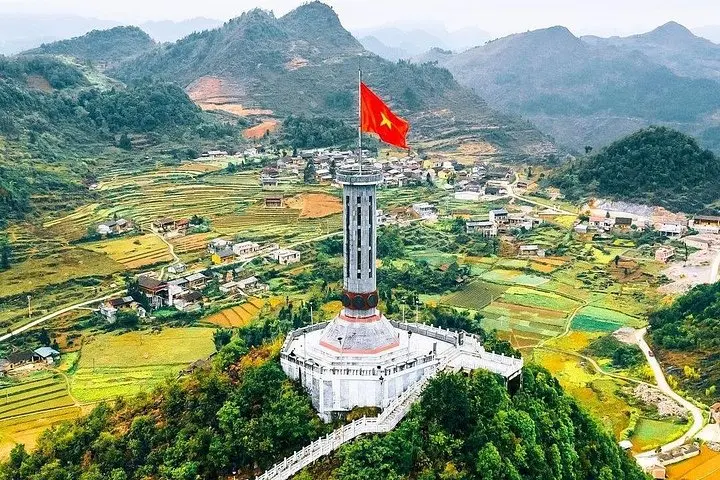
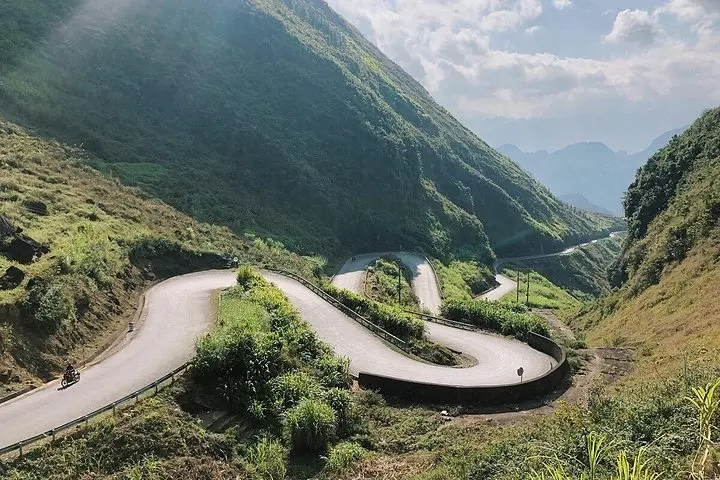
Morning light slices the karst ridges as a sleeper bus unwinds into Ha Giang province, and the road immediately starts to climb. Riders swap sleep for throttle, hugging narrow switchbacks that rise over Bac Sum and the Quan Ba Heaven Gate; the mountains here push and provoke, daring you to keep the pace.
Morning light slices the karst ridges as a sleeper bus unwinds into Ha Giang province, and the road immediately starts to climb. Riders swap sleep for throttle, hugging narrow switchbacks that rise over Bac Sum and the Quan Ba Heaven Gate; the mountains here push and provoke, daring you to keep the pace.
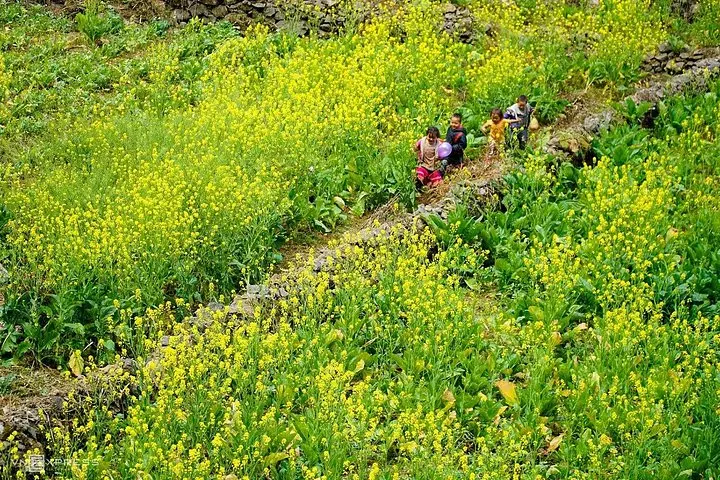
Geology shapes the route: limestone towers, cone-shaped karst and the Dong Van Karst Plateau — a UNESCO geopark of folded reefs and ancient seabeds dating hundreds of millions of years. Culture is equally stark: Hmong, Tay and Dao villages punctuate terraces and smoke-blurred courtyards; Vuong Palace recalls the local power structures of the early 20th century. The Ma Pi Leng Pass opens to a vertiginous view of the Nho Que River canyon, where the water threads below like a dare.
Expect four days of mixed activity: short treks (Lung Khuy Cave 2 km approach), multiple motorbike rides on narrow paved and gravel roads, a boat on Nho Que, and a waterfall hike in Du Gia. Elevations move between roughly 800–1,400 m across the plateau; temperature swings and sudden rain are common.
Practical edge: start early to avoid midday heat and traffic, carry at least 2 liters of water, and use a helmet and sturdy shoes for village trails. Pack a lightweight rain jacket and layered clothing for cool nights in homestays. If you have limited mobility or cardiovascular issues, discuss options with the operator; some passes are steep and winding. The loop rewards riders who arrive curious and prepared — expect honest roads, high viewpoints, and intimate village encounters.