THE ADVENTURE COLLECTIVE® · Independent discovery and booking for outdoor travel

A four-day motorbike loop from Hanoi through the Ha Giang highlands—routes over Bac Sum and Ma Pi Leng Passes, boat time on the Nho Que River, treks to limestone caves, and homestays with ethnic minority communities. Practical and scenic, this trip combines riding, hiking and cultural stops.
A four-day motorbike loop from Hanoi through the Ha Giang highlands—routes over Bac Sum and Ma Pi Leng Passes, boat time on the Nho Que River, treks to limestone caves, and homestays with ethnic minority communities. Practical and scenic, this trip combines riding, hiking and cultural stops.
Dawn on the sleeper bus, and by first light you stand on the edge of Vietnam’s northern spine—wrinkled limestone ridges slicing through mist. The Ha Giang Loop presses you into narrow passes, winds that seem to challenge you, and river canyons that pull your gaze down into dizzying blue-green depths.
Verified experiences and guided adventures in the surrounding area.
Operated by Before2 · Ha Giang, Ha Giang Province
Dawn on the sleeper bus, and by first light you stand on the edge of Vietnam’s northern spine—wrinkled limestone ridges slicing through mist. The Ha Giang Loop presses you into narrow passes, winds that seem to challenge you, and river canyons that pull your gaze down into dizzying blue-green depths.
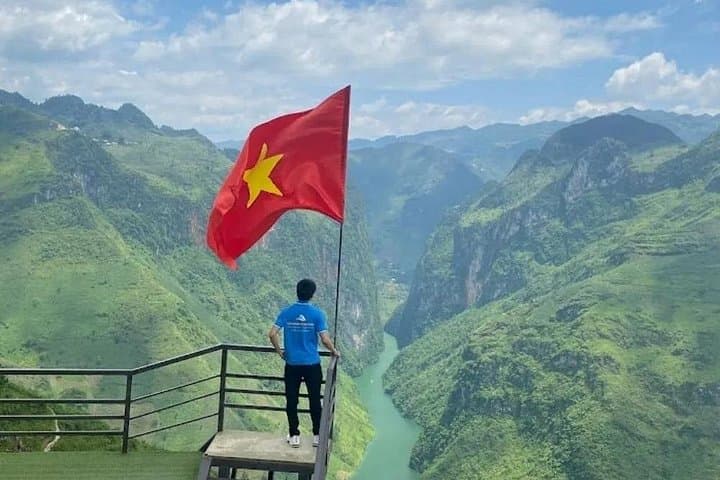
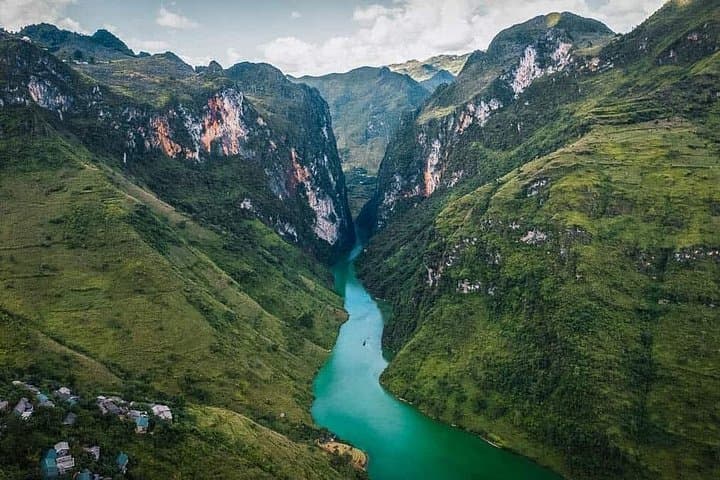
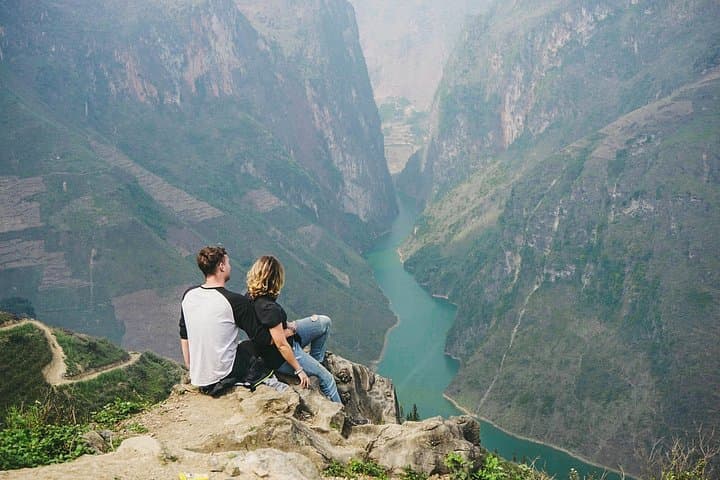
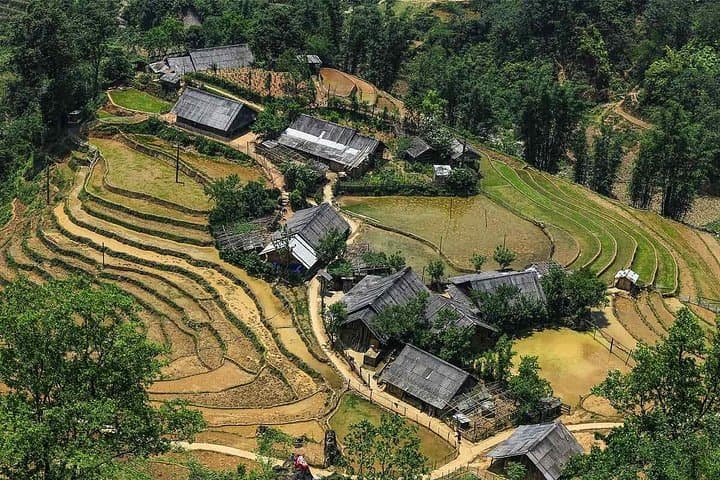
This four-day itinerary threads Bac Sum Pass and Quan Ba Heaven Gate, cuts across the Dong Van Karst Plateau (a UNESCO Global Geopark), and crowns the route at Ma Pi Leng Pass where the Nho Que River forces a canyon through the rock. The region’s limestone was born beneath an ancient sea and today reads like a geological record of uplift and erosion; Hmong and Tay communities farm stepped terraces and maintain century-old wooden homesteads—Vuong Palace stands as a rare reminder of local power in the early 20th century.
Expect a mix of short treks (Lung Khuy Cave, Sky Path), a slow boat on the Nho Que to inspect Tu San canyon, and relaxed homestays with shared meals. The riding is on semi-automatic 110cc bikes over paved and narrow mountain roads; some corners are steep and exposed. Practical guidance: carry cash for remote villages, layer for cold mornings, secure helmets and rain protection supplied but bring a lightweight riding jacket, and allow time for altitude and winding roads. Hydrate often—cold or hot, the mountains demand respect.
By trip’s end you’ll have crossed cultural thresholds—markets, minority villages, and rivers—and returned to Hanoi with the tangible fatigue and the particular clarity that only a highland loop can deliver.
This group tour typically provides a semi-automatic 110cc bike and pairs riders; you can choose to ride or be a pillion—confirm at booking.
Homestays are simple but clean with shared facilities; some nights are in dorm-style rooms—bring a light sleep sheet if you prefer.
Yes—group departures accommodate single travelers and provide guides and local support throughout the loop.
Not recommended for people with serious back, heart problems, or pregnancy due to long drives, uneven roads, and physical activity; moderate fitness is required.
Before2 operates guided outdoor trips and adventures with an emphasis on safety, stewardship, and memorable experiences.
Dawn on the sleeper bus, and by first light you stand on the edge of Vietnam’s northern spine—wrinkled limestone ridges slicing through mist. The Ha Giang Loop presses you into narrow passes, winds that seem to challenge you, and river canyons that pull your gaze down into dizzying blue-green depths.
Dawn on the sleeper bus, and by first light you stand on the edge of Vietnam’s northern spine—wrinkled limestone ridges slicing through mist. The Ha Giang Loop presses you into narrow passes, winds that seem to challenge you, and river canyons that pull your gaze down into dizzying blue-green depths.
This four-day itinerary threads Bac Sum Pass and Quan Ba Heaven Gate, cuts across the Dong Van Karst Plateau (a UNESCO Global Geopark), and crowns the route at Ma Pi Leng Pass where the Nho Que River forces a canyon through the rock. The region’s limestone was born beneath an ancient sea and today reads like a geological record of uplift and erosion; Hmong and Tay communities farm stepped terraces and maintain century-old wooden homesteads—Vuong Palace stands as a rare reminder of local power in the early 20th century.
Expect a mix of short treks (Lung Khuy Cave, Sky Path), a slow boat on the Nho Que to inspect Tu San canyon, and relaxed homestays with shared meals. The riding is on semi-automatic 110cc bikes over paved and narrow mountain roads; some corners are steep and exposed. Practical guidance: carry cash for remote villages, layer for cold mornings, secure helmets and rain protection supplied but bring a lightweight riding jacket, and allow time for altitude and winding roads. Hydrate often—cold or hot, the mountains demand respect.
By trip’s end you’ll have crossed cultural thresholds—markets, minority villages, and rivers—and returned to Hanoi with the tangible fatigue and the particular clarity that only a highland loop can deliver.