THE ADVENTURE COLLECTIVE® · Independent discovery and booking for outdoor travel

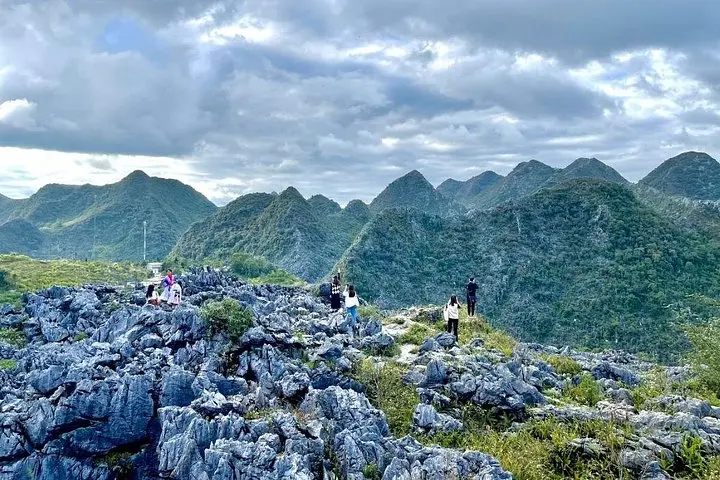
A private 4-day loop through Ha Giang’s dramatic karst plateau: high passes, ethnic villages and the famous Ma Pi Leng ridge. Expect long scenic drives, homestays, and panoramic viewpoints.
A private 4-day loop through Ha Giang’s dramatic karst plateau: high passes, ethnic villages and the famous Ma Pi Leng ridge. Expect long scenic drives, homestays, and panoramic viewpoints.
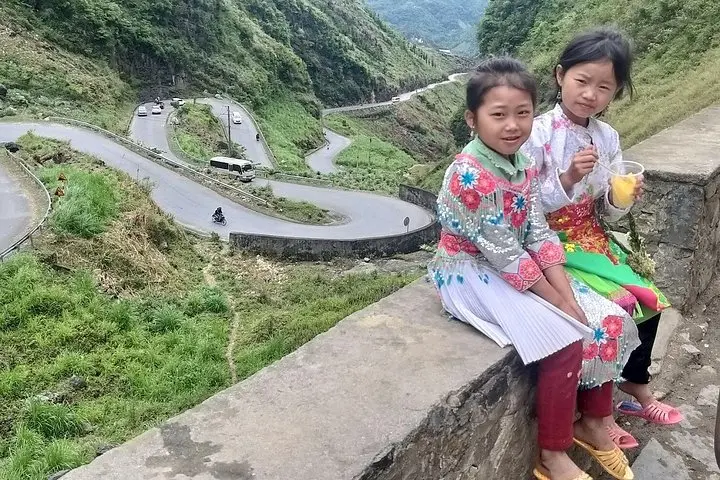
You leave Hanoi before sunrise and the highway peels away into rising limestone teeth. The private car climbs, the road narrows into switchbacks and—half an hour later—you're at Bac Sum’s serpentine hairpins, a ribbon of asphalt threading through rice benchlands and tiny clay houses.
Verified experiences and guided adventures in the surrounding area.
Operated by Authentic HA GIANG · Ha Giang, Ha Giang
You leave Hanoi before sunrise and the highway peels away into rising limestone teeth. The private car climbs, the road narrows into switchbacks and—half an hour later—you're at Bac Sum’s serpentine hairpins, a ribbon of asphalt threading through rice benchlands and tiny clay houses.
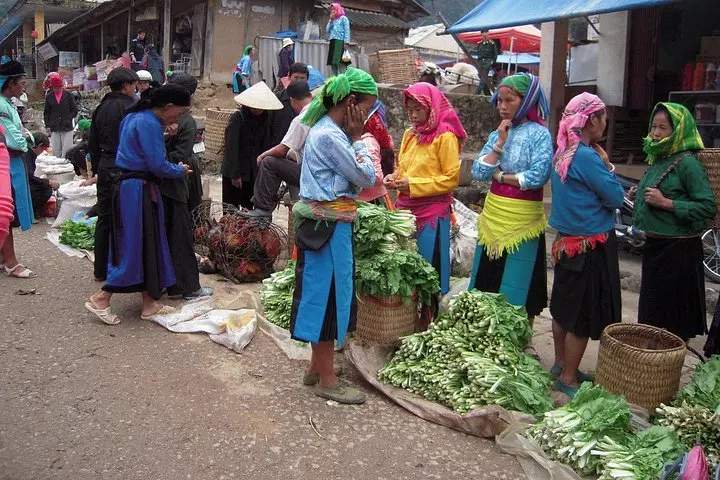
Over four days the route pushes you higher: Heaven Gate perches above 1,200 m with a sweep of karst ridges; Ma Pi Leng reaches roughly 2,000 m and looks down on the Nho Que River daring you to step closer to the view. Between passes you find villages of Hmong, Dao, Tay and Lo Lo communities—clay houses, woven textiles and markets where language and color pace the day. The Dong Van Karst Plateau Geopark frames the whole loop, its limestone carved by millennia of rain and river.
Practically: expect 5–6 hours driving from Hanoi to Ha Giang, then a mix of daily drives of 3–6 hours, short village walks and homestay evenings. Roads are paved but winding; motion sickness is common. Elevation gain is rapid—carry layers, sun protection and basic meds. Bring cash for markets and modest gifts for host families. Mornings are best for clear views; afternoons can fog in the passes.
This is a cultural-road adventure more than a trek—low technical demand, high sensory payoff. The landscape moves around you like a slow, persistent tide: rivers nudge, cliffs loom and villages keep their own steady rhythm.
The tour includes private pickup in Hanoi; you’ll be advised of the exact pickup time and location when you book.
Elevations reach about 1,200–2,000 m on passes—most travelers acclimate fine, but those with serious cardiovascular issues should consult a doctor.
Homestays are basic and welcoming: expect simple bedding, shared bathrooms in some places and home-cooked meals.
As a private-car tour, stops can often be adjusted on request—confirm changes with the operator in advance for timing and costs.
Authentic HA GIANG operates guided outdoor trips and adventures with an emphasis on safety, stewardship, and memorable experiences.
You leave Hanoi before sunrise and the highway peels away into rising limestone teeth. The private car climbs, the road narrows into switchbacks and—half an hour later—you're at Bac Sum’s serpentine hairpins, a ribbon of asphalt threading through rice benchlands and tiny clay houses.
You leave Hanoi before sunrise and the highway peels away into rising limestone teeth. The private car climbs, the road narrows into switchbacks and—half an hour later—you're at Bac Sum’s serpentine hairpins, a ribbon of asphalt threading through rice benchlands and tiny clay houses.
Over four days the route pushes you higher: Heaven Gate perches above 1,200 m with a sweep of karst ridges; Ma Pi Leng reaches roughly 2,000 m and looks down on the Nho Que River daring you to step closer to the view. Between passes you find villages of Hmong, Dao, Tay and Lo Lo communities—clay houses, woven textiles and markets where language and color pace the day. The Dong Van Karst Plateau Geopark frames the whole loop, its limestone carved by millennia of rain and river.
Practically: expect 5–6 hours driving from Hanoi to Ha Giang, then a mix of daily drives of 3–6 hours, short village walks and homestay evenings. Roads are paved but winding; motion sickness is common. Elevation gain is rapid—carry layers, sun protection and basic meds. Bring cash for markets and modest gifts for host families. Mornings are best for clear views; afternoons can fog in the passes.
This is a cultural-road adventure more than a trek—low technical demand, high sensory payoff. The landscape moves around you like a slow, persistent tide: rivers nudge, cliffs loom and villages keep their own steady rhythm.