THE ADVENTURE COLLECTIVE® · Independent discovery and booking for outdoor travel

A private 4-day loop from Ha Giang city that threads Ma Pi Leng Pass, Dong Van, Meo Vac and the Nho Que River. Expect dramatic karst canyons, ethnic homestays, winding mountain roads and a mix of driving and short walks.
A private 4-day loop from Ha Giang city that threads Ma Pi Leng Pass, Dong Van, Meo Vac and the Nho Que River. Expect dramatic karst canyons, ethnic homestays, winding mountain roads and a mix of driving and short walks.
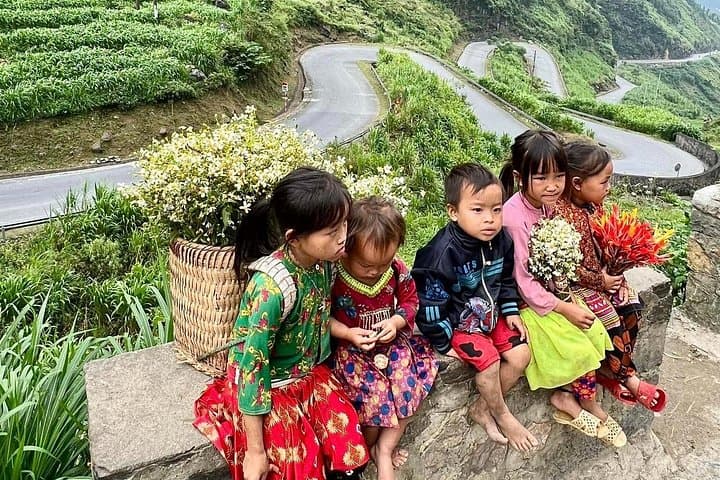
You crest a hairpin and the road drops away beneath you: the mountains of northern Vietnam open into stacked mesas, carved by wind and river. The Ma Pi Leng ridge looms ahead, a narrow spine of rock with the Nho Que River daring you from the canyon floor. On this private 4-day loop from Ha Giang city, the landscape moves fast—river canyons, ragged karst outcrops, and terraced fields clinging to impossible slopes.
Verified experiences and guided adventures in the surrounding area.
Operated by Authentic HA GIANG · Ha Giang, Ha Giang Province
You crest a hairpin and the road drops away beneath you: the mountains of northern Vietnam open into stacked mesas, carved by wind and river. The Ma Pi Leng ridge looms ahead, a narrow spine of rock with the Nho Que River daring you from the canyon floor. On this private 4-day loop from Ha Giang city, the landscape moves fast—river canyons, ragged karst outcrops, and terraced fields clinging to impossible slopes.
This route traces routes used for centuries by Hmong, Tay, and Dao communities. Geologically the Dong Van Karst Plateau is limestone worn into cliffs and pillars; erosion and uplift created dramatic canyons like Tu San. Cultural layers are visible in woven textiles, stilted homestays, and markets where ethnic minorities trade produce and cowry-like beads.
Expect long drives on narrow mountain roads (the Hanoi–Ha Giang transfer is roughly a six-hour drive), multiple short hikes and viewpoints, a boat ride on the Nho Que, and nights in private-room homestays or small hotels. Guides explain local history and the practicalities of remote travel: limited ATM access, basic facilities in villages, and sudden weather shifts. Bring sturdy shoes, a light waterproof, and patience for winding passes. Hydrate on high-altitude days and move deliberately on steep roadside sections.
This loop plays to travelers who want raw landscapes, cultural contact, and hands-on logistics handled by a local guide and driver. Travel windows are spring and autumn for stable weather; winter can be cold and summer brings heavy rains—plan accordingly.
This tour offers private transfer from Hanoi (approx. 6 hours). Sleeper bus options can be arranged separately if preferred.
Yes—drivers are experienced on mountain roads, but expect narrow, winding stretches; choose a private transfer if you prefer not to ride a motorbike.
Accommodations are a mix of simple private-room homestays and small local hotels, with basic but clean facilities and home-cooked regional meals.
Spring (March–May) and autumn (September–November) offer more stable weather and clearer skies; summer brings heavy rain and winter can be cold and foggy.
Authentic HA GIANG operates guided outdoor trips and adventures with an emphasis on safety, stewardship, and memorable experiences.



You crest a hairpin and the road drops away beneath you: the mountains of northern Vietnam open into stacked mesas, carved by wind and river. The Ma Pi Leng ridge looms ahead, a narrow spine of rock with the Nho Que River daring you from the canyon floor. On this private 4-day loop from Ha Giang city, the landscape moves fast—river canyons, ragged karst outcrops, and terraced fields clinging to impossible slopes.
You crest a hairpin and the road drops away beneath you: the mountains of northern Vietnam open into stacked mesas, carved by wind and river. The Ma Pi Leng ridge looms ahead, a narrow spine of rock with the Nho Que River daring you from the canyon floor. On this private 4-day loop from Ha Giang city, the landscape moves fast—river canyons, ragged karst outcrops, and terraced fields clinging to impossible slopes.
This route traces routes used for centuries by Hmong, Tay, and Dao communities. Geologically the Dong Van Karst Plateau is limestone worn into cliffs and pillars; erosion and uplift created dramatic canyons like Tu San. Cultural layers are visible in woven textiles, stilted homestays, and markets where ethnic minorities trade produce and cowry-like beads.
Expect long drives on narrow mountain roads (the Hanoi–Ha Giang transfer is roughly a six-hour drive), multiple short hikes and viewpoints, a boat ride on the Nho Que, and nights in private-room homestays or small hotels. Guides explain local history and the practicalities of remote travel: limited ATM access, basic facilities in villages, and sudden weather shifts. Bring sturdy shoes, a light waterproof, and patience for winding passes. Hydrate on high-altitude days and move deliberately on steep roadside sections.
This loop plays to travelers who want raw landscapes, cultural contact, and hands-on logistics handled by a local guide and driver. Travel windows are spring and autumn for stable weather; winter can be cold and summer brings heavy rains—plan accordingly.