THE ADVENTURE COLLECTIVE® · Independent discovery and booking for outdoor travel

Ride the Ha Giang Loop over four days: towering karst passes, a river boat through Tu San Canyon, and homestays with Hmong and Dao communities. Expect 350 km of narrow mountain roads, dramatic viewpoints and hands-on cultural encounters.
Ride the Ha Giang Loop over four days: towering karst passes, a river boat through Tu San Canyon, and homestays with Hmong and Dao communities. Expect 350 km of narrow mountain roads, dramatic viewpoints and hands-on cultural encounters.
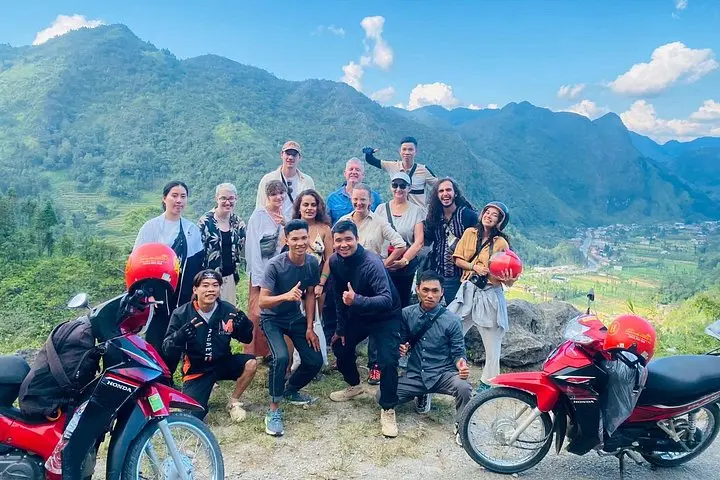
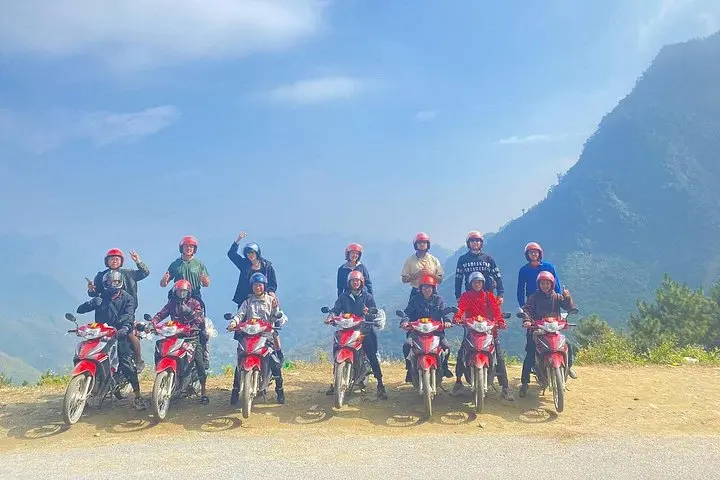
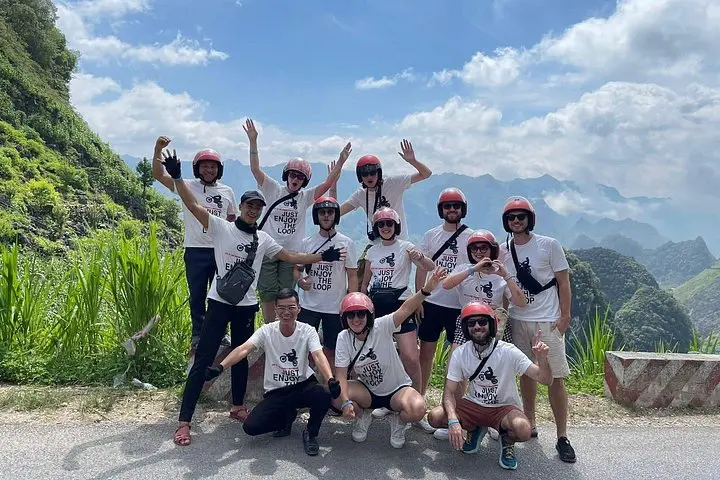
The engines wake before dawn and the road opens like a promise — narrow asphalt ribbon, hairpin bends, cliffs that lean into the sky. You settle behind a seasoned rider and the valley exhales: rice terraces, carved ridgelines, and limestone towers that seem to dare you to look down. Over four days you cover roughly 350 km of mountain spine, each pass reshaping the horizon.
Verified experiences and guided adventures in the surrounding area.
Operated by TripBestie Ha Giang · Ha Giang, Ha Giang Province
The engines wake before dawn and the road opens like a promise — narrow asphalt ribbon, hairpin bends, cliffs that lean into the sky. You settle behind a seasoned rider and the valley exhales: rice terraces, carved ridgelines, and limestone towers that seem to dare you to look down. Over four days you cover roughly 350 km of mountain spine, each pass reshaping the horizon.
This is the Dong Van Karst Plateau, a landscape shaped by ancient seas and relentless erosion; its karst towers and deep gorges are geological chapters exposed in stone. Human history here is layered too — Hmong, Dao and Tay communities have farmed terraces and woven linen for generations. Markets in Dong Van and Du Gia still trade in woven cloth, livestock and local herbs, offering a direct line to living tradition.
Expect paved but narrow roads, frequent hairpins, occasional gravel patches and sudden weather shifts as elevation changes. The itinerary pairs high passes (including the dramatic Ma Pi Leng) with a quiet boat ride down the Nho Que River into Tu San Canyon and a cooling dip beneath Du Gia waterfall. Nights alternate between modest hotels and family-run homestays where communal meals and storytelling fill the evening.
Practically: travel light, layer for cold mornings and hot afternoons, and hydrate — daily legs are long but broken into scenic stops. Follow your guide’s safety brief, keep small cash for markets and tipping, and plan for basic cell coverage gaps. This loop is equal parts road adventure and cultural immersion — fast-moving on two wheels, slow-moving at the villages.
No — the tour provides a seasoned local rider for each guest; participants are primarily passengers unless a self-riding option is requested and confirmed.
Daily travel varies but averages several hours; the full loop is about 350 km spread across four days with regular stops for viewpoints, meals and short walks.
Accommodations alternate between modest 2–3 star hotels and family-run homestays that offer simple but comfortable rooms and home-cooked meals.
Yes — the Nho Que river boat trip through Tu San Canyon is included; local boatmen provide life jackets and guidance though conditions depend on river level and weather.
TripBestie Ha Giang operates guided outdoor trips and adventures with an emphasis on safety, stewardship, and memorable experiences.
The engines wake before dawn and the road opens like a promise — narrow asphalt ribbon, hairpin bends, cliffs that lean into the sky. You settle behind a seasoned rider and the valley exhales: rice terraces, carved ridgelines, and limestone towers that seem to dare you to look down. Over four days you cover roughly 350 km of mountain spine, each pass reshaping the horizon.
The engines wake before dawn and the road opens like a promise — narrow asphalt ribbon, hairpin bends, cliffs that lean into the sky. You settle behind a seasoned rider and the valley exhales: rice terraces, carved ridgelines, and limestone towers that seem to dare you to look down. Over four days you cover roughly 350 km of mountain spine, each pass reshaping the horizon.
This is the Dong Van Karst Plateau, a landscape shaped by ancient seas and relentless erosion; its karst towers and deep gorges are geological chapters exposed in stone. Human history here is layered too — Hmong, Dao and Tay communities have farmed terraces and woven linen for generations. Markets in Dong Van and Du Gia still trade in woven cloth, livestock and local herbs, offering a direct line to living tradition.
Expect paved but narrow roads, frequent hairpins, occasional gravel patches and sudden weather shifts as elevation changes. The itinerary pairs high passes (including the dramatic Ma Pi Leng) with a quiet boat ride down the Nho Que River into Tu San Canyon and a cooling dip beneath Du Gia waterfall. Nights alternate between modest hotels and family-run homestays where communal meals and storytelling fill the evening.
Practically: travel light, layer for cold mornings and hot afternoons, and hydrate — daily legs are long but broken into scenic stops. Follow your guide’s safety brief, keep small cash for markets and tipping, and plan for basic cell coverage gaps. This loop is equal parts road adventure and cultural immersion — fast-moving on two wheels, slow-moving at the villages.