THE ADVENTURE COLLECTIVE® · Independent discovery and booking for outdoor travel

A five-day, four-night road journey across Vietnam’s northernmost Dong Van plateau that combines dramatic passes, ethnic villages and national landmarks like Lung Cu flagpole. Expect long scenic drives, short cultural walks, and abrupt mountain weather.
A five-day, four-night road journey across Vietnam’s northernmost Dong Van plateau that combines dramatic passes, ethnic villages and national landmarks like Lung Cu flagpole. Expect long scenic drives, short cultural walks, and abrupt mountain weather.
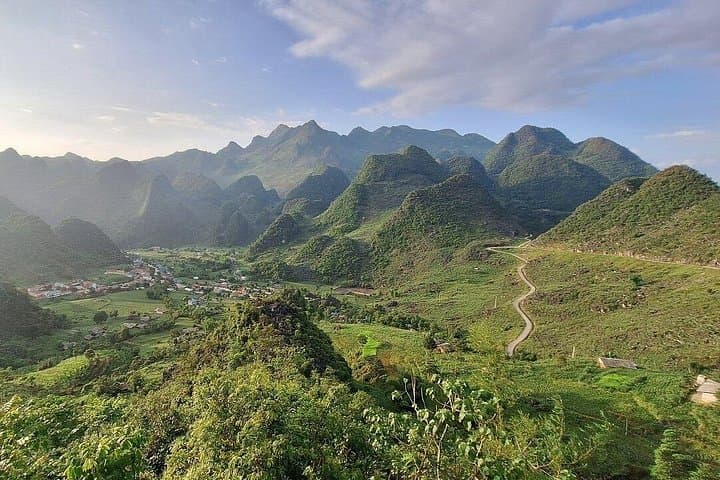
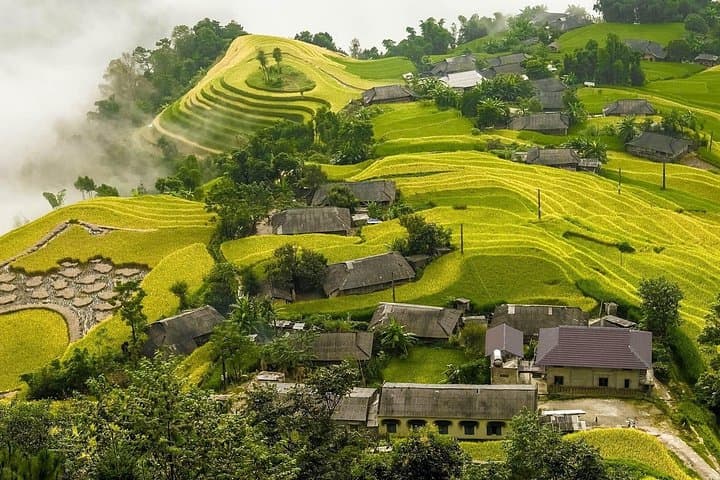
You step out of the limousine and cold mountain air cuts across the windshield like a fresh page. The road peels away from Ha Giang City into ribboned switchbacks that climb the karst-strewn Dong Van plateau; cliffs drop to river clefts and terraces cling to steep slopes like hand-stitched layers. Morning mist slips through the Quan Ba twin peaks and Ma Pi Leng dares drivers with its narrow ledges while the Nho Que River threads the valley below.
Verified experiences and guided adventures in the surrounding area.
Operated by Authentic Travel HOI AN · Ha Giang, Ha Giang Province
You step out of the limousine and cold mountain air cuts across the windshield like a fresh page. The road peels away from Ha Giang City into ribboned switchbacks that climb the karst-strewn Dong Van plateau; cliffs drop to river clefts and terraces cling to steep slopes like hand-stitched layers. Morning mist slips through the Quan Ba twin peaks and Ma Pi Leng dares drivers with its narrow ledges while the Nho Que River threads the valley below.
This corridor has held frontier cultures for centuries—H'Mong, Tay, Lo Lo and others shaped villages, marketplaces and the Hmong King’s Palace during the late 19th–20th centuries. Geologically the region is Permian limestone and shale uplifted into a harsh, angular plateau; wind and rain carve dramatic passes and caves. Local life is visible in Dong Van’s old quarter markets, in Lung Cam’s earthen homes, and at Lung Cu flagpole where national history meets highland ritual.
Practical guidance: expect long drives (multiple 3–7 hour legs), frequent short walks and stair climbs, and abrupt weather shifts. Bring layered clothing, waterproof outerwear, cash for remote vendors, and sturdy shoes for village paths. Travel time is best spent early—sunrise softens the plateau and visibility is highest for Ma Pi Leng and Quan Ba viewpoints. Allow extra time for slow roads and village visits; respect local customs, ask before photographing people, and hydrate on high-altitude mornings. This is a scenic, culturally rich road trip—mostly driven, but with enough walking and viewpoints to make every stop feel earned.
Expect several long transfers—some legs are 3–7 hours over mountain roads; the tour spaces stops for sightseeing and meals.
Yes; the itinerary alternates between 2-star hotels and local homestays in villages such as Pa Vi and Dong Van.
Due to stairs, uneven surfaces and narrow paths at viewpoints, it’s not recommended for travelers with significant mobility limits.
Foreign visitors require a valid Vietnam visa; Lung Cu and nearby border areas are accessible without extra permits, but carry identification.
Authentic Travel HOI AN operates guided outdoor trips and adventures with an emphasis on safety, stewardship, and memorable experiences.
You step out of the limousine and cold mountain air cuts across the windshield like a fresh page. The road peels away from Ha Giang City into ribboned switchbacks that climb the karst-strewn Dong Van plateau; cliffs drop to river clefts and terraces cling to steep slopes like hand-stitched layers. Morning mist slips through the Quan Ba twin peaks and Ma Pi Leng dares drivers with its narrow ledges while the Nho Que River threads the valley below.
You step out of the limousine and cold mountain air cuts across the windshield like a fresh page. The road peels away from Ha Giang City into ribboned switchbacks that climb the karst-strewn Dong Van plateau; cliffs drop to river clefts and terraces cling to steep slopes like hand-stitched layers. Morning mist slips through the Quan Ba twin peaks and Ma Pi Leng dares drivers with its narrow ledges while the Nho Que River threads the valley below.
This corridor has held frontier cultures for centuries—H'Mong, Tay, Lo Lo and others shaped villages, marketplaces and the Hmong King’s Palace during the late 19th–20th centuries. Geologically the region is Permian limestone and shale uplifted into a harsh, angular plateau; wind and rain carve dramatic passes and caves. Local life is visible in Dong Van’s old quarter markets, in Lung Cam’s earthen homes, and at Lung Cu flagpole where national history meets highland ritual.
Practical guidance: expect long drives (multiple 3–7 hour legs), frequent short walks and stair climbs, and abrupt weather shifts. Bring layered clothing, waterproof outerwear, cash for remote vendors, and sturdy shoes for village paths. Travel time is best spent early—sunrise softens the plateau and visibility is highest for Ma Pi Leng and Quan Ba viewpoints. Allow extra time for slow roads and village visits; respect local customs, ask before photographing people, and hydrate on high-altitude mornings. This is a scenic, culturally rich road trip—mostly driven, but with enough walking and viewpoints to make every stop feel earned.