THE ADVENTURE COLLECTIVE® · Independent discovery and booking for outdoor travel

A five-day circuit from Hanoi that covers Ha Giang town, Dong Van plateau, Ma Pi Leng Pass and the Nho Que River. This guided loop combines dramatic karst scenery, homestay nights and cultural visits to H’Mong villages—ideal for photographers and active travelers.
A five-day circuit from Hanoi that covers Ha Giang town, Dong Van plateau, Ma Pi Leng Pass and the Nho Que River. This guided loop combines dramatic karst scenery, homestay nights and cultural visits to H’Mong villages—ideal for photographers and active travelers.
A cold, star-faint morning in Hanoi gives way to a dimly lit sleeper bus rolling north; by dawn the limestone ribs of the Dong Van Plateau rise like an ancient city wall. Travelers step out into Ha Giang town and, within hours, find themselves climbing switchbacks where the wind seems to test your resolve and the road narrows into an edge-walking ribbon.
Verified experiences and guided adventures in the surrounding area.
Operated by Local Tours ASIA · Ha Giang, Ha Giang Province
A cold, star-faint morning in Hanoi gives way to a dimly lit sleeper bus rolling north; by dawn the limestone ribs of the Dong Van Plateau rise like an ancient city wall. Travelers step out into Ha Giang town and, within hours, find themselves climbing switchbacks where the wind seems to test your resolve and the road narrows into an edge-walking ribbon.
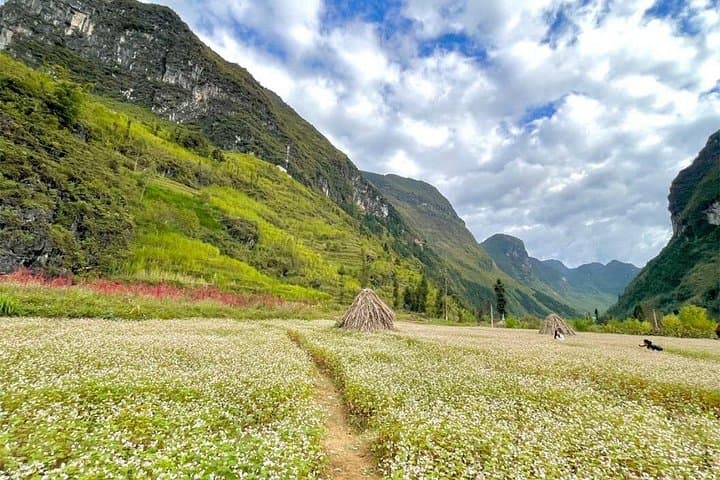
This five-day loop threads history and geology: the karst plateau—carved over millions of years—breaks into serrated peaks and deep canyons, while villages of H’Mong and Tay people keep centuries-old weaving, corn-wine and communal house traditions alive. The Vuong mansion in Sa Phin shows the imprint of H’Mong leadership under French colonial influence, and markets in Dong Van and Meo Vac remain social hubs where barter and stories travel as quickly as goods.
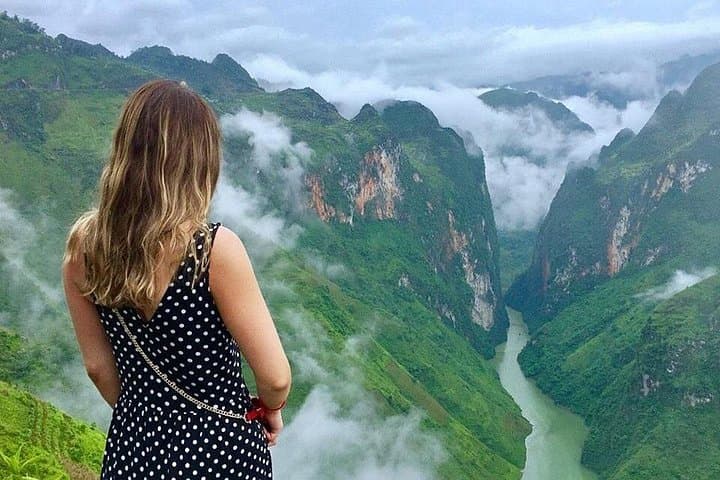
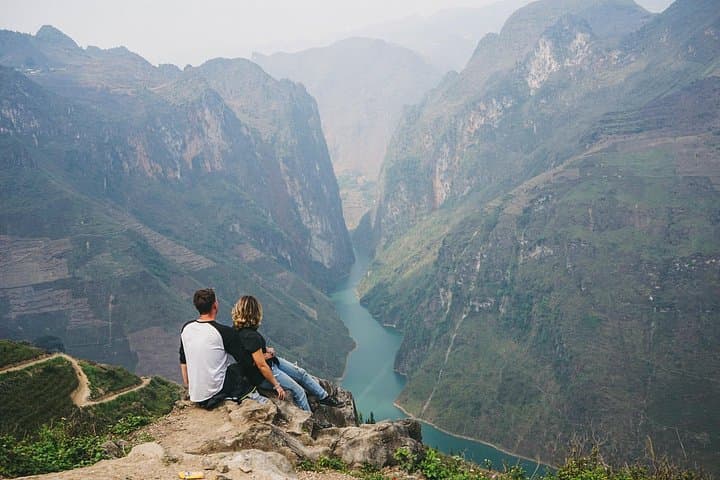
Expect a mix of driving, short walks, a boat trip on the Nho Que River and overnight dorm-style homestays where floors creak and hosts prepare regional bowls of pho and mountain-style stews. Ma Pi Leng Pass delivers vertiginous viewpoints and a sense that the canyon below is breathing; the Nho Que River pushes through the Tu San gorge like a narrow, steady vein.
Practically: be ready for long road hours, variable weather and basic overnight facilities. Bring layered clothing, good walking shoes, and a small daypack for camera gear and rain protection. Hydrate on the road, respect local customs in homestays, and expect rapid shifts from sun to drizzle—Ha Giang rewards patience with wide, unforgettable panoramas.
Homestays are basic dorm-style accommodations with shared bathrooms and simple hot water—expect local meals, communal sleeping areas and an authentic cultural setting rather than hotel comforts.
Yes; the boat trip on the river is guided and relatively calm, though water levels vary by season—operators provide basic safety guidance and life jackets when required.
Most international travelers need a Vietnam visa or e-visa before arrival; no special permits are required for the Ha Giang loop beyond normal entry requirements.
Late autumn (Sept–Nov) and spring (Feb–Apr) offer the clearest views; summer brings heavy rain and winter can be cold and foggy at high elevations—pack layers accordingly.
Local Tours ASIA operates guided outdoor trips and adventures with an emphasis on safety, stewardship, and memorable experiences.
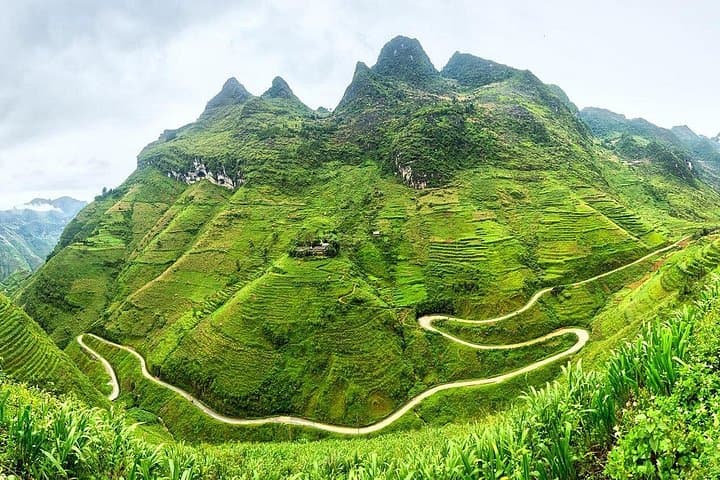
A cold, star-faint morning in Hanoi gives way to a dimly lit sleeper bus rolling north; by dawn the limestone ribs of the Dong Van Plateau rise like an ancient city wall. Travelers step out into Ha Giang town and, within hours, find themselves climbing switchbacks where the wind seems to test your resolve and the road narrows into an edge-walking ribbon.
A cold, star-faint morning in Hanoi gives way to a dimly lit sleeper bus rolling north; by dawn the limestone ribs of the Dong Van Plateau rise like an ancient city wall. Travelers step out into Ha Giang town and, within hours, find themselves climbing switchbacks where the wind seems to test your resolve and the road narrows into an edge-walking ribbon.
This five-day loop threads history and geology: the karst plateau—carved over millions of years—breaks into serrated peaks and deep canyons, while villages of H’Mong and Tay people keep centuries-old weaving, corn-wine and communal house traditions alive. The Vuong mansion in Sa Phin shows the imprint of H’Mong leadership under French colonial influence, and markets in Dong Van and Meo Vac remain social hubs where barter and stories travel as quickly as goods.
Expect a mix of driving, short walks, a boat trip on the Nho Que River and overnight dorm-style homestays where floors creak and hosts prepare regional bowls of pho and mountain-style stews. Ma Pi Leng Pass delivers vertiginous viewpoints and a sense that the canyon below is breathing; the Nho Que River pushes through the Tu San gorge like a narrow, steady vein.
Practically: be ready for long road hours, variable weather and basic overnight facilities. Bring layered clothing, good walking shoes, and a small daypack for camera gear and rain protection. Hydrate on the road, respect local customs in homestays, and expect rapid shifts from sun to drizzle—Ha Giang rewards patience with wide, unforgettable panoramas.