THE ADVENTURE COLLECTIVE® · Independent discovery and booking for outdoor travel

A three-day circuit from Hanoi into Ha Giang’s karst plateau: ride across Ma Pi Leng Pass, trek the Sky Path and float the Nho Que River while staying in homestays and meeting Hmong, Dao and Tay communities. Practical and scenic, this loop blends dramatic geology with living culture.
A three-day circuit from Hanoi into Ha Giang’s karst plateau: ride across Ma Pi Leng Pass, trek the Sky Path and float the Nho Que River while staying in homestays and meeting Hmong, Dao and Tay communities. Practical and scenic, this loop blends dramatic geology with living culture.
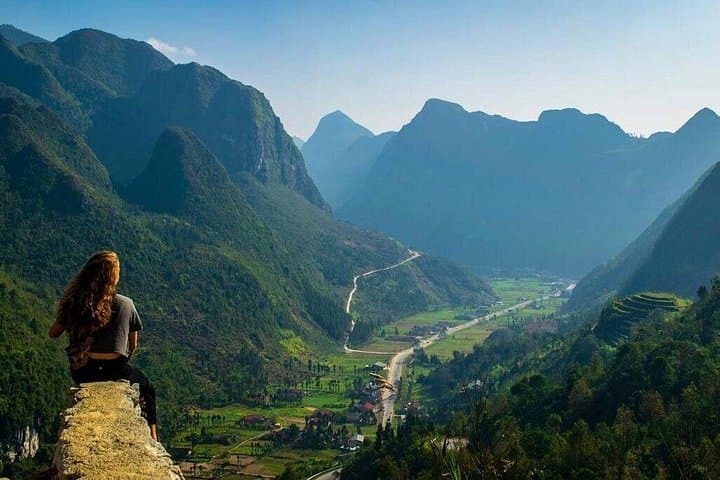
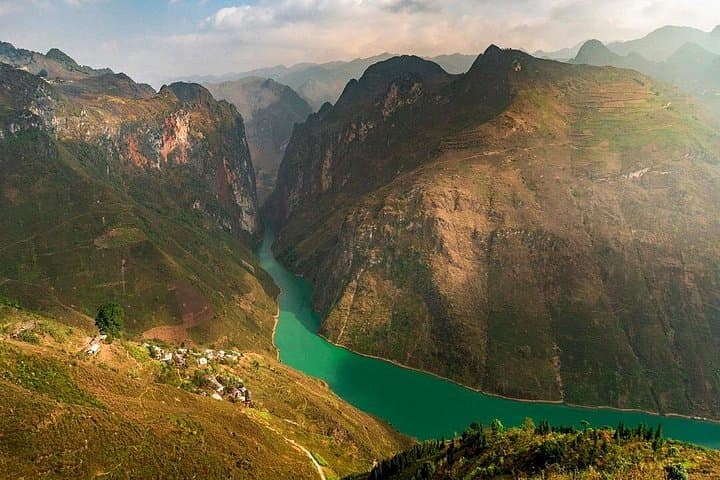
Night bus lights blur into hairpin streaks as you climb out of Hanoi and toward limestone teeth rising from rice terraces. By dawn the sleeper bus drops you in Ha Giang; the air is thinner, cooler, and full of distant river noise. Over three days the route threads through the Dong Van Karst Plateau, across Bac Sum Pass and the Sky Path, and along the vertiginous spine of Ma Pi Leng—peaks that push the Nho Que River into a deep, green gorge.
Verified experiences and guided adventures in the surrounding area.
Operated by Tiger Trail Travel · Ha Giang, Ha Giang Province
Night bus lights blur into hairpin streaks as you climb out of Hanoi and toward limestone teeth rising from rice terraces. By dawn the sleeper bus drops you in Ha Giang; the air is thinner, cooler, and full of distant river noise. Over three days the route threads through the Dong Van Karst Plateau, across Bac Sum Pass and the Sky Path, and along the vertiginous spine of Ma Pi Leng—peaks that push the Nho Que River into a deep, green gorge.
This landscape is geological history on display: a karst plateau carved over millennia into towers and ridges. Dong Van’s villages are living archives of Hmong, Dao and Tay culture—traditional textiles, stilt houses, and the Hmong King’s Palace, a reminder of 20th-century local rule. The Sky Path offers a clear vantage of the plateau’s folded limestone and terraced fields; Ma Pi Leng reaches roughly 2,000 m at its highest viewpoints and rewards steady breath with panoramic canyon views.
Practically, the itinerary mixes coach transfers, guided motorbike segments (with an easy rider option), short treks and a boat or kayak ride on the Nho Que. Expect narrow mountain roads and sudden weather swings; layers, waterproofs and sturdy shoes are essential. Bring cash for rural purchases, motion-sickness remedies for winding sections, and a camera with spare batteries—the light changes fast. Homestays and small lodges provide simple, hearty meals and the chance to meet local families; allow for slower pace and cultural exchange. Plan for early starts and late returns to Hanoi, and prioritize safety on exposed passes—respect local guides and the road.
Hikes are short to moderate—primarily the Sky Path and viewpoint walks; they involve uneven stone and some steep sections but are manageable for most people in reasonable shape.
The tour includes motorbike segments; you can opt for an easy-rider where a local driver operates the motorcycle if you prefer not to drive.
Autumn (September–November) and spring (March–May) offer stable weather and clear views; summer is warmer but can bring heavy rain and landslide risk.
Homestays are simple and clean with local food and shared facilities; they are a cultural highlight but not luxury accommodations—bring modest expectations and an open mind.
Tiger Trail Travel operates guided outdoor trips and adventures with an emphasis on safety, stewardship, and memorable experiences.


Night bus lights blur into hairpin streaks as you climb out of Hanoi and toward limestone teeth rising from rice terraces. By dawn the sleeper bus drops you in Ha Giang; the air is thinner, cooler, and full of distant river noise. Over three days the route threads through the Dong Van Karst Plateau, across Bac Sum Pass and the Sky Path, and along the vertiginous spine of Ma Pi Leng—peaks that push the Nho Que River into a deep, green gorge.
Night bus lights blur into hairpin streaks as you climb out of Hanoi and toward limestone teeth rising from rice terraces. By dawn the sleeper bus drops you in Ha Giang; the air is thinner, cooler, and full of distant river noise. Over three days the route threads through the Dong Van Karst Plateau, across Bac Sum Pass and the Sky Path, and along the vertiginous spine of Ma Pi Leng—peaks that push the Nho Que River into a deep, green gorge.
This landscape is geological history on display: a karst plateau carved over millennia into towers and ridges. Dong Van’s villages are living archives of Hmong, Dao and Tay culture—traditional textiles, stilt houses, and the Hmong King’s Palace, a reminder of 20th-century local rule. The Sky Path offers a clear vantage of the plateau’s folded limestone and terraced fields; Ma Pi Leng reaches roughly 2,000 m at its highest viewpoints and rewards steady breath with panoramic canyon views.
Practically, the itinerary mixes coach transfers, guided motorbike segments (with an easy rider option), short treks and a boat or kayak ride on the Nho Que. Expect narrow mountain roads and sudden weather swings; layers, waterproofs and sturdy shoes are essential. Bring cash for rural purchases, motion-sickness remedies for winding sections, and a camera with spare batteries—the light changes fast. Homestays and small lodges provide simple, hearty meals and the chance to meet local families; allow for slower pace and cultural exchange. Plan for early starts and late returns to Hanoi, and prioritize safety on exposed passes—respect local guides and the road.