THE ADVENTURE COLLECTIVE® · Independent discovery and booking for outdoor travel

Ride a vintage open-air Jeep through Vietnam’s northern karst plateaus, stopping at Hmong villages, dramatic passes like Ma Pi Leng and the Hmong King’s Palace. This four-day loop blends geology, culture and accessible adventure with homestays and local guides.
Ride a vintage open-air Jeep through Vietnam’s northern karst plateaus, stopping at Hmong villages, dramatic passes like Ma Pi Leng and the Hmong King’s Palace. This four-day loop blends geology, culture and accessible adventure with homestays and local guides.
You climb into a vintage open-air Jeep as mountain air slices across the plateau — the engine hums, the road tightens, and limestone ridges fold into the distance like stacked pages. The Ha Giang Loop is a route that asks you to look up: at hairpin passes, at terraced rice hanging on slopes, at villages perched on ledges where smoke curls from clay ovens.
Verified experiences and guided adventures in the surrounding area.
Operated by QT Motorbikes and Tours · Ha Giang, Ha Giang Province
You climb into a vintage open-air Jeep as mountain air slices across the plateau — the engine hums, the road tightens, and limestone ridges fold into the distance like stacked pages. The Ha Giang Loop is a route that asks you to look up: at hairpin passes, at terraced rice hanging on slopes, at villages perched on ledges where smoke curls from clay ovens.
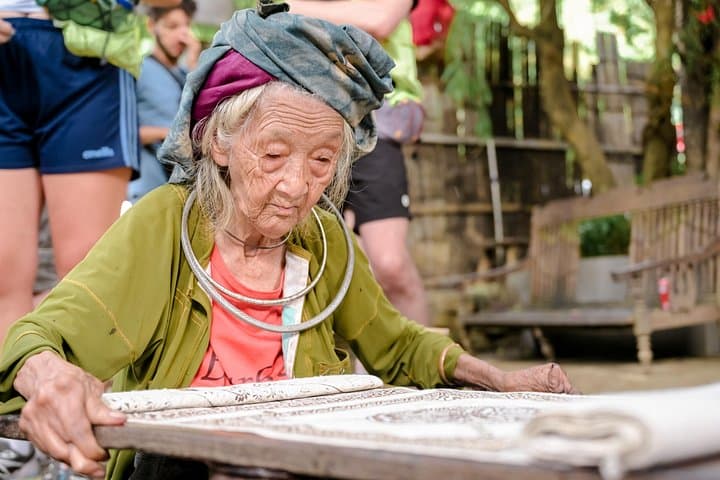
This four-day circuit traces Vietnam’s northernmost karst landscape, carved by rivers and uplifted by tectonics that created the Ma Pi Leng Gorge and the Nho Que canyon. The route threads through Hmong, Tay and Lo Lo communities; stops include the Hmong King’s Palace and small weaving cooperatives where traditional brocade patterns still carry family histories.
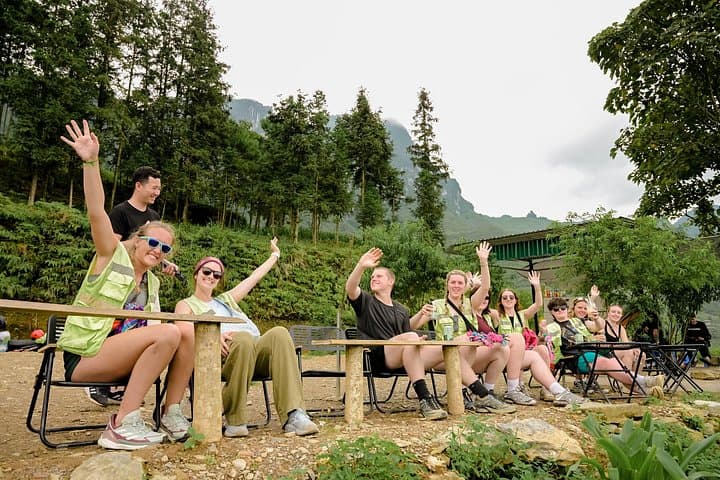
Expect a mix of paved and rough mountain roads, short village walks, one boat stretch through Tu San Canyon, and evenings in simple homestays or small hotels. Cultural exchange is front and center: markets, household visits and local meals—often rice, pickles and chili—offer insight into daily life at altitude.
Practical notes: pack layers for cold mornings and warm afternoons, bring motion-sickness remedies for winding passes, and carry a small daypack for walks and camera gear. Roads can be dusty or wet depending on season; guides navigate narrow sections but maintain cautious pace. Hydrate, respect private property when visiting villages, and budget time for photo stops — the loop is as much about pauses as miles. This is an accessible, immersive way to experience Vietnam’s highlands without sacrificing comfort.
The tour involves mostly vehicle travel with short walks and stairs at viewpoints and villages; basic mobility is sufficient.
Yes—accommodations are a mix of homestays and small hotels with private rooms as listed in the itinerary.
Elevations reach around 1,200–1,900 m in places; most travelers feel mild effects like cool temperatures but serious altitude sickness is uncommon.
Guides and hosts can usually accommodate dietary requests if noted at booking; bring snacks if you have strict requirements.
QT Motorbikes and Tours operates guided outdoor trips and adventures with an emphasis on safety, stewardship, and memorable experiences.
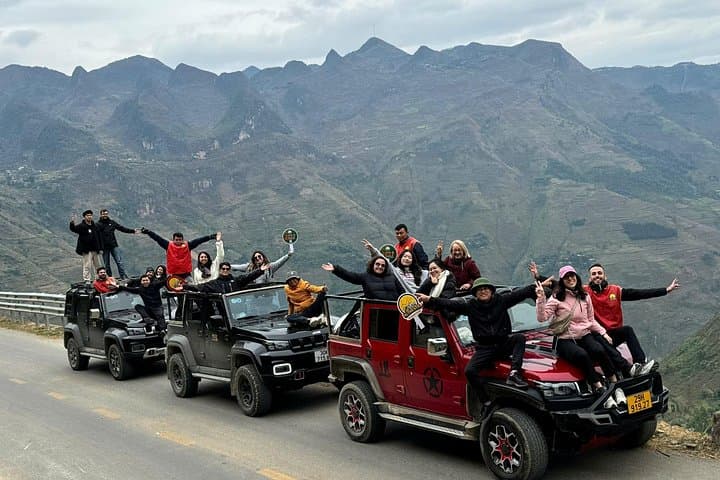
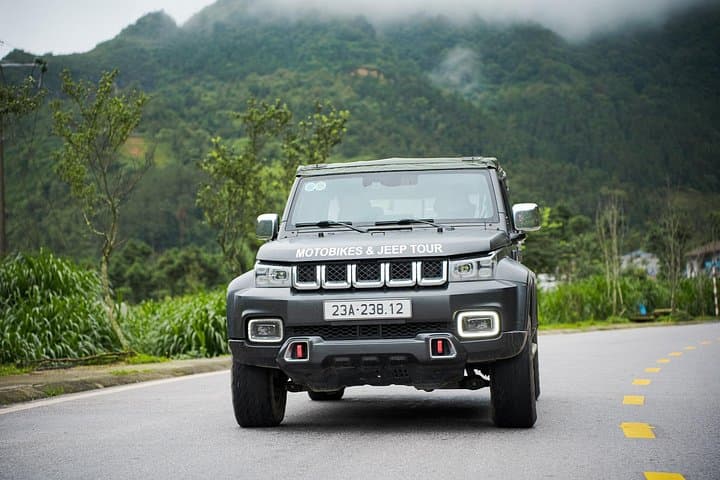
You climb into a vintage open-air Jeep as mountain air slices across the plateau — the engine hums, the road tightens, and limestone ridges fold into the distance like stacked pages. The Ha Giang Loop is a route that asks you to look up: at hairpin passes, at terraced rice hanging on slopes, at villages perched on ledges where smoke curls from clay ovens.
You climb into a vintage open-air Jeep as mountain air slices across the plateau — the engine hums, the road tightens, and limestone ridges fold into the distance like stacked pages. The Ha Giang Loop is a route that asks you to look up: at hairpin passes, at terraced rice hanging on slopes, at villages perched on ledges where smoke curls from clay ovens.
This four-day circuit traces Vietnam’s northernmost karst landscape, carved by rivers and uplifted by tectonics that created the Ma Pi Leng Gorge and the Nho Que canyon. The route threads through Hmong, Tay and Lo Lo communities; stops include the Hmong King’s Palace and small weaving cooperatives where traditional brocade patterns still carry family histories.
Expect a mix of paved and rough mountain roads, short village walks, one boat stretch through Tu San Canyon, and evenings in simple homestays or small hotels. Cultural exchange is front and center: markets, household visits and local meals—often rice, pickles and chili—offer insight into daily life at altitude.
Practical notes: pack layers for cold mornings and warm afternoons, bring motion-sickness remedies for winding passes, and carry a small daypack for walks and camera gear. Roads can be dusty or wet depending on season; guides navigate narrow sections but maintain cautious pace. Hydrate, respect private property when visiting villages, and budget time for photo stops — the loop is as much about pauses as miles. This is an accessible, immersive way to experience Vietnam’s highlands without sacrificing comfort.