THE ADVENTURE COLLECTIVE® · Independent discovery and booking for outdoor travel

Drive the Ha Giang Loop over five days to see Dong Van’s stone plateau, Ma Pi Leng’s vertiginous passes and the Lung Cu flagpole. This vehicle-led tour mixes dramatic geology with ethnic minority culture and homestay nights.
Drive the Ha Giang Loop over five days to see Dong Van’s stone plateau, Ma Pi Leng’s vertiginous passes and the Lung Cu flagpole. This vehicle-led tour mixes dramatic geology with ethnic minority culture and homestay nights.
A cool wind cuts over a shoulder of limestone and the road snakes toward a ridge where cliffs fall away like pages torn from the earth. You arrive by comfortable limousine, but the landscape still insists on being wild: terraces stepping down to narrow valleys, peaks folded in gray stone, villages perched like watchful neighbors.
Verified experiences and guided adventures in the surrounding area.
Operated by Authentic SAPA · Ha Giang City, Ha Giang Province
A cool wind cuts over a shoulder of limestone and the road snakes toward a ridge where cliffs fall away like pages torn from the earth. You arrive by comfortable limousine, but the landscape still insists on being wild: terraces stepping down to narrow valleys, peaks folded in gray stone, villages perched like watchful neighbors.
This five-day loop follows the Dong Van karst plateau, a landscape carved from Devonian limestone and uplifted by tectonic force. History here is lived—Hmong and Dao communities maintain stilt houses and market rhythms that predate modern borders, while the Lung Cu flagpole marks Vietnam’s northernmost reach. The Ma Pi Leng pass pushes drivers and passengers into hairpin suspense, and the Nho Quế River threads the Tu Sản Gorge, one of Southeast Asia’s deepest cuts.
Culturally, expect village markets, simple homestays and meals centered on local produce and pork dishes; guide commentary often covers clan histories and French-era architecture like the Hmong King’s Palace.
Practical guidance: the itinerary is vehicle-led with short walks; bring a daypack for viewpoints, layers for rapid temperature change, and cash for small village purchases. Roads are narrow and can be wet—allow extra time for photo stops and slow driving. If you suffer from motion sickness, choose a seat near the front and take precautions before long passes. Plan for early mornings to catch light on the plateau and quieter markets, and confirm homestay dietary needs in advance. This is an accessible, scenic loop that trades steep climbs for rich cultural access and raw mountain panoramas.
The tour is vehicle-based with short walks to viewpoints and cultural sites; it’s suitable for most fitness levels.
International visitors should ensure they have a valid Vietnam visa per nationality; no local permits are required for this standard tourist loop.
Accommodations are primarily 2-star hotels and homestays—simple, locally run properties that offer authentic cultural contact.
The pass is narrow and steep but regularly driven by experienced local drivers; weather can affect safety, so follow guide advice and avoid risky conditions.
Authentic SAPA operates guided outdoor trips and adventures with an emphasis on safety, stewardship, and memorable experiences.
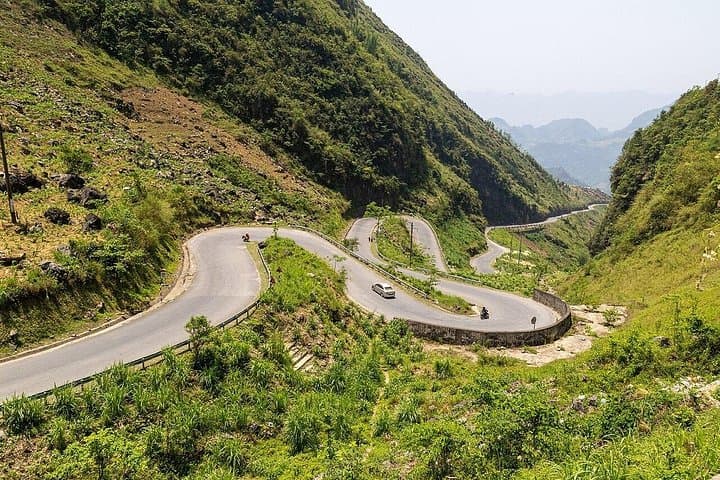
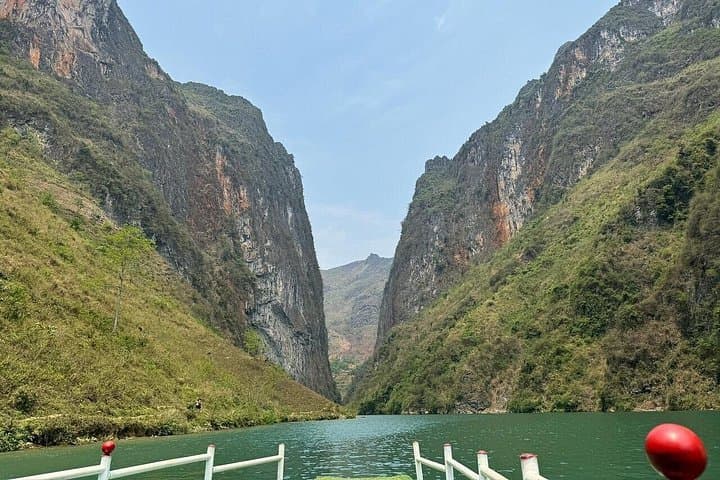
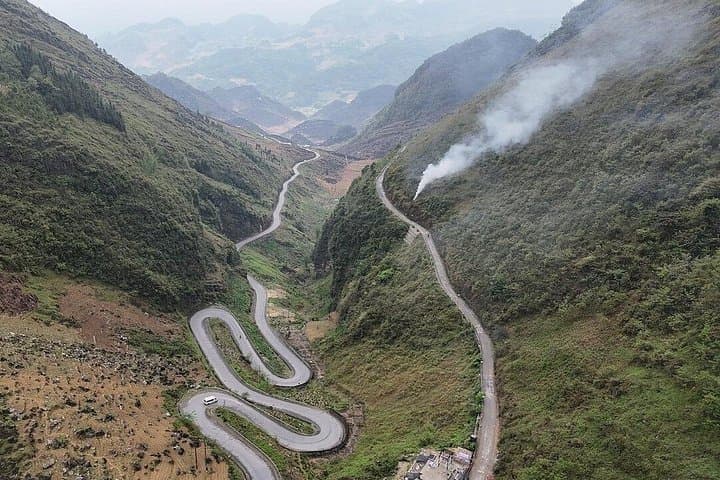
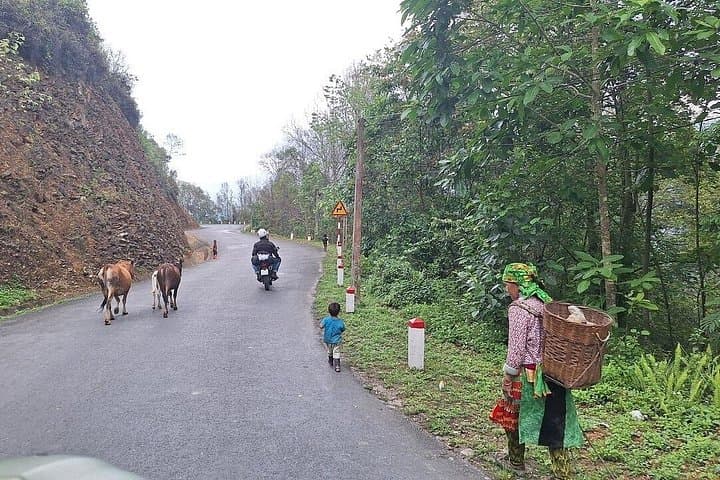
A cool wind cuts over a shoulder of limestone and the road snakes toward a ridge where cliffs fall away like pages torn from the earth. You arrive by comfortable limousine, but the landscape still insists on being wild: terraces stepping down to narrow valleys, peaks folded in gray stone, villages perched like watchful neighbors.
A cool wind cuts over a shoulder of limestone and the road snakes toward a ridge where cliffs fall away like pages torn from the earth. You arrive by comfortable limousine, but the landscape still insists on being wild: terraces stepping down to narrow valleys, peaks folded in gray stone, villages perched like watchful neighbors.
This five-day loop follows the Dong Van karst plateau, a landscape carved from Devonian limestone and uplifted by tectonic force. History here is lived—Hmong and Dao communities maintain stilt houses and market rhythms that predate modern borders, while the Lung Cu flagpole marks Vietnam’s northernmost reach. The Ma Pi Leng pass pushes drivers and passengers into hairpin suspense, and the Nho Quế River threads the Tu Sản Gorge, one of Southeast Asia’s deepest cuts.
Culturally, expect village markets, simple homestays and meals centered on local produce and pork dishes; guide commentary often covers clan histories and French-era architecture like the Hmong King’s Palace.
Practical guidance: the itinerary is vehicle-led with short walks; bring a daypack for viewpoints, layers for rapid temperature change, and cash for small village purchases. Roads are narrow and can be wet—allow extra time for photo stops and slow driving. If you suffer from motion sickness, choose a seat near the front and take precautions before long passes. Plan for early mornings to catch light on the plateau and quieter markets, and confirm homestay dietary needs in advance. This is an accessible, scenic loop that trades steep climbs for rich cultural access and raw mountain panoramas.