THE ADVENTURE COLLECTIVE® · Independent discovery and booking for outdoor travel

Drive the Ha Giang Loop in three days by private car, trading the strain of a motorbike for comfortable seats and a knowledgeable driver. Traverse Ma Pi Leng, visit Lung Cu flagpole and Dong Van, and sample remote highland life with plenty of photo stops.
Drive the Ha Giang Loop in three days by private car, trading the strain of a motorbike for comfortable seats and a knowledgeable driver. Traverse Ma Pi Leng, visit Lung Cu flagpole and Dong Van, and sample remote highland life with plenty of photo stops.
You arrive before dawn, the city lights of Hà Giang shrinking as the car hugs a shoulderless road. Mist lifts from rice terraces and the first sharp silhouette you pass is the Twin Mountains at Quan Ba—two rounded peaks that arrest the eye and demand a stop.
Verified experiences and guided adventures in the surrounding area.
Operated by Car & Motorbike Rental in Ha Giang · Ha Giang City, Ha Giang Province
You arrive before dawn, the city lights of Hà Giang shrinking as the car hugs a shoulderless road. Mist lifts from rice terraces and the first sharp silhouette you pass is the Twin Mountains at Quan Ba—two rounded peaks that arrest the eye and demand a stop.
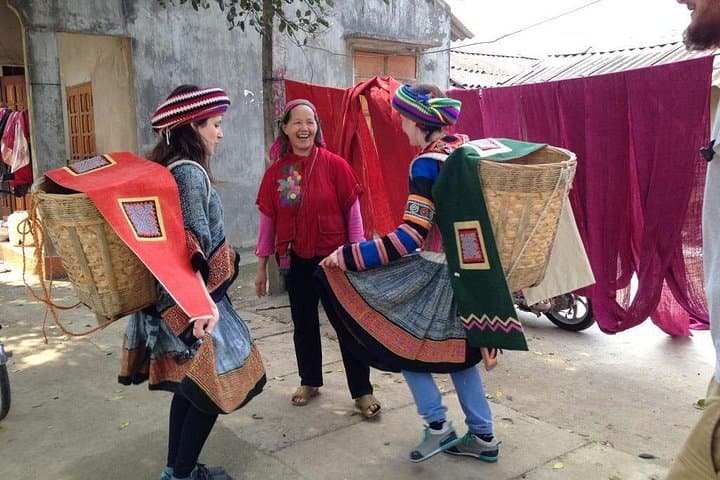
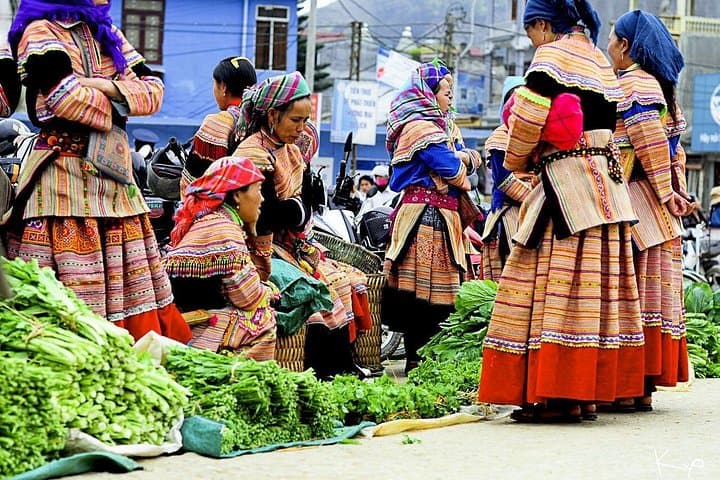
The loop unfolds like a centuries-old map: limestone escarpments carved by time, terraced fields stitched into steep slopes, and villages where H’mong and Tay communities maintain weaving and farming traditions unchanged by rush hour. Geologically the region is rugged karst and folded sandstone; Ma Pi Leng ridge cuts a dramatic spine through the landscape and drops into the Nho Quế canyon below—one of Southeast Asia’s deepest river chasms.
History surfaces in the stone and timber of the Vuong Palace and the Lung Cu flagpole, symbols of local rule and national identity. Drivers know the roads intimately—tight hairpins, sudden descents, and viewpoints that reward patience with light worth photographing.
Practical guidance: plan roughly 300–350 km across three days, with road elevations up to about 1,500 m. Expect narrow paved roads, occasional gravel sections, and changing temperatures—mornings can be cool, afternoons warm. Carry cash for small purchases, a local SIM for spotty coverage, and a compact daypack for short walks to viewpoints. Hydrate, wear sturdy shoes for village walks, and allow flexible time for photo stops and markets. This private car itinerary delivers the panorama, cultural access, and comfort of sheltered travel while keeping the pace of discovery firmly in your hands.
Yes. This private car tour is designed for travelers who prefer comfort—drivers handle winding roads while you enjoy viewpoints and cultural stops.
Typical itineraries include two nights in local guesthouses or homestays and most meals as listed; confirm specifics with your operator before booking.
Roads are mostly paved but include narrow stretches and occasional gravel; elevations reach roughly 1,200–1,500 m at passes like Ma Pi Leng.
Boat trips through Tu Sản Canyon are commonly offered as part of the loop; check your package details to confirm inclusion and seasonal availability.
Car & Motorbike Rental in Ha Giang operates guided outdoor trips and adventures with an emphasis on safety, stewardship, and memorable experiences.


You arrive before dawn, the city lights of Hà Giang shrinking as the car hugs a shoulderless road. Mist lifts from rice terraces and the first sharp silhouette you pass is the Twin Mountains at Quan Ba—two rounded peaks that arrest the eye and demand a stop.
You arrive before dawn, the city lights of Hà Giang shrinking as the car hugs a shoulderless road. Mist lifts from rice terraces and the first sharp silhouette you pass is the Twin Mountains at Quan Ba—two rounded peaks that arrest the eye and demand a stop.
The loop unfolds like a centuries-old map: limestone escarpments carved by time, terraced fields stitched into steep slopes, and villages where H’mong and Tay communities maintain weaving and farming traditions unchanged by rush hour. Geologically the region is rugged karst and folded sandstone; Ma Pi Leng ridge cuts a dramatic spine through the landscape and drops into the Nho Quế canyon below—one of Southeast Asia’s deepest river chasms.
History surfaces in the stone and timber of the Vuong Palace and the Lung Cu flagpole, symbols of local rule and national identity. Drivers know the roads intimately—tight hairpins, sudden descents, and viewpoints that reward patience with light worth photographing.
Practical guidance: plan roughly 300–350 km across three days, with road elevations up to about 1,500 m. Expect narrow paved roads, occasional gravel sections, and changing temperatures—mornings can be cool, afternoons warm. Carry cash for small purchases, a local SIM for spotty coverage, and a compact daypack for short walks to viewpoints. Hydrate, wear sturdy shoes for village walks, and allow flexible time for photo stops and markets. This private car itinerary delivers the panorama, cultural access, and comfort of sheltered travel while keeping the pace of discovery firmly in your hands.