THE ADVENTURE COLLECTIVE® · Independent discovery and booking for outdoor travel

Ride the Ha Giang Loop over two days to experience limestone passes, the turquoise Nho Quế River and authentic highland villages. This compact motorbike tour balances intense riding with cultural stops and an overnight village stay.
Ride the Ha Giang Loop over two days to experience limestone passes, the turquoise Nho Quế River and authentic highland villages. This compact motorbike tour balances intense riding with cultural stops and an overnight village stay.
The road appears as a thread of gray stitching through steep limestone ribs. Air is thin high on the passes and smells faintly of wood smoke; the Nho Quế River gleams like a strip of turquoise far below. This two-day loop drops you into northern Vietnam’s raw highlands — hairpin climbs, narrow ridgelines and villages perched on terraces where braid-like paths run between houses.
Verified experiences and guided adventures in the surrounding area.
Operated by Vietnam Cultural Tours · Ha Giang, Ha Giang Province
The road appears as a thread of gray stitching through steep limestone ribs. Air is thin high on the passes and smells faintly of wood smoke; the Nho Quế River gleams like a strip of turquoise far below. This two-day loop drops you into northern Vietnam’s raw highlands — hairpin climbs, narrow ridgelines and villages perched on terraces where braid-like paths run between houses.
Geology here is dramatic: karst towers and weathered plateaus carved by tectonic uplift and centuries of erosion. Culturally, the loop crosses Hmong, Tay and Dao communities whose markets, costumes and longhouses hold living histories of trade and highland life. The Vương Family Palace near Sà Phìn offers a glimpse of 20th-century local power, while Ma Pi Leng and Cán Tỷ passes show how roads were carved through near-vertical rock.
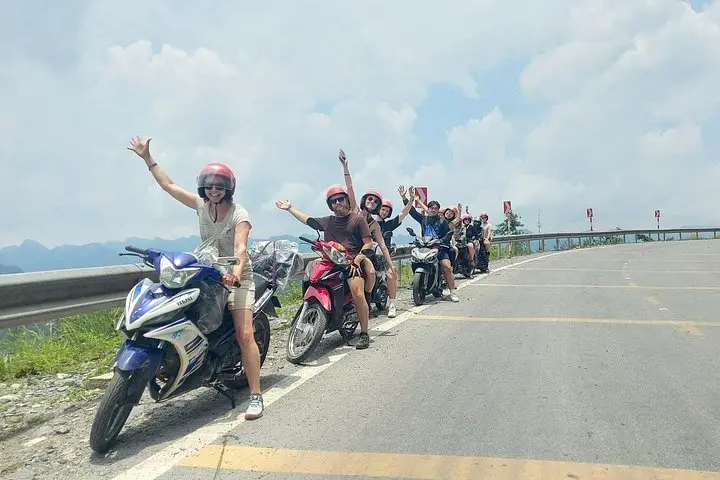
On the road, expect a mix of paved highway, rough concrete switchbacks and occasional gravel shoulders; visibility can change with clouds clinging to ridgelines. Riders should plan early starts to catch clear light on the passes and avoid midday haze. Hydrate, layer for rapid temperature shifts, and secure luggage against dust and rain. If you’re riding yourself, practice cornering on mixed surfaces before attempting steep descents; otherwise a licensed driver is typically provided.
Logistics are straightforward: overnight in Dong Van or a homestay for real village life, meals included on the loop, and sleeper-bus transfer to Hanoi. The reward is uncompromising landscape and intimate encounters with the plateau’s people — a short, concentrated taste of Vietnam’s northern edge.
Basic riding experience is recommended if you plan to ride solo; many tours provide licensed drivers so novices can ride as pillions.
Temperatures can drop near freezing at night and early morning on higher passes, especially in winter—layers and a warm jacket are advised.
The loop is commonly traveled by solo riders, but narrow roads and sharp drops demand caution; guided options reduce navigation stress and increase safety.
Options range from simple guesthouses or homestays in Đồng Văn to basic hotels in Hà Giang city; expect modest comforts and warm local hospitality.
Vietnam Cultural Tours operates guided outdoor trips and adventures with an emphasis on safety, stewardship, and memorable experiences.
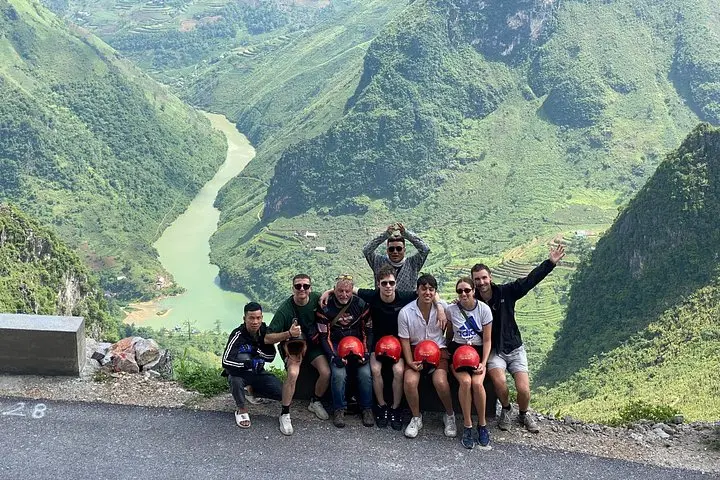
The road appears as a thread of gray stitching through steep limestone ribs. Air is thin high on the passes and smells faintly of wood smoke; the Nho Quế River gleams like a strip of turquoise far below. This two-day loop drops you into northern Vietnam’s raw highlands — hairpin climbs, narrow ridgelines and villages perched on terraces where braid-like paths run between houses.
The road appears as a thread of gray stitching through steep limestone ribs. Air is thin high on the passes and smells faintly of wood smoke; the Nho Quế River gleams like a strip of turquoise far below. This two-day loop drops you into northern Vietnam’s raw highlands — hairpin climbs, narrow ridgelines and villages perched on terraces where braid-like paths run between houses.
Geology here is dramatic: karst towers and weathered plateaus carved by tectonic uplift and centuries of erosion. Culturally, the loop crosses Hmong, Tay and Dao communities whose markets, costumes and longhouses hold living histories of trade and highland life. The Vương Family Palace near Sà Phìn offers a glimpse of 20th-century local power, while Ma Pi Leng and Cán Tỷ passes show how roads were carved through near-vertical rock.
On the road, expect a mix of paved highway, rough concrete switchbacks and occasional gravel shoulders; visibility can change with clouds clinging to ridgelines. Riders should plan early starts to catch clear light on the passes and avoid midday haze. Hydrate, layer for rapid temperature shifts, and secure luggage against dust and rain. If you’re riding yourself, practice cornering on mixed surfaces before attempting steep descents; otherwise a licensed driver is typically provided.
Logistics are straightforward: overnight in Dong Van or a homestay for real village life, meals included on the loop, and sleeper-bus transfer to Hanoi. The reward is uncompromising landscape and intimate encounters with the plateau’s people — a short, concentrated taste of Vietnam’s northern edge.