THE ADVENTURE COLLECTIVE® · Independent discovery and booking for outdoor travel

Three days of guided motorbike travel from Hanoi through Ha Giang’s high passes, ethnic villages and the UNESCO-listed Dong Van Karst Plateau. Fast-paced scenery, cultural stops and local riders make this a concentrated, hassle-free mountain adventure.
Three days of guided motorbike travel from Hanoi through Ha Giang’s high passes, ethnic villages and the UNESCO-listed Dong Van Karst Plateau. Fast-paced scenery, cultural stops and local riders make this a concentrated, hassle-free mountain adventure.
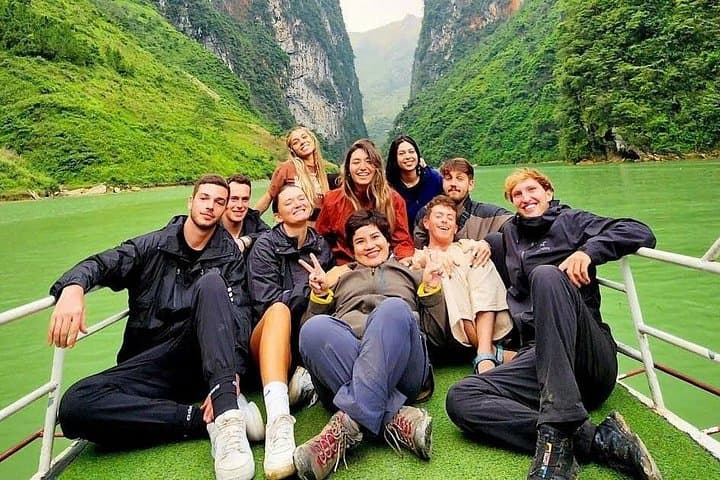
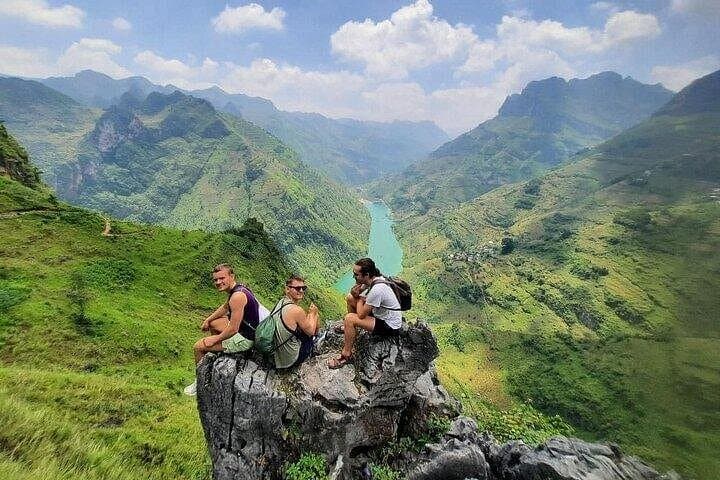
A low, diesel hum and the rattle of a sleeper bus dissolve into dawn as you step off in Ha Giang — mist clinging to the ridgelines and the road already unspooling toward passes that insist you look up. Over the next three days your transport is two wheels and a practiced local rider: hairpin after hairpin through limestone folds, terraces that tilt like pages in a well-thumbed book, and the Ma Pi Leng cleft where the Nho Que River dares you to look down.
Verified experiences and guided adventures in the surrounding area.
Operated by Vietmountain Travel · Ha Giang, Ha Giang Province
A low, diesel hum and the rattle of a sleeper bus dissolve into dawn as you step off in Ha Giang — mist clinging to the ridgelines and the road already unspooling toward passes that insist you look up. Over the next three days your transport is two wheels and a practiced local rider: hairpin after hairpin through limestone folds, terraces that tilt like pages in a well-thumbed book, and the Ma Pi Leng cleft where the Nho Que River dares you to look down.
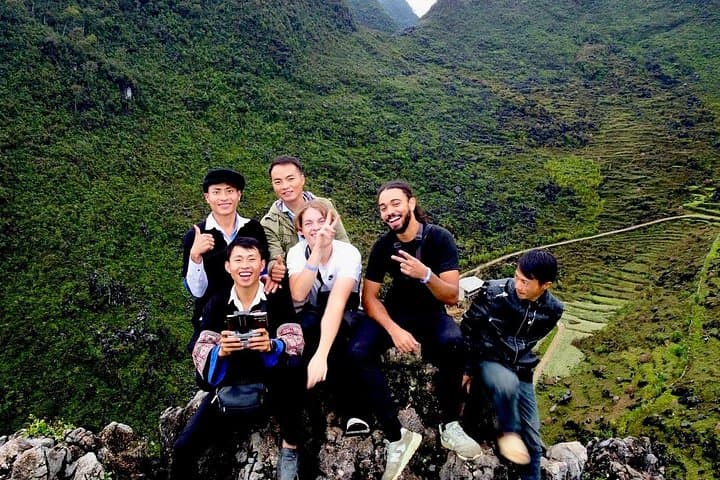
This route threads the Dong Van Karst Plateau UNESCO Global Geopark, shaped by ancient limestones and uplifted by tectonic force. H'mong, Dao and Tay communities keep customs visible in costume, markets and stilt houses; old forts and the H'mong King Palace mark a layered frontier history. Expect a mix of paved mountain passes, narrow rural lanes and occasional gravel shoulders where erosion has taken bites from the edge.
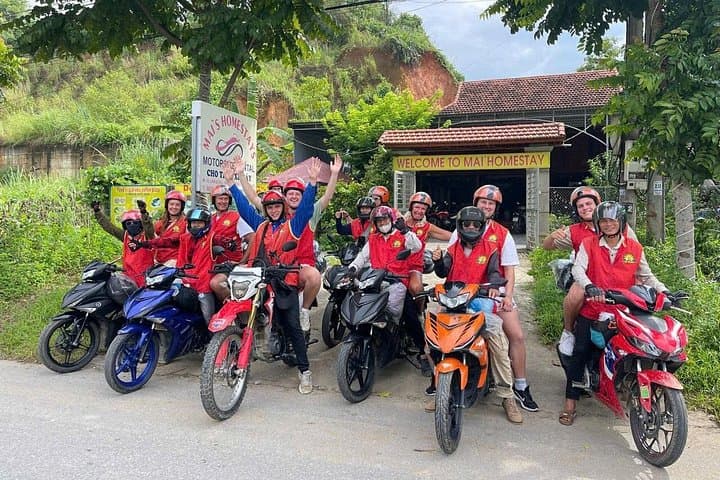
Practical guidance: rides last long days — plan for sustained seated comfort, wind, sudden weather and frequent photo stops. Helmets, rain protection and a camera are essentials; guides handle navigation, fuel and permits. Timing matters: clear mornings deliver the best views, monsoon afternoons can bring heavy rain and reduced visibility, and winter fog hides the panoramas.
This is a travel experience that balances cultural contact with raw geology and moving scenery. When you slow to speak with villagers or stand on a pass, the place feels alive — cliffs that press in, rivers that push forward, and communities that keep mountain life steady. Come prepared, keep your pack light, and let the route unfold.
No — experienced local Easyriders drive; you ride as a passenger unless you specifically book and are licensed to drive.
Most arterial sections are paved but narrow; expect occasional gravel, potholes and short unpaved stretches, especially near remote villages.
Altitude is moderate (no technical acclimatization needed), but winding roads can trigger motion sickness — bring tablets or acupressure bands if you are prone to nausea.
The itinerary states private twin rooms when available; single travelers should expect a surcharge for a private room single-use.
Vietmountain Travel operates guided outdoor trips and adventures with an emphasis on safety, stewardship, and memorable experiences.
A low, diesel hum and the rattle of a sleeper bus dissolve into dawn as you step off in Ha Giang — mist clinging to the ridgelines and the road already unspooling toward passes that insist you look up. Over the next three days your transport is two wheels and a practiced local rider: hairpin after hairpin through limestone folds, terraces that tilt like pages in a well-thumbed book, and the Ma Pi Leng cleft where the Nho Que River dares you to look down.
A low, diesel hum and the rattle of a sleeper bus dissolve into dawn as you step off in Ha Giang — mist clinging to the ridgelines and the road already unspooling toward passes that insist you look up. Over the next three days your transport is two wheels and a practiced local rider: hairpin after hairpin through limestone folds, terraces that tilt like pages in a well-thumbed book, and the Ma Pi Leng cleft where the Nho Que River dares you to look down.
This route threads the Dong Van Karst Plateau UNESCO Global Geopark, shaped by ancient limestones and uplifted by tectonic force. H'mong, Dao and Tay communities keep customs visible in costume, markets and stilt houses; old forts and the H'mong King Palace mark a layered frontier history. Expect a mix of paved mountain passes, narrow rural lanes and occasional gravel shoulders where erosion has taken bites from the edge.
Practical guidance: rides last long days — plan for sustained seated comfort, wind, sudden weather and frequent photo stops. Helmets, rain protection and a camera are essentials; guides handle navigation, fuel and permits. Timing matters: clear mornings deliver the best views, monsoon afternoons can bring heavy rain and reduced visibility, and winter fog hides the panoramas.
This is a travel experience that balances cultural contact with raw geology and moving scenery. When you slow to speak with villagers or stand on a pass, the place feels alive — cliffs that press in, rivers that push forward, and communities that keep mountain life steady. Come prepared, keep your pack light, and let the route unfold.