THE ADVENTURE COLLECTIVE® · Independent discovery and booking for outdoor travel

Three days of winding roads, limestone cliffs and river canyons — the Ha Giang Loop delivers high-altitude views and close encounters with Vietnam’s upland cultures. This motorbike tour pairs thrilling passes like Ma Pi Leng with homestays, ethnic villages and the Dong Van karst plateau.
Three days of winding roads, limestone cliffs and river canyons — the Ha Giang Loop delivers high-altitude views and close encounters with Vietnam’s upland cultures. This motorbike tour pairs thrilling passes like Ma Pi Leng with homestays, ethnic villages and the Dong Van karst plateau.
You crest a pass and the road unravels beneath you — hairpins cutting through gray limestone, the Nho Que River daring you with its emerald sweep far below. Over three days of the Ha Giang Loop on motorbike you trace ancient trade routes, climb skyward to lung-stopping lookouts and drop into valleys where upland farms and stilt houses keep rhythms unchanged.
Verified experiences and guided adventures in the surrounding area.
Operated by Authentic SAPA · Ha Giang, Ha Giang Province
You crest a pass and the road unravels beneath you — hairpins cutting through gray limestone, the Nho Que River daring you with its emerald sweep far below. Over three days of the Ha Giang Loop on motorbike you trace ancient trade routes, climb skyward to lung-stopping lookouts and drop into valleys where upland farms and stilt houses keep rhythms unchanged.
Geology here is raw: the Dong Van Karst Plateau is a sea of weathered limestone carved into steep ridges and canyons; Ma Pi Leng, at roughly 1,200 m, gives one of the region’s best vantage points over the Tu San Canyon. Culture threads through every bend — Hmong and Tay villages, the early-20th-century Hmong King’s Palace and ethnic markets that hum with local dress and craft. Lung Cu Flag Tower perches at about 1,470 m and marks both borderland history and panoramic perspective.
Expect roughly 250–300 km of riding across mixed asphalt and occasional gravel, daily altitude swings to 1,400–1,500 m, and riding windows of several hours between stops. Accommodations alternate between simple hotels and homestays; meals commonly include hearty local fare. Practical tips: carry layered waterproofs for sudden mountain rain, keep fuel and cash handy in small towns, and allow space in your schedule for unplanned photo stops — the roads invite lingering.
This tour balances adrenaline with cultural immersion: driven guides, some entrance fees and a bus transfer from Hanoi are often included, but the road remains the real attraction. Ride cautiously, respect village customs, and leave no trace so the landscape stays ready for the next traveler.
Yes — basic riding experience and confidence on winding roads is recommended; some operators provide guided rides with drivers for less experienced riders.
Passes reach roughly 1,200–1,500 m; most travelers acclimate fine, but take it easy if you have respiratory or cardiovascular issues.
Main routes are paved but narrow with occasional gravel and potholes; weather can make surfaces slippery, so ride conservatively.
Many tours include English- and Vietnamese-speaking guides; check inclusions before booking if you need full linguistic support.
Authentic SAPA operates guided outdoor trips and adventures with an emphasis on safety, stewardship, and memorable experiences.
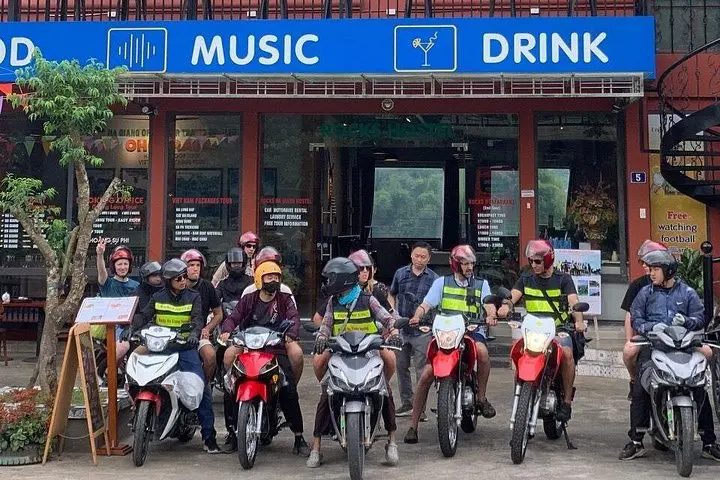
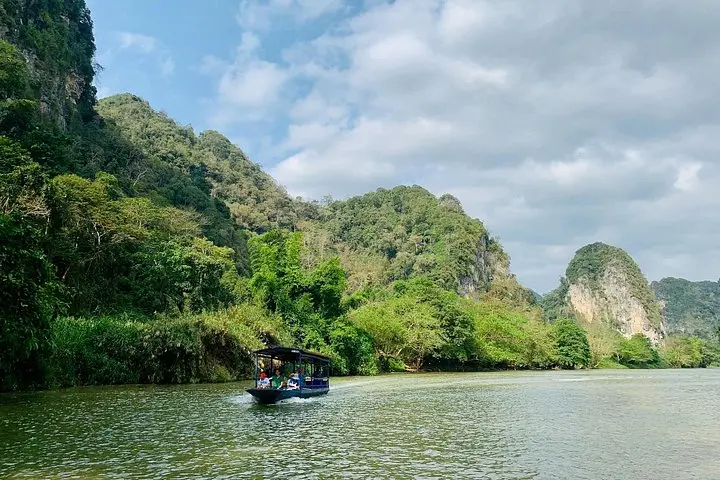

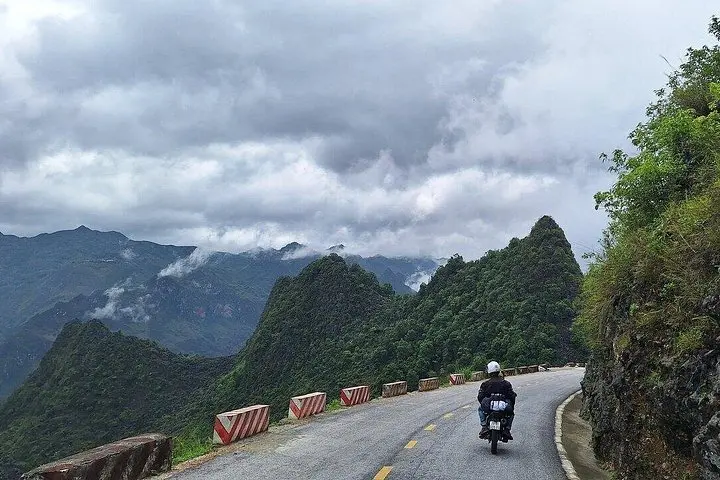
You crest a pass and the road unravels beneath you — hairpins cutting through gray limestone, the Nho Que River daring you with its emerald sweep far below. Over three days of the Ha Giang Loop on motorbike you trace ancient trade routes, climb skyward to lung-stopping lookouts and drop into valleys where upland farms and stilt houses keep rhythms unchanged.
You crest a pass and the road unravels beneath you — hairpins cutting through gray limestone, the Nho Que River daring you with its emerald sweep far below. Over three days of the Ha Giang Loop on motorbike you trace ancient trade routes, climb skyward to lung-stopping lookouts and drop into valleys where upland farms and stilt houses keep rhythms unchanged.
Geology here is raw: the Dong Van Karst Plateau is a sea of weathered limestone carved into steep ridges and canyons; Ma Pi Leng, at roughly 1,200 m, gives one of the region’s best vantage points over the Tu San Canyon. Culture threads through every bend — Hmong and Tay villages, the early-20th-century Hmong King’s Palace and ethnic markets that hum with local dress and craft. Lung Cu Flag Tower perches at about 1,470 m and marks both borderland history and panoramic perspective.
Expect roughly 250–300 km of riding across mixed asphalt and occasional gravel, daily altitude swings to 1,400–1,500 m, and riding windows of several hours between stops. Accommodations alternate between simple hotels and homestays; meals commonly include hearty local fare. Practical tips: carry layered waterproofs for sudden mountain rain, keep fuel and cash handy in small towns, and allow space in your schedule for unplanned photo stops — the roads invite lingering.
This tour balances adrenaline with cultural immersion: driven guides, some entrance fees and a bus transfer from Hanoi are often included, but the road remains the real attraction. Ride cautiously, respect village customs, and leave no trace so the landscape stays ready for the next traveler.