THE ADVENTURE COLLECTIVE® · Independent discovery and booking for outdoor travel

Ride from Hanoi into northern Vietnam’s high karst plateaus on a four-day motorbike loop. Pass dramatic Ma Pi Leng, cross ethnic-market towns and sleep in village homestays for a close-up view of Ha Giang’s landscapes and cultures.
Ride from Hanoi into northern Vietnam’s high karst plateaus on a four-day motorbike loop. Pass dramatic Ma Pi Leng, cross ethnic-market towns and sleep in village homestays for a close-up view of Ha Giang’s landscapes and cultures.
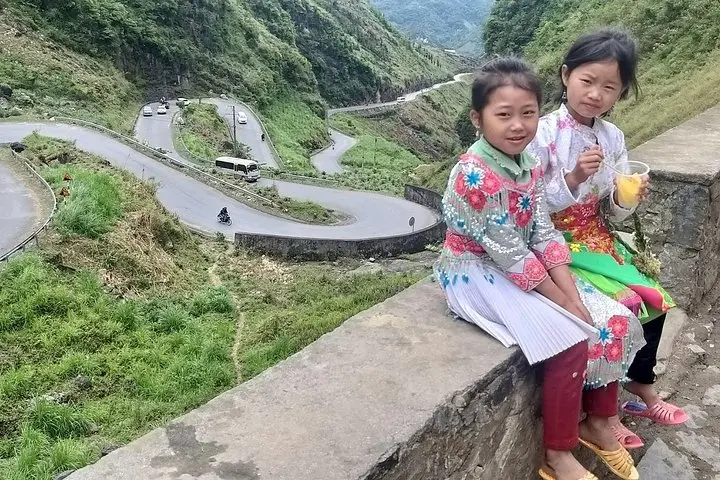
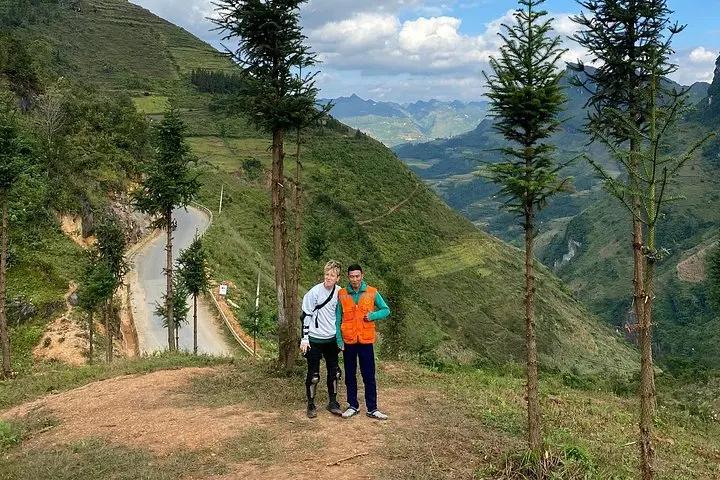
The engine rumbles before dawn as the sleeper bus unspools Hanoi's lights and the road narrows into mountain shadow. By morning you swap metal bunk for a seat on a motorbike, tires chewing switchbacks that climb toward jagged limestone ridges. Ma Pi Leng leans over the gorge like a knife edge; the Nho Que River below dares you to look down as the canyon walls close in.
Verified experiences and guided adventures in the surrounding area.
Operated by LOCAL TOURS VIETNAM · Ha Giang, Ha Giang Province
The engine rumbles before dawn as the sleeper bus unspools Hanoi's lights and the road narrows into mountain shadow. By morning you swap metal bunk for a seat on a motorbike, tires chewing switchbacks that climb toward jagged limestone ridges. Ma Pi Leng leans over the gorge like a knife edge; the Nho Que River below dares you to look down as the canyon walls close in.
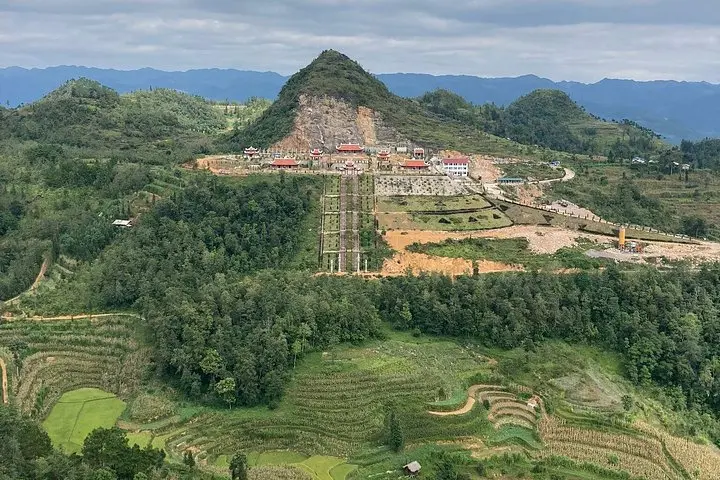
This four-day loop follows an old trading route carved through the Dong Van Karst Plateau, an area shaped by uplifted marine limestone and millennia of erosion. Towns like Dong Van and Meo Vac grew where minority groups—H'Mong, Tay, and Dao—could farm terraces and trade salt. The Vuong family mansion in Sa Phin reveals a century-old mix of H'Mong, Chinese and French influences; local markets still pulse with woven textiles and seasonal produce.
Expect long riding days, tight hairpins, and sudden weather shifts: fog can roll in to hide views, and afternoon sun can bake the passes. Accommodations are simple—two homestays and village guesthouses—offering authentic meals and local hospitality.
Practical guidance: pack a sturdy helmet and windproof layers, carry cash for remote villages, and plan fuel stops—stations are sparse. If you’re not comfortable on a bike, choose a pillion with an experienced rider. Take extra time at Ma Pi Leng lookout and the boat ride on Nho Que; both give the best scale of the plateau’s raw geology. Hydrate, respect local customs in homestays, and leave no trace: these communities depend on fragile landscapes and your thoughtful travel choices.
Yes—this route includes steep, twisty mountain roads. If you lack experience, ask to ride as a pillion with a local driver arranged by the operator.
Very remote in stretches—fuel, ATMs and medical facilities are sparse; bring cash, basic first-aid supplies and inform your guide of any medical issues.
Accommodations are basic homestays and small guesthouses offering local meals; expect simple beds and shared bathrooms in some places.
Yes, the itinerary includes a short boat trip on the Nho Que; operators provide basic safety measures—ask about life jackets and weather-dependent changes.
LOCAL TOURS VIETNAM operates guided outdoor trips and adventures with an emphasis on safety, stewardship, and memorable experiences.
The engine rumbles before dawn as the sleeper bus unspools Hanoi's lights and the road narrows into mountain shadow. By morning you swap metal bunk for a seat on a motorbike, tires chewing switchbacks that climb toward jagged limestone ridges. Ma Pi Leng leans over the gorge like a knife edge; the Nho Que River below dares you to look down as the canyon walls close in.
The engine rumbles before dawn as the sleeper bus unspools Hanoi's lights and the road narrows into mountain shadow. By morning you swap metal bunk for a seat on a motorbike, tires chewing switchbacks that climb toward jagged limestone ridges. Ma Pi Leng leans over the gorge like a knife edge; the Nho Que River below dares you to look down as the canyon walls close in.
This four-day loop follows an old trading route carved through the Dong Van Karst Plateau, an area shaped by uplifted marine limestone and millennia of erosion. Towns like Dong Van and Meo Vac grew where minority groups—H'Mong, Tay, and Dao—could farm terraces and trade salt. The Vuong family mansion in Sa Phin reveals a century-old mix of H'Mong, Chinese and French influences; local markets still pulse with woven textiles and seasonal produce.
Expect long riding days, tight hairpins, and sudden weather shifts: fog can roll in to hide views, and afternoon sun can bake the passes. Accommodations are simple—two homestays and village guesthouses—offering authentic meals and local hospitality.
Practical guidance: pack a sturdy helmet and windproof layers, carry cash for remote villages, and plan fuel stops—stations are sparse. If you’re not comfortable on a bike, choose a pillion with an experienced rider. Take extra time at Ma Pi Leng lookout and the boat ride on Nho Que; both give the best scale of the plateau’s raw geology. Hydrate, respect local customs in homestays, and leave no trace: these communities depend on fragile landscapes and your thoughtful travel choices.