THE ADVENTURE COLLECTIVE® · Independent discovery and booking for outdoor travel

Five days of river-cut canyons, switchbacks and ethnic highland markets: the Ha Giang Loop is a motorbike route that rewards careful riders with raw views and cultural encounters. Read on for what to expect, where to sleep, and how to prepare.
Five days of river-cut canyons, switchbacks and ethnic highland markets: the Ha Giang Loop is a motorbike route that rewards careful riders with raw views and cultural encounters. Read on for what to expect, where to sleep, and how to prepare.
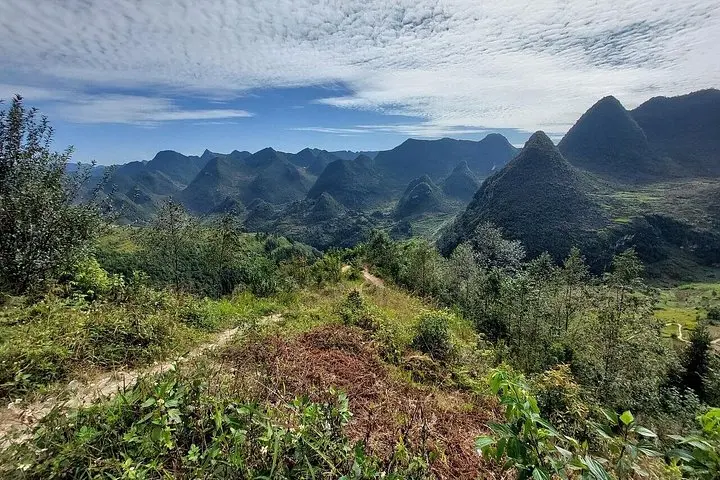
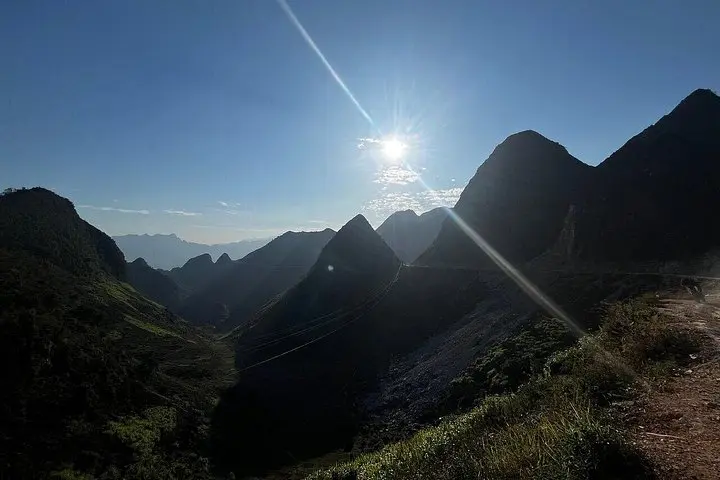
A cold morning in Ha Giang cuts the breath into white puffs as riders tighten helmets and kick-start engines. Mountain roads climb immediately—hairpins that swing you above terraced fields, stone villages clinging to ridgelines, and sudden windows of limestone plateau where wind moves like a visible force.
Verified experiences and guided adventures in the surrounding area.
Operated by Local Tours PU LUONG · Ha Giang, Ha Giang Province
A cold morning in Ha Giang cuts the breath into white puffs as riders tighten helmets and kick-start engines. Mountain roads climb immediately—hairpins that swing you above terraced fields, stone villages clinging to ridgelines, and sudden windows of limestone plateau where wind moves like a visible force.
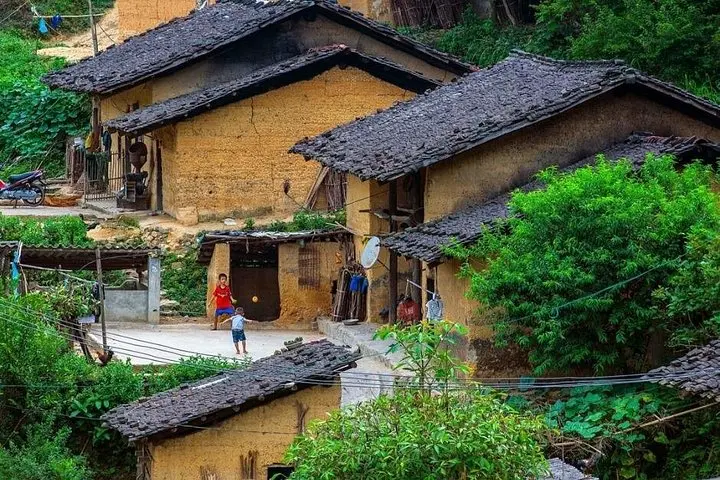
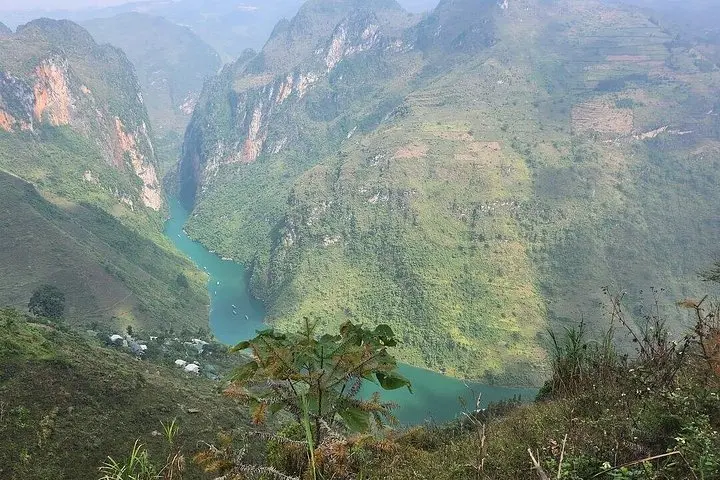
This loop traces the Dong Van Karst Plateau Geopark, a landscape shaped by ancient seas and tectonic lift that left steep karst towers, narrow passes and the deep Nho Que canyon. The region is a patchwork of Hmong, Tay and Lo Lo cultures—colorful clothing, wooden stilt houses, and markets where barter still sets the rhythm. Sites like the Hmong King Palace and Lung Cu Flagpole mark modern history and contested borderlands.
Expect long riding days on mixed pavement—tight switchbacks, exposed ledges at Ma Pi Leng, and occasional gravel against the shoulder. Weather shifts quickly: high-altitude sun can flip to rain and fog in an hour. Local homestays and two-star hotels offer basic comfort and honest food; shelters are simple and often family-run.
Practical advice: pace your ride, check brakes before each pass, and keep fuel topped at small towns (stations are sparse). Carry layered waterproofs, a charged power bank, and cash for entrance fees and small purchases. Plan for early starts to avoid afternoon rain and to catch the clearest views.
This loop is as much about the road as the people—ride responsibly, respect local customs, and let the landscape push your sense of scale.
Yes—if you will be riding the motorbike yourself you should hold a valid motorcycle license recognized by Vietnamese authorities; some operators provide guided rides with a driver if you prefer not to ride.
Roads range from good two-lane pavement to narrow, steep switchbacks and occasional gravel shoulders—riders should be comfortable with mountain riding and variable surface conditions.
Expect basic two-star hotels and family-run homestays offering local meals—comfort is simple but authentic; bring earplugs and a light sleeping liner if sensitive.
Spring and fall offer the most stable weather and clear views; avoid the peak of the rainy season when landslides and river levels can affect travel.
Local Tours PU LUONG operates guided outdoor trips and adventures with an emphasis on safety, stewardship, and memorable experiences.
A cold morning in Ha Giang cuts the breath into white puffs as riders tighten helmets and kick-start engines. Mountain roads climb immediately—hairpins that swing you above terraced fields, stone villages clinging to ridgelines, and sudden windows of limestone plateau where wind moves like a visible force.
A cold morning in Ha Giang cuts the breath into white puffs as riders tighten helmets and kick-start engines. Mountain roads climb immediately—hairpins that swing you above terraced fields, stone villages clinging to ridgelines, and sudden windows of limestone plateau where wind moves like a visible force.
This loop traces the Dong Van Karst Plateau Geopark, a landscape shaped by ancient seas and tectonic lift that left steep karst towers, narrow passes and the deep Nho Que canyon. The region is a patchwork of Hmong, Tay and Lo Lo cultures—colorful clothing, wooden stilt houses, and markets where barter still sets the rhythm. Sites like the Hmong King Palace and Lung Cu Flagpole mark modern history and contested borderlands.
Expect long riding days on mixed pavement—tight switchbacks, exposed ledges at Ma Pi Leng, and occasional gravel against the shoulder. Weather shifts quickly: high-altitude sun can flip to rain and fog in an hour. Local homestays and two-star hotels offer basic comfort and honest food; shelters are simple and often family-run.
Practical advice: pace your ride, check brakes before each pass, and keep fuel topped at small towns (stations are sparse). Carry layered waterproofs, a charged power bank, and cash for entrance fees and small purchases. Plan for early starts to avoid afternoon rain and to catch the clearest views.
This loop is as much about the road as the people—ride responsibly, respect local customs, and let the landscape push your sense of scale.