THE ADVENTURE COLLECTIVE® · Independent discovery and booking for outdoor travel

Ride the dramatic Ha Giang Loop from Sapa on a 3–4 day easy-rider motorbike tour, passing Ma Pi Leng, the Nho Que River and ethnic highland villages. This guide outlines what to expect on the road, cultural highlights, and practical tips to prepare.
Ride the dramatic Ha Giang Loop from Sapa on a 3–4 day easy-rider motorbike tour, passing Ma Pi Leng, the Nho Que River and ethnic highland villages. This guide outlines what to expect on the road, cultural highlights, and practical tips to prepare.
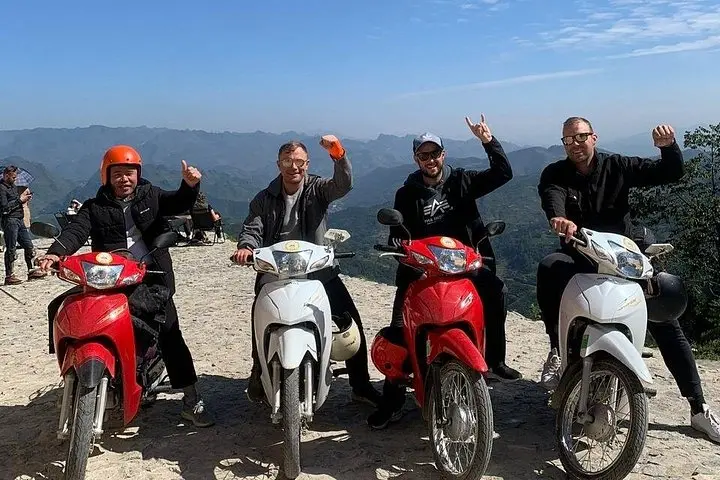
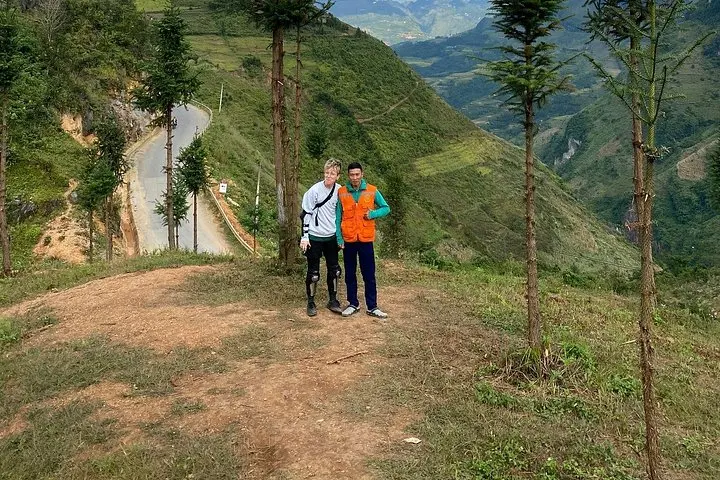
Night in Sapa blurs into the low thrum of a sleeper bus, and by dawn the limestone ridges of Ha Giang begin to push up like a rough sea. On this easy-rider motorbike loop you ride narrow ribbons of asphalt that wind over hairpin passes, cross open plateaus and drop into river-cut canyons where the Nho Que River dares you to look down.
Verified experiences and guided adventures in the surrounding area.
Operated by LOCAL TOURS VIETNAM · Ha Giang, Ha Giang Province
Night in Sapa blurs into the low thrum of a sleeper bus, and by dawn the limestone ridges of Ha Giang begin to push up like a rough sea. On this easy-rider motorbike loop you ride narrow ribbons of asphalt that wind over hairpin passes, cross open plateaus and drop into river-cut canyons where the Nho Que River dares you to look down.
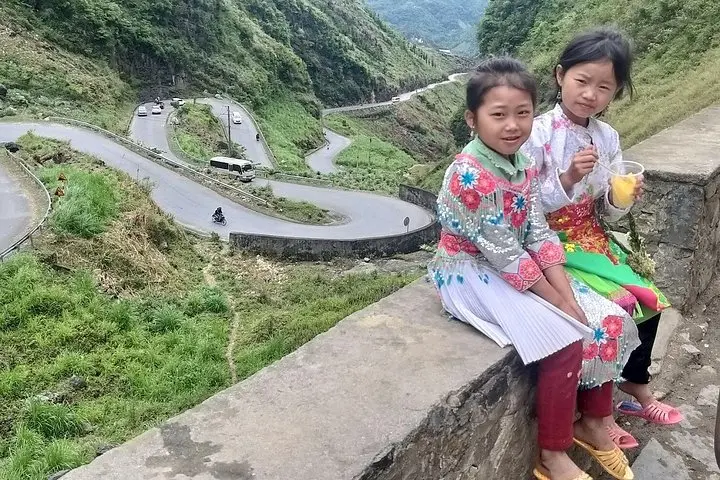
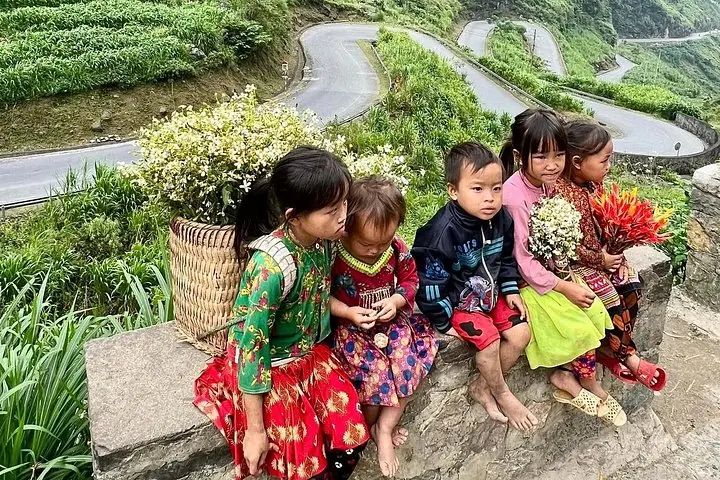
The Ha Giang Loop traces geology older than the modern borders—karst towers, shale outcrops and thick beds of red earth carved by rain and time. The region has long been home to H’Mong, Tay and Dao communities; villages along the route keep textile and terrace-farming traditions alive. Dong Van’s old quarter and the Vuong family mansion show how local life absorbed Chinese and French architectural touches.
Expect long days of riding with frequent photo stops: Heaven’s Gate at Quan Ba, the switchbacks of Ma Pi Leng and narrow valleys by the Nho Que. Local homestays serve simple Tay and H’Mong meals—rice, pickles, and the potent corn wine locals call “happy water.”
Practical guidance: bring layered protection against wind and rain, a solid helmet, and a small first-aid kit. Distances between services are significant—plan cash for fuel, food and tips. If you’re a passenger (easy rider), confirm pickup and drop-off logistics; if you ride yourself, have confident handling skills for steep, unfamiliar switchbacks. Morning light is best for photography and cooler riding; avoid heavy rain when passes can become slippery.
No—this tour offers easy-rider drivers so you can be a passenger; if you choose to ride yourself, moderate-to-strong riding skills are required for mountain roads.
Accommodation ranges from sleeper-bus berths to local homestays and simple hotels in Dong Van and Du Gia—expect modest, authentic lodging rather than luxury amenities.
Heavy rain can make passes slippery and reduce visibility; operators may still run tours but exercise caution and consider rescheduling during sustained storms.
Carry enough for meals not provided, fuel (if applicable), tips and small purchases—roughly 1,500,000–2,500,000 VND per person as a flexible estimate depending on spending.
LOCAL TOURS VIETNAM operates guided outdoor trips and adventures with an emphasis on safety, stewardship, and memorable experiences.
Night in Sapa blurs into the low thrum of a sleeper bus, and by dawn the limestone ridges of Ha Giang begin to push up like a rough sea. On this easy-rider motorbike loop you ride narrow ribbons of asphalt that wind over hairpin passes, cross open plateaus and drop into river-cut canyons where the Nho Que River dares you to look down.
Night in Sapa blurs into the low thrum of a sleeper bus, and by dawn the limestone ridges of Ha Giang begin to push up like a rough sea. On this easy-rider motorbike loop you ride narrow ribbons of asphalt that wind over hairpin passes, cross open plateaus and drop into river-cut canyons where the Nho Que River dares you to look down.
The Ha Giang Loop traces geology older than the modern borders—karst towers, shale outcrops and thick beds of red earth carved by rain and time. The region has long been home to H’Mong, Tay and Dao communities; villages along the route keep textile and terrace-farming traditions alive. Dong Van’s old quarter and the Vuong family mansion show how local life absorbed Chinese and French architectural touches.
Expect long days of riding with frequent photo stops: Heaven’s Gate at Quan Ba, the switchbacks of Ma Pi Leng and narrow valleys by the Nho Que. Local homestays serve simple Tay and H’Mong meals—rice, pickles, and the potent corn wine locals call “happy water.”
Practical guidance: bring layered protection against wind and rain, a solid helmet, and a small first-aid kit. Distances between services are significant—plan cash for fuel, food and tips. If you’re a passenger (easy rider), confirm pickup and drop-off logistics; if you ride yourself, have confident handling skills for steep, unfamiliar switchbacks. Morning light is best for photography and cooler riding; avoid heavy rain when passes can become slippery.