THE ADVENTURE COLLECTIVE® · Independent discovery and booking for outdoor travel

A six-day motorbike loop from Ha Giang to Ba Be Lake threads karst plateaus, high mountain passes and homestays—ideal for travelers who want rugged scenery, cultural immersion and hands-on exploration.
A six-day motorbike loop from Ha Giang to Ba Be Lake threads karst plateaus, high mountain passes and homestays—ideal for travelers who want rugged scenery, cultural immersion and hands-on exploration.
Dawn in Ha Giang arrives with fog lifting off tight ridgelines, and the first twist of the road already calls—this six-day loop stitches together limestone plateaus, vertiginous passes and a string of ethnic villages from Ha Giang to Ba Be Lake.
Verified experiences and guided adventures in the surrounding area.
Operated by Authenitc Travel DA NANG · Ha Giang, Ha Giang Province
Dawn in Ha Giang arrives with fog lifting off tight ridgelines, and the first twist of the road already calls—this six-day loop stitches together limestone plateaus, vertiginous passes and a string of ethnic villages from Ha Giang to Ba Be Lake.
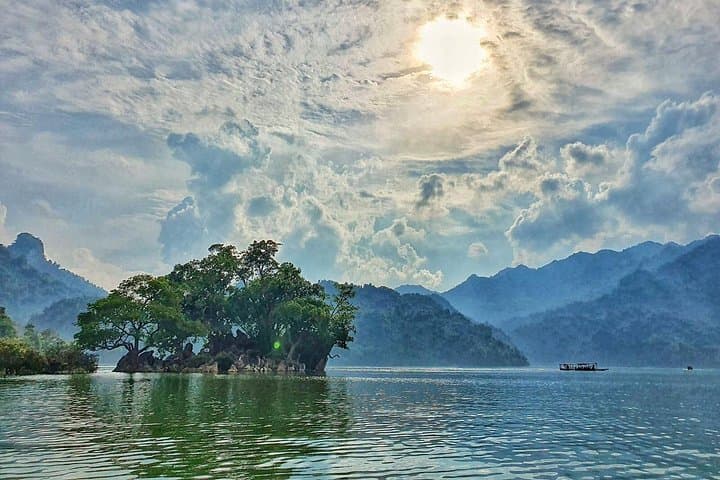
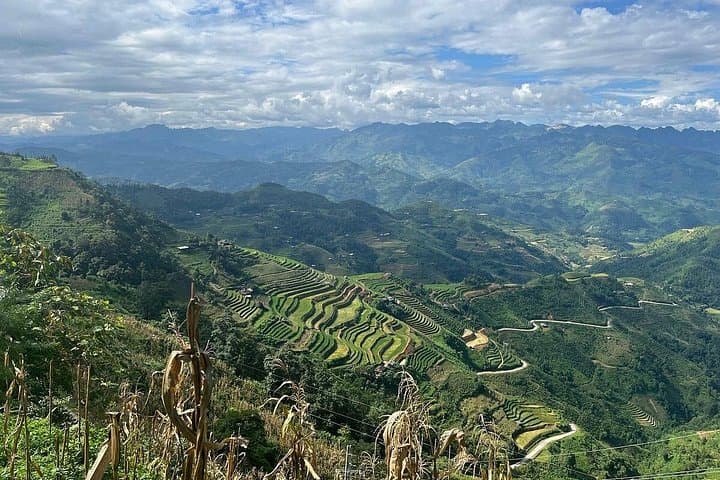
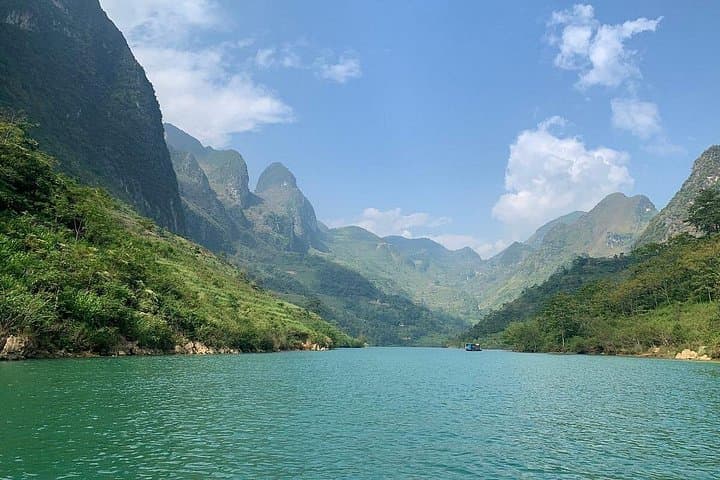
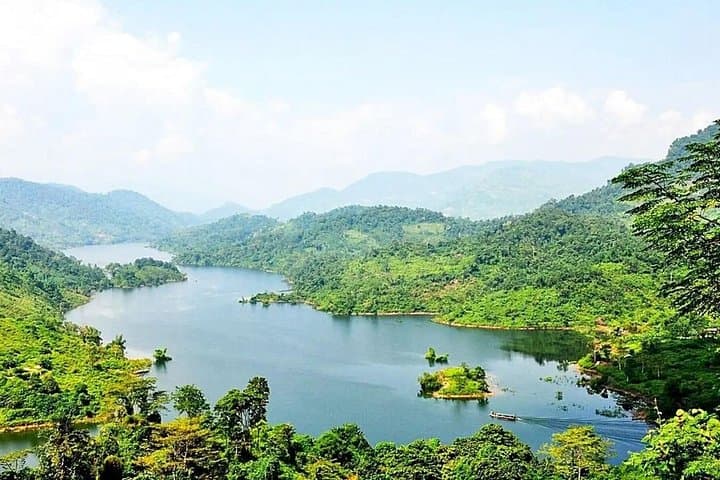
Riders move through the Dong Van Karst Plateau, a geologic maze of weathered limestone carved into sharp towers and deep valleys over millions of years. Ma Pi Leng and Tham Ma passes climb toward 1,500–2,000 m viewpoints where the Nho Que River below dares you to look down; Ban Gioc’s multi-tiered falls tumble some 30 m across broad steps at the China border. Cultural chapters unfold in Lung Cam and Lô Lô Chải—mud-brick houses, woven textiles and market rhythms rooted in H'mong, Tay and Nùng traditions.
Practically, expect long days on a motorbike (or pillion) over mixed asphalt and narrower mountain pavement; distances between towns can be 80–200 km and include multiple steep hairpins. Accommodation alternates between hotels and family-run homestays; meals feature regional specialties—simple, hearty and often rice-based.
Plan for changeable weather: layers, a waterproof shell and a reliable helmet are non-negotiable. Start early to avoid afternoon storms and secure cash in Ha Giang or Cao Bang—ATMs are limited in rural districts. Pace the ride: rest at panorama points, drink frequently and let the guide pick safe pull-outs for photos. With proper preparation this itinerary rewards with raw terrain, rivers that push you forward and immersive cultural encounters.
Tours vary; some provide a driver-guide with a pillion seat while others expect you to ride—confirm when booking and disclose riding experience.
Key passes like Ma Pi Leng and Quan Ba reach roughly 1,500–2,000 m; expect cooler temperatures and strong winds at summits.
Homestays are basic but clean, offering local meals and insight into village life—bring toiletries and expect shared bathroom facilities in some locations.
Elevation is moderate; most travelers do fine, but hydrate, rest and notify guides if you feel dizzy or unusually breathless.
Authenitc Travel DA NANG operates guided outdoor trips and adventures with an emphasis on safety, stewardship, and memorable experiences.
Dawn in Ha Giang arrives with fog lifting off tight ridgelines, and the first twist of the road already calls—this six-day loop stitches together limestone plateaus, vertiginous passes and a string of ethnic villages from Ha Giang to Ba Be Lake.
Dawn in Ha Giang arrives with fog lifting off tight ridgelines, and the first twist of the road already calls—this six-day loop stitches together limestone plateaus, vertiginous passes and a string of ethnic villages from Ha Giang to Ba Be Lake.
Riders move through the Dong Van Karst Plateau, a geologic maze of weathered limestone carved into sharp towers and deep valleys over millions of years. Ma Pi Leng and Tham Ma passes climb toward 1,500–2,000 m viewpoints where the Nho Que River below dares you to look down; Ban Gioc’s multi-tiered falls tumble some 30 m across broad steps at the China border. Cultural chapters unfold in Lung Cam and Lô Lô Chải—mud-brick houses, woven textiles and market rhythms rooted in H'mong, Tay and Nùng traditions.
Practically, expect long days on a motorbike (or pillion) over mixed asphalt and narrower mountain pavement; distances between towns can be 80–200 km and include multiple steep hairpins. Accommodation alternates between hotels and family-run homestays; meals feature regional specialties—simple, hearty and often rice-based.
Plan for changeable weather: layers, a waterproof shell and a reliable helmet are non-negotiable. Start early to avoid afternoon storms and secure cash in Ha Giang or Cao Bang—ATMs are limited in rural districts. Pace the ride: rest at panorama points, drink frequently and let the guide pick safe pull-outs for photos. With proper preparation this itinerary rewards with raw terrain, rivers that push you forward and immersive cultural encounters.