THE ADVENTURE COLLECTIVE® · Independent discovery and booking for outdoor travel

Ride the Ha Giang Loop, cross dizzying passes and end at Ban Gioc’s thunderous border waterfall. This five‑day motorbike journey pairs dramatic karst geology with living ethnic culture and homestay nights.
Ride the Ha Giang Loop, cross dizzying passes and end at Ban Gioc’s thunderous border waterfall. This five‑day motorbike journey pairs dramatic karst geology with living ethnic culture and homestay nights.
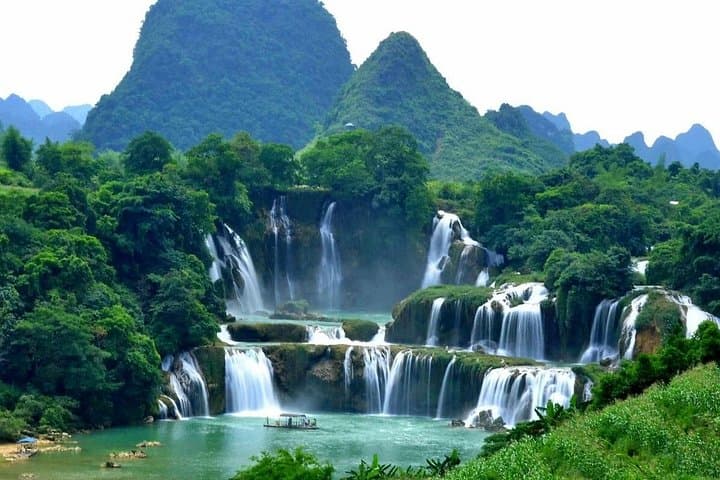
A cold sleeper-bus disgorges you into Ha Giang before dawn; mist clings to limestone spires and a cold wind tugs at your jacket as motorcycles line up for the first pass. The road climbs quickly—hairpins, exposed shoulders, and a panorama that keeps forcing you to stop. Over five days the landscape alternates between serrated karst ridges, terraced fields, and the thunder of Ban Gioc where water throws itself over the border.
Verified experiences and guided adventures in the surrounding area.
Operated by Authentic PHU QUOC · Ha Giang, Ha Giang Province
A cold sleeper-bus disgorges you into Ha Giang before dawn; mist clings to limestone spires and a cold wind tugs at your jacket as motorcycles line up for the first pass. The road climbs quickly—hairpins, exposed shoulders, and a panorama that keeps forcing you to stop. Over five days the landscape alternates between serrated karst ridges, terraced fields, and the thunder of Ban Gioc where water throws itself over the border.
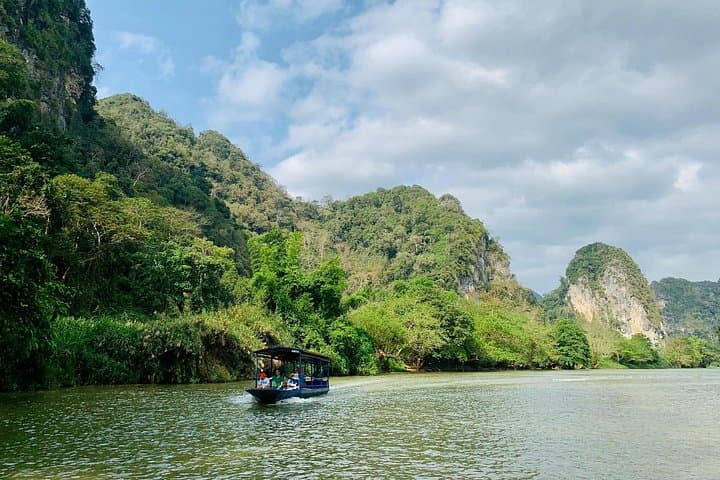
This route threads history and geology. The Dong Van Karst Plateau is an ancient limestone landscape carved over millions of years, its cliffs sliced by the turquoise Nho Que River. Ethnic minority groups—H’mong, Tay, Dao, and Lô Lô—have farmed these slopes for generations; the Vuong Palace and Lung Cam village offer glimpses of local life and early 20th‑century power structures. Ban Gioc and the nearby Ngườm Ngao cave add dramatic hydrology and subterranean formations to the itinerary.
Practical guide: expect sustained riding on narrow mountain roads with passes up to about 1,800–2,000 m (Ma Pi Leng). Daily travel often includes 4–8 hours on the road, mixed surfaced pavement and occasional gravel. Accommodation alternates between guesthouses and homestays—book layers for cool nights and a waterproof shell for sudden mountain rain. Hydrate regularly; snacks and cash are useful between towns. If you’re not an experienced rider, travel as a pillion or join the group vehicles provided.
Respect homestay customs, carry out waste, and give space to livestock and local traffic—these highlands remain fragile, hospitable, and direct in equal measure.
No—many tours provide drivers or support vehicles. If you want to self-ride, disclose experience level and choose a suitable bike; roads can be technical.
Autumn (September–November) offers clearer skies and cooler temperatures; spring has flowering fields but more rain. Winter can be cold at high passes.
Passes like Ma Pi Leng are steep and narrow with drop-offs; risk is managed by cautious riding, local guides, and avoiding bad weather.
Yes—hosts are accustomed to guests and can accommodate needs like gluten‑free if informed in advance; notify the operator when booking.
Authentic PHU QUOC operates guided outdoor trips and adventures with an emphasis on safety, stewardship, and memorable experiences.
A cold sleeper-bus disgorges you into Ha Giang before dawn; mist clings to limestone spires and a cold wind tugs at your jacket as motorcycles line up for the first pass. The road climbs quickly—hairpins, exposed shoulders, and a panorama that keeps forcing you to stop. Over five days the landscape alternates between serrated karst ridges, terraced fields, and the thunder of Ban Gioc where water throws itself over the border.
A cold sleeper-bus disgorges you into Ha Giang before dawn; mist clings to limestone spires and a cold wind tugs at your jacket as motorcycles line up for the first pass. The road climbs quickly—hairpins, exposed shoulders, and a panorama that keeps forcing you to stop. Over five days the landscape alternates between serrated karst ridges, terraced fields, and the thunder of Ban Gioc where water throws itself over the border.
This route threads history and geology. The Dong Van Karst Plateau is an ancient limestone landscape carved over millions of years, its cliffs sliced by the turquoise Nho Que River. Ethnic minority groups—H’mong, Tay, Dao, and Lô Lô—have farmed these slopes for generations; the Vuong Palace and Lung Cam village offer glimpses of local life and early 20th‑century power structures. Ban Gioc and the nearby Ngườm Ngao cave add dramatic hydrology and subterranean formations to the itinerary.
Practical guide: expect sustained riding on narrow mountain roads with passes up to about 1,800–2,000 m (Ma Pi Leng). Daily travel often includes 4–8 hours on the road, mixed surfaced pavement and occasional gravel. Accommodation alternates between guesthouses and homestays—book layers for cool nights and a waterproof shell for sudden mountain rain. Hydrate regularly; snacks and cash are useful between towns. If you’re not an experienced rider, travel as a pillion or join the group vehicles provided.
Respect homestay customs, carry out waste, and give space to livestock and local traffic—these highlands remain fragile, hospitable, and direct in equal measure.