THE ADVENTURE COLLECTIVE® · Independent discovery and booking for outdoor travel

Ride Vietnam’s northern edge across the Ha Giang karst plateau to the thunder of Ban Gioc Waterfall. This four‑day motorbike loop mixes high mountain passes, river canyons and living ethnic culture with practical, ride‑ready planning.
Ride Vietnam’s northern edge across the Ha Giang karst plateau to the thunder of Ban Gioc Waterfall. This four‑day motorbike loop mixes high mountain passes, river canyons and living ethnic culture with practical, ride‑ready planning.
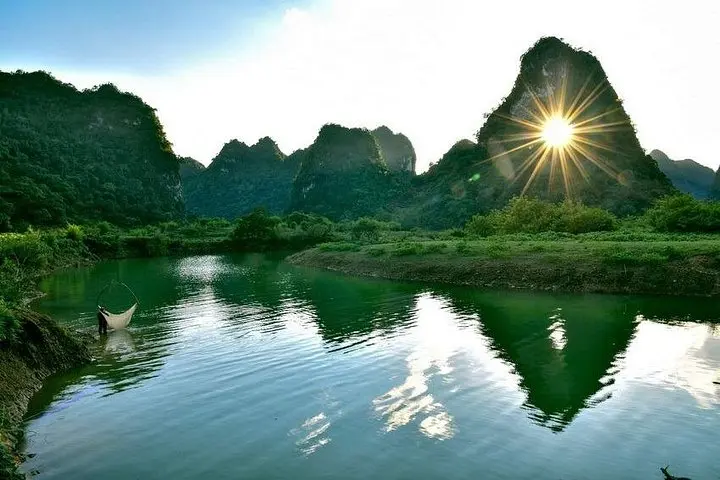
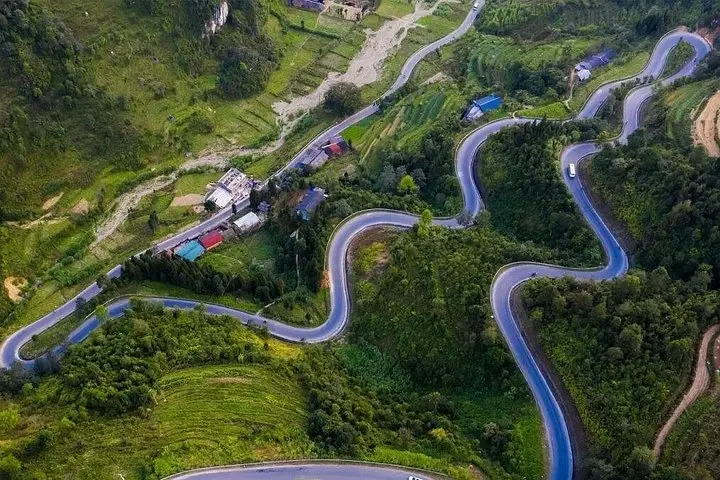
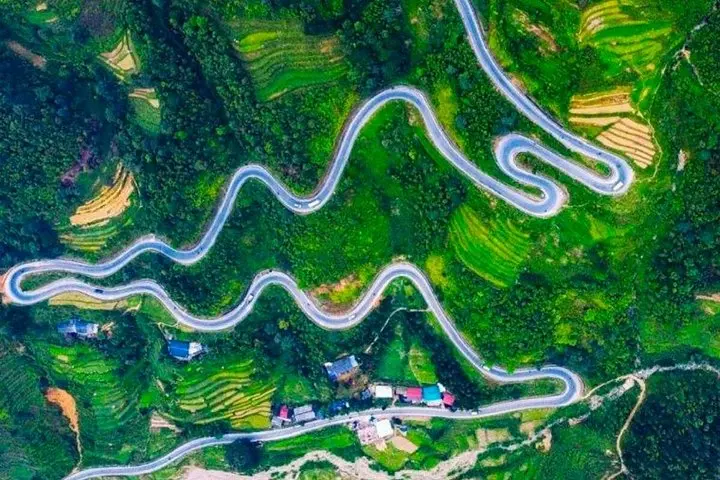
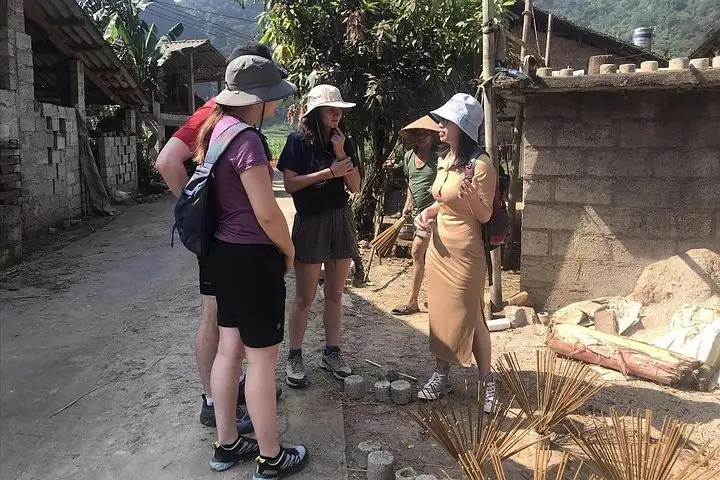
Night on a sleeper bus, then the first light over razor-backed karst—this tour drops you into Vietnam’s northern edge where roads carve through limestone teeth and rivers dare you to follow their curves. By day one you’re climbing Bac Sum Pass and standing at Quan Ba Heaven Gate, the air thin and clear at roughly 1,500m; by day two the Ma Pi Leng ridge pins you above the turquoise Nho Que River. The route threads ethnic villages—H'mong, Lô Lô, and Mông—whose earthen homes and terraced fields mark centuries of mountain life.
Verified experiences and guided adventures in the surrounding area.
Operated by Local Tours Around Viet Nam · Ha Giang, Ha Giang Province
Night on a sleeper bus, then the first light over razor-backed karst—this tour drops you into Vietnam’s northern edge where roads carve through limestone teeth and rivers dare you to follow their curves. By day one you’re climbing Bac Sum Pass and standing at Quan Ba Heaven Gate, the air thin and clear at roughly 1,500m; by day two the Ma Pi Leng ridge pins you above the turquoise Nho Que River. The route threads ethnic villages—H'mong, Lô Lô, and Mông—whose earthen homes and terraced fields mark centuries of mountain life.
Geology here is dramatic: the Dong Van Karst Plateau is a labyrinth of limestone folded and scoured over millions of years, creating sheer cliffs, caves like Ngườm Ngao, and plunging waterfalls. Ban Gioc itself spills some 30m over tufa and limestone ledges at the China–Vietnam border, a final crescendo after high passes and meandering valleys.
Culture arrives in markets, the Vuong Palace’s colonial-inflected H'mong architecture, and the songs and woven textiles of villages. History threads through Pác Bó, where Ho Chi Minh once based operations, and in roads still used for local trade.
Practical edge: expect long riding days (4 days, multiple passes to ~1,500–2,000m), narrow paved roads with loose gravel at edges, and sudden weather shifts. Carry layered waterproofs, full tanks where possible, and a charged phone with an offline map. Guides provide helmets and support—bring basic bike-riding experience or let the guide seat you as passenger. Start early to avoid afternoon storms and use daylight to scout the hairpins. This loop rewards patience: steep climbs, river-carved canyons and a waterfall that announces itself before you can see it.
Yes—riders should be comfortable handling a motorbike on steep, winding mountain roads; passengers are an option if you prefer not to ride.
Pass temperatures at higher passes (1,500–2,000m) can drop significantly, often 5–10°C cooler than valleys; bring warm layers year‑round.
Yes, but water volume varies: highest after the rainy season (July–September) and clearer in late autumn for photos; sections around the falls can be slippery.
Yes—nights alternate between hotels, homestays and a sleeper bus segment; expect basic homestay facilities in outlying towns.
Local Tours Around Viet Nam operates guided outdoor trips and adventures with an emphasis on safety, stewardship, and memorable experiences.
Night on a sleeper bus, then the first light over razor-backed karst—this tour drops you into Vietnam’s northern edge where roads carve through limestone teeth and rivers dare you to follow their curves. By day one you’re climbing Bac Sum Pass and standing at Quan Ba Heaven Gate, the air thin and clear at roughly 1,500m; by day two the Ma Pi Leng ridge pins you above the turquoise Nho Que River. The route threads ethnic villages—H'mong, Lô Lô, and Mông—whose earthen homes and terraced fields mark centuries of mountain life.
Night on a sleeper bus, then the first light over razor-backed karst—this tour drops you into Vietnam’s northern edge where roads carve through limestone teeth and rivers dare you to follow their curves. By day one you’re climbing Bac Sum Pass and standing at Quan Ba Heaven Gate, the air thin and clear at roughly 1,500m; by day two the Ma Pi Leng ridge pins you above the turquoise Nho Que River. The route threads ethnic villages—H'mong, Lô Lô, and Mông—whose earthen homes and terraced fields mark centuries of mountain life.
Geology here is dramatic: the Dong Van Karst Plateau is a labyrinth of limestone folded and scoured over millions of years, creating sheer cliffs, caves like Ngườm Ngao, and plunging waterfalls. Ban Gioc itself spills some 30m over tufa and limestone ledges at the China–Vietnam border, a final crescendo after high passes and meandering valleys.
Culture arrives in markets, the Vuong Palace’s colonial-inflected H'mong architecture, and the songs and woven textiles of villages. History threads through Pác Bó, where Ho Chi Minh once based operations, and in roads still used for local trade.
Practical edge: expect long riding days (4 days, multiple passes to ~1,500–2,000m), narrow paved roads with loose gravel at edges, and sudden weather shifts. Carry layered waterproofs, full tanks where possible, and a charged phone with an offline map. Guides provide helmets and support—bring basic bike-riding experience or let the guide seat you as passenger. Start early to avoid afternoon storms and use daylight to scout the hairpins. This loop rewards patience: steep climbs, river-carved canyons and a waterfall that announces itself before you can see it.