THE ADVENTURE COLLECTIVE® · Independent discovery and booking for outdoor travel

Four days on the Ha Giang loop take you over dramatic karst plateaus, through ethnic villages and along the vertiginous Ma Pi Leng pass. This guide outlines what to expect, where you’ll sleep, and how to prepare for variable mountain weather and long riding days.
Four days on the Ha Giang loop take you over dramatic karst plateaus, through ethnic villages and along the vertiginous Ma Pi Leng pass. This guide outlines what to expect, where you’ll sleep, and how to prepare for variable mountain weather and long riding days.
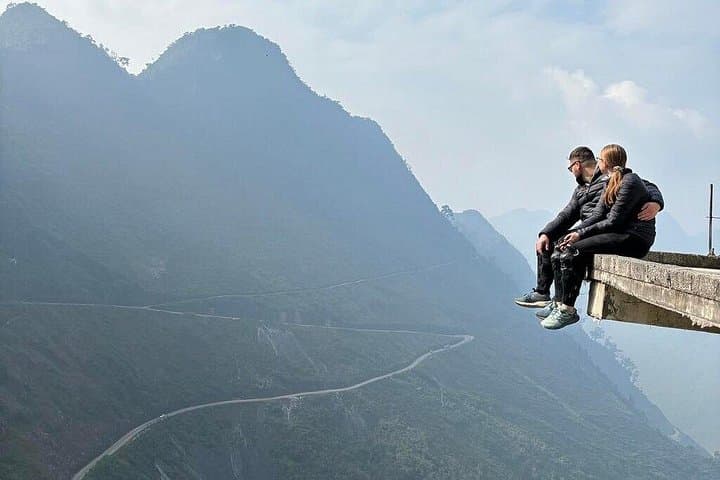
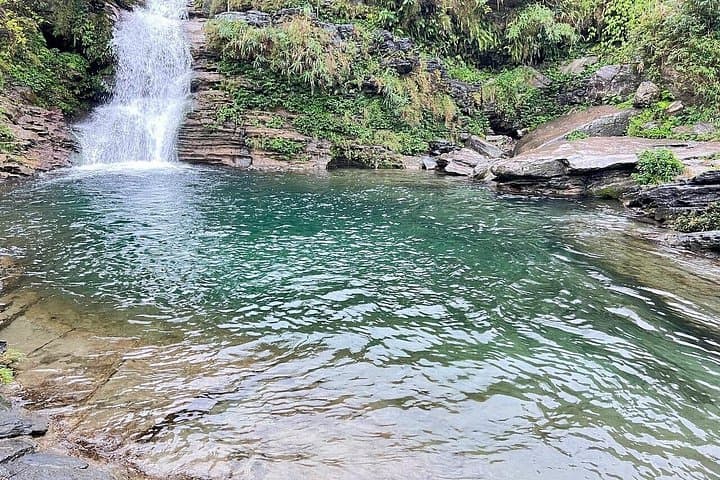
The sleeper bus coughs into Ha Giang before dawn and you step out into a thin, cool air that smells of wet earth and wood smoke. Riders and pillions set off on hairpin roads that climb and drop through limestone ribs; terraces unfurl on slopes and a turquoise river cuts a defiant line through the gorge below. The ride moves at the pace of the land—sharp, surprising, and panoramic.
Verified experiences and guided adventures in the surrounding area.
Operated by Authentic Travel HOI AN · Ha Giang, Ha Giang Province
The sleeper bus coughs into Ha Giang before dawn and you step out into a thin, cool air that smells of wet earth and wood smoke. Riders and pillions set off on hairpin roads that climb and drop through limestone ribs; terraces unfurl on slopes and a turquoise river cuts a defiant line through the gorge below. The ride moves at the pace of the land—sharp, surprising, and panoramic.
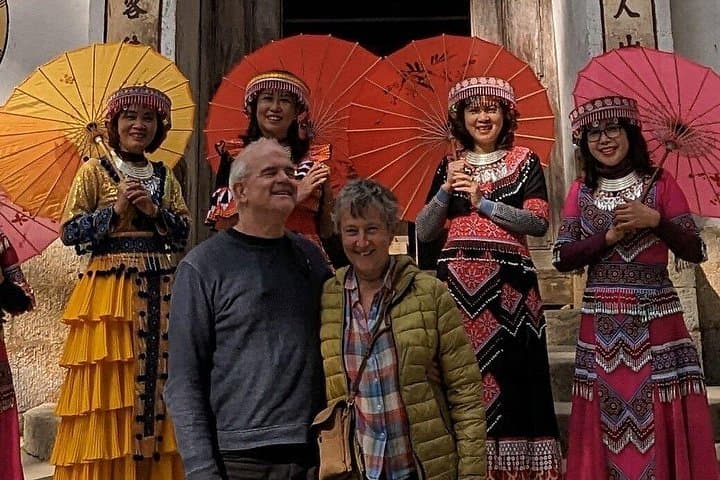
This loop crosses the Dong Van Karst Plateau, a UNESCO Global Geopark of weathered limestone, jagged plateaus and narrow passes. Ethnic H’mong, Tay and Lô Lô communities keep centuries-old villages and stilt houses; the Vuong (Hmong King) Palace and Lung Cu flagpole speak to regional history and identity. Geologically, cliffs here rise from folded karst that channels rain into steep ravines—hence the dramatic Ma Pi Leng and the slow patience of the Nho Que River, which pushes its way between stone walls.
Practically: the four-day circuit covers roughly 250–350 km of mountain roads with passes reaching ~1,500–2,000 m. Expect long seat time (4–7 hours on riding days), sudden weather shifts, and limited cell service. Bring layered outerwear, sturdy footwear for short walks, cash for village markets, and basic first-aid items. Sleep options alternate between simple hotels and homestays where feeding a family is part of the rhythm.
For riders, keep speeds moderate on blind curves, respect local customs at markets and temples, and plan daylight-only riding through the most exposed passes. When the wind comes down the valley it dares you to hurry—slow down, look up, and let the landscape dictate the day.
Most tours provide a motorbike and driver, so riding skills aren’t required; if you plan to ride yourself, basic experience on winding mountain roads is recommended.
Ma Pi Leng is the most dramatic, approaching 1,900–2,000 m in elevation and offering steep drop-offs over the Nho Que River gorge.
Homestays are simple but welcoming—expect basic bedding, shared bathrooms sometimes, and family-style meals that highlight local specialties.
Spring and autumn offer the most stable weather and clear views; avoid monsoon months for reduced landslide and road-wash risks.
Authentic Travel HOI AN operates guided outdoor trips and adventures with an emphasis on safety, stewardship, and memorable experiences.
The sleeper bus coughs into Ha Giang before dawn and you step out into a thin, cool air that smells of wet earth and wood smoke. Riders and pillions set off on hairpin roads that climb and drop through limestone ribs; terraces unfurl on slopes and a turquoise river cuts a defiant line through the gorge below. The ride moves at the pace of the land—sharp, surprising, and panoramic.
The sleeper bus coughs into Ha Giang before dawn and you step out into a thin, cool air that smells of wet earth and wood smoke. Riders and pillions set off on hairpin roads that climb and drop through limestone ribs; terraces unfurl on slopes and a turquoise river cuts a defiant line through the gorge below. The ride moves at the pace of the land—sharp, surprising, and panoramic.
This loop crosses the Dong Van Karst Plateau, a UNESCO Global Geopark of weathered limestone, jagged plateaus and narrow passes. Ethnic H’mong, Tay and Lô Lô communities keep centuries-old villages and stilt houses; the Vuong (Hmong King) Palace and Lung Cu flagpole speak to regional history and identity. Geologically, cliffs here rise from folded karst that channels rain into steep ravines—hence the dramatic Ma Pi Leng and the slow patience of the Nho Que River, which pushes its way between stone walls.
Practically: the four-day circuit covers roughly 250–350 km of mountain roads with passes reaching ~1,500–2,000 m. Expect long seat time (4–7 hours on riding days), sudden weather shifts, and limited cell service. Bring layered outerwear, sturdy footwear for short walks, cash for village markets, and basic first-aid items. Sleep options alternate between simple hotels and homestays where feeding a family is part of the rhythm.
For riders, keep speeds moderate on blind curves, respect local customs at markets and temples, and plan daylight-only riding through the most exposed passes. When the wind comes down the valley it dares you to hurry—slow down, look up, and let the landscape dictate the day.